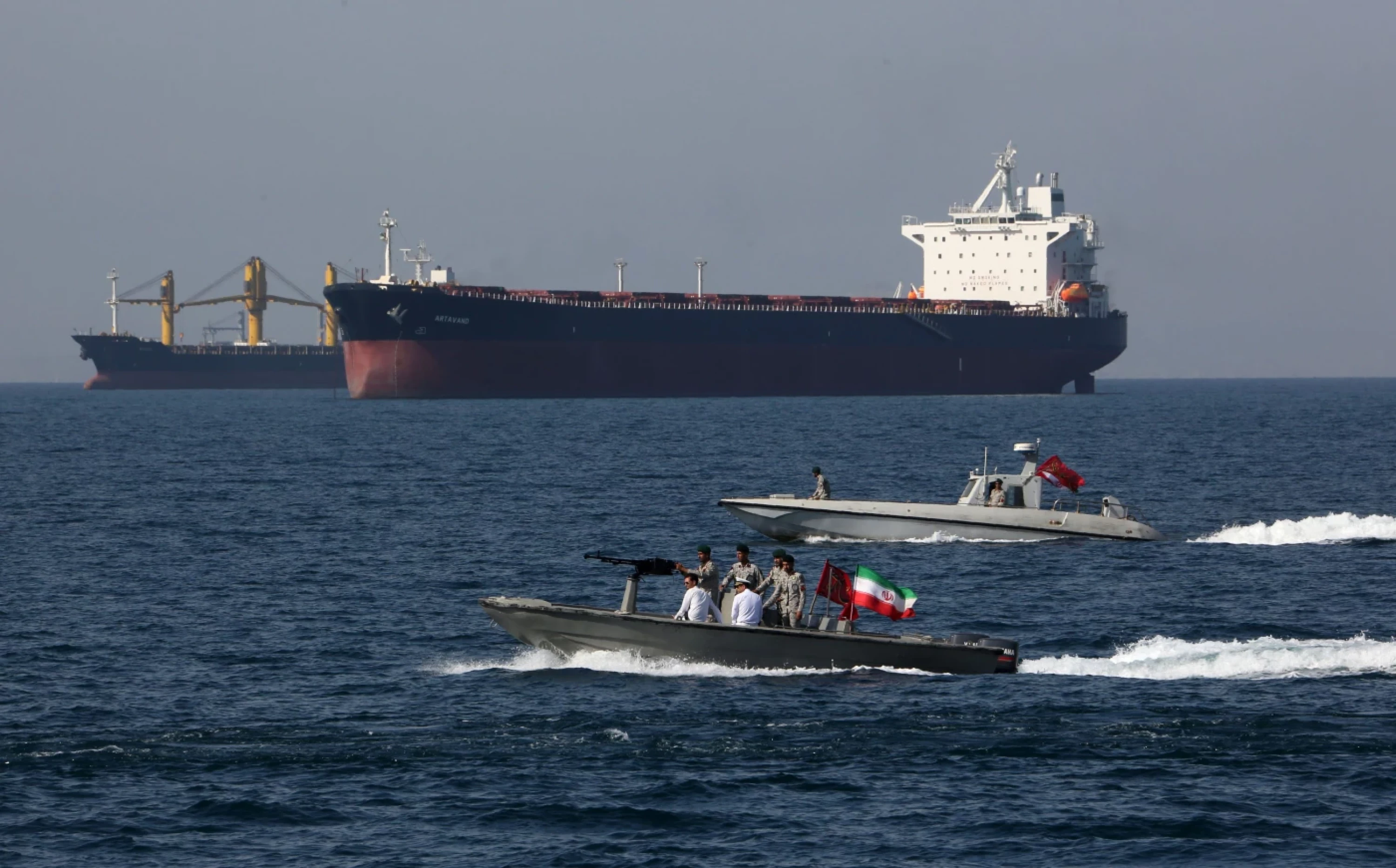
ERBIL, Kurdistan Region of Iraq – Iran on Monday said it intends to charge fees for protection and maritime services on ships transiting the Strait of Hormuz, while Washington expects toll-free transit through the strategic waterway.
In a presser, Iranian foreign ministry spokesman Esmaeil Baghaei asserted that “fees for navigation services, environmental protection, ship insurance and other necessary services will be charged” from ships travelling through the strait.
However, Baghaei confirmed that Iranian authorities “do not seek to collect transit tolls,” which has been a source of contention between the two sides, with US President Donald Trump previously having dubbed the tolling system “extortion” in international waters.
US Vice President JD Vance told CNBC that Washington expects that “the strait is going to be opened in a toll-free way for the long term,” addressing whether vessels can transit without having to pay a toll in the initial 60-day period or for the long term.
“That's the sort of thing that we're going to figure out in these technical negotiations,” he added.
The Strait of Hormuz is one of the world’s most important shipping routes and its most vital oil transit waterway. The strait has been a key element in the recent tensions and hostilities between Washington and Tehran.
Iran and the US reached a peace deal early Monday, Pakistani Prime Minister Shehbaz Sharif announced, adding that the accord, which seeks a permanent end to the conflict, will be signed in Geneva on Friday.
Baghaei added that “a final decision will be made either today or tomorrow” regarding the “manner and mechanism” of signing the memorandum of understanding (MoU) with the US.
“A trip to some regional and neighboring countries is on the agenda before the start and its details will be announced as soon as it is finalized,” Baghaei said in a press conference.
Following Sharif’s announcement, Trump confirmed that the deal with Iran is “now complete,” calling for the reopening of the Strait of Hormuz, the American president said he authorizes the removal of the US naval blockade on Iranian ports which has been in place since mid-April.
 Facebook
 LinkedIn
 Telegram
 X
X