ERBIL, Kurdistan Region of Iraq – A senior Iranian military official on Thursday reiterated Tehran’s control over the Strait of Hormuz and claimed that Iran had defeated the US, a day after President Donald Trump said Washington has “total control” over the waterway.
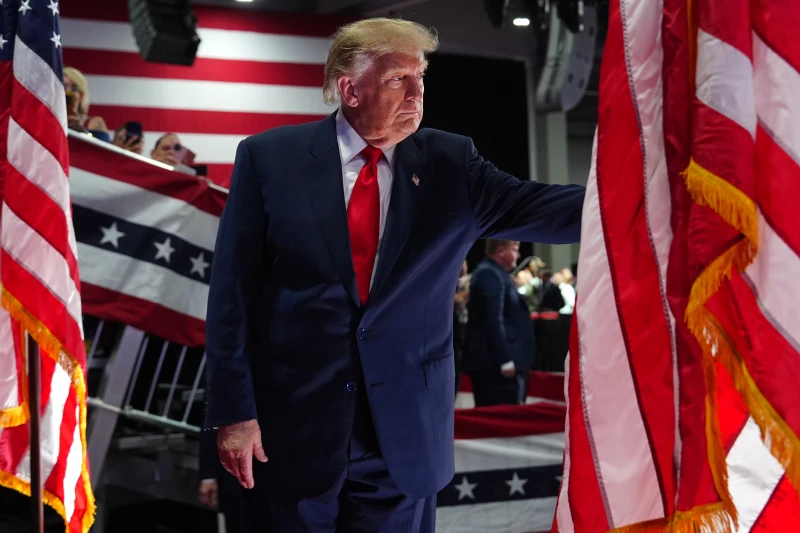
In remarks on Truth Social on Wednesday, Trump said that the US has “total control” over the strait, and described its naval blockade as a “WALL of STEEL.”
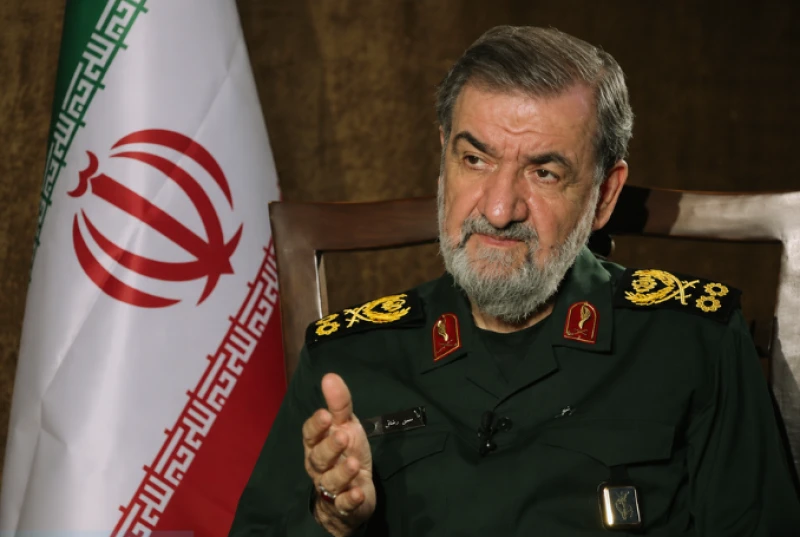
Hossein Taeb, a senior Islamic Revolutionary Guard Corps (IRGC) official and commander of the Basij paramilitary unit, said in remarks carried by state television that “the Strait of Hormuz is under the control and management of the Islamic Republic of Iran.”
“The Americans wanted to disrupt the rule of the revolution’s popularity in the region with a new war in the Strait of Hormuz, but once again, they were defeated by Iran—a country they claimed had neither a navy nor an air force,” he said.
The Trump administration has routinely claimed that Iranian naval and military capabilities have been “decimated” during the recent regional war, claims that Tehran has rejected, insisting that it remains ready to continue military confrontations against the US.
Meanwhile, the Persian Gulf Strait Authority (PGSA) said in a Wednesday statement that claims by US officials of the strait no longer being blocked by Tehran “do not change the reality,” noting, “The Strait of Hormuz remains blocked and will not be reopened until Iran’s conditions are accepted.”
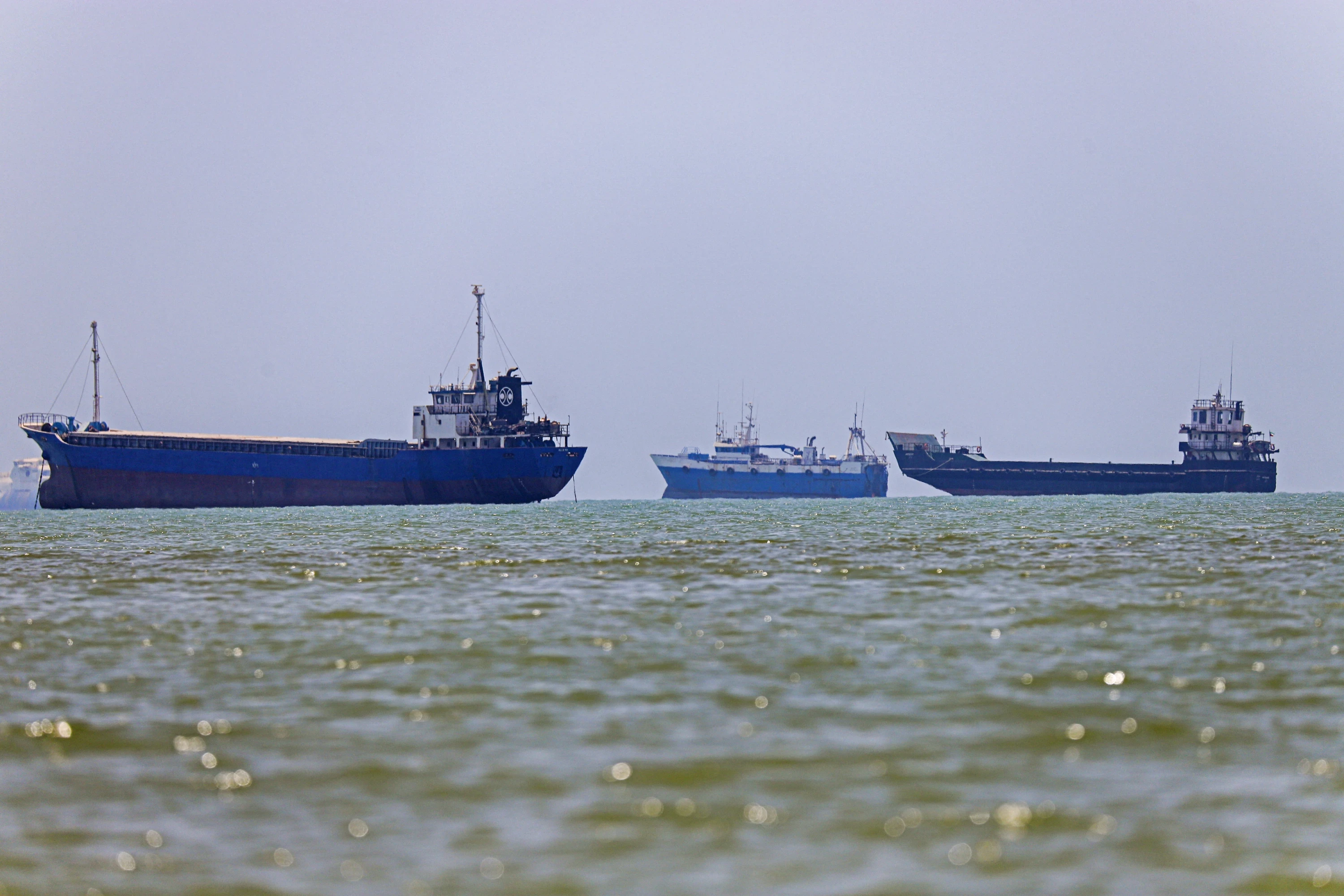
Tehran was able to successfully restrict the strait following the outbreak of a US-Israeli military campaign against Iran in February, followed by a counter-blockade by US forces. Despite reaching a memorandum of understanding (MoU) in June, the waterway remains blocked, disrupting one of the world’s most strategic energy routes.
Earlier in August, Trump stated that negotiations between Washington and Tehran are “moving along very nicely,” warning that Iran would get hit “really hard” if a deal is not reached to reopen the waterway.
However, Iranian Foreign Minister Abbas Araghchi said Sunday that no negotiations with the US are taking place, stressing that Tehran sees “no possibility” of resuming talks until Washington ends its “violations” of a joint understanding and makes amends.
Trump’s words come as Iran and Oman - both littoral states of the Strait of Hormuz - have reportedly made progress in bilateral talks seeking to establish a joint management system for the strategic waterway that will likely spell an end to free transit.
The warring parties reached a MoU on June 17 to end hostilities and resume negotiations for 60 days. A key Washington condition in the MoU was free navigation in the strait.
The deal fell apart only 21 days later after the US Central Command (CENTCOM) said Iranian forces had attacked a Cyprus-flagged ship in the Strait of Hormuz.
 Facebook
 LinkedIn
 Telegram
 X
X