
ERBIL, Kurdistan Region of Iraq - The commander-in-chief of Iran's Islamic Revolutionary Guard Corps (IRGC) said Friday that Iranian forces control the waters at least 500 kilometers beyond the Persian Gulf and Strait of Hormuz.
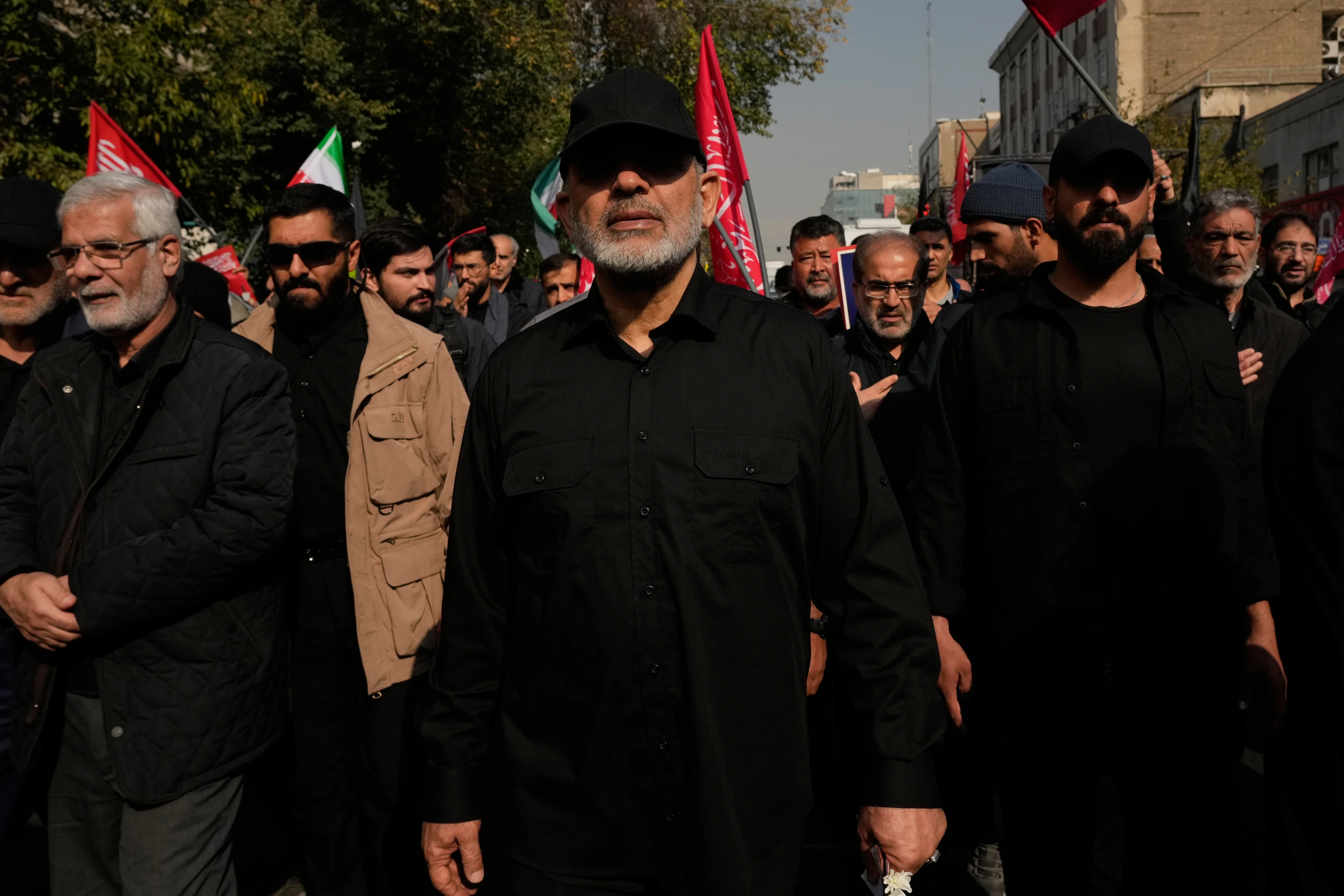
Speaking to a conference of Basij members, a volunteer paramilitary force under the auspices of the IRGC, Ahmad Vahdi said that "today, not only the Persian Gulf and the Strait of Hormuz, but also an area extending at least 500 kilometers, and even further, is under the control of the Iranian Navy."
"The open seas, located hundreds of kilometers away, are now within their reach. Why don't enemy ships dare to venture more than 500-600 kilometers? Because the power of the Navy's forces, as well as the power of the commanders and forces of the aerospace sector, is evident there," he continued, as cited by IRGC-affiliated media.
Vahdi, who as appointed as chief of the IRGC in August after his predecessor, Mohammad Pakpour, was killed on the opening day of the US-Israeli war on Iran in February, told attendees that "revenge is your right, it is our right, retribution is our right."
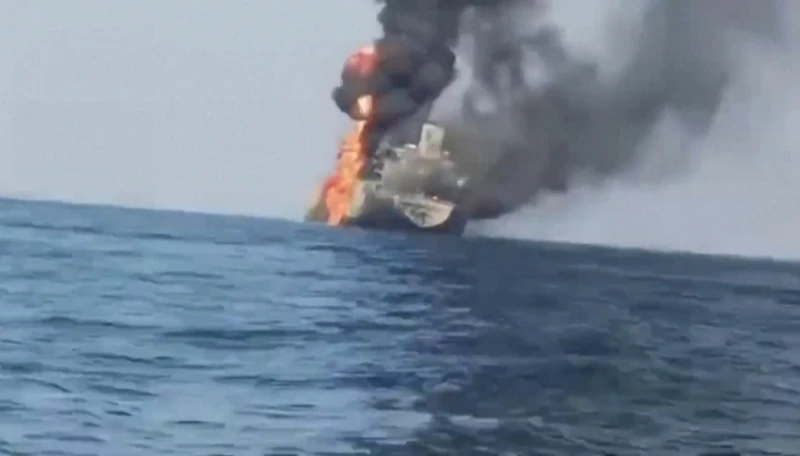
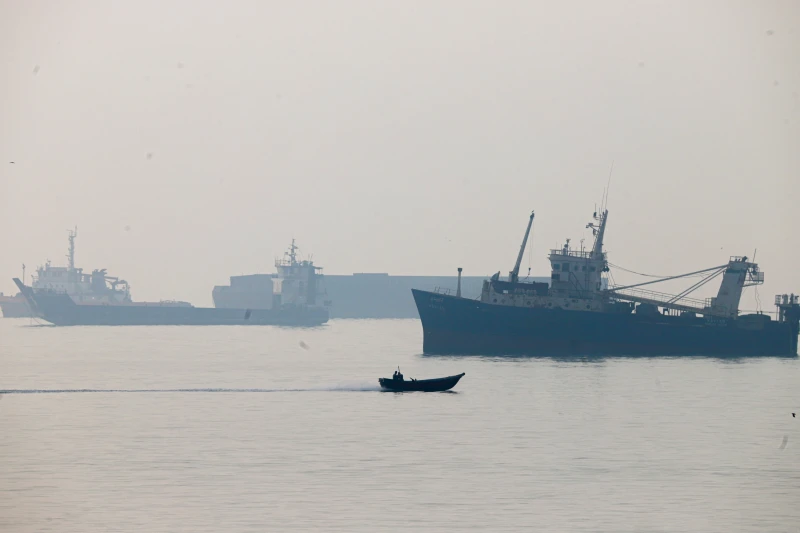
His comments come amid a string of incidents in the Strait of Hormuz that have seen commercial tankers regularly attacked, with Tehran claiming they have fallen prey to naval mines laid along transit routes through the waterway that have not been authorized by the Iranian government.
On Thursday, the IRGC claimed that two supertankers carrying four million barrels of oil were struck by naval mines, with another vessel later in the day meeting a similar fate.
US Central Command (CENTCOM) has repeatedly denied the veracity of such claims, insisting that its forces have successfully cleared the Strait of ordnance following extensive clearance operations.
Tehran moved to restrict passage through the strait following the outbreak of the US-Israeli military campaign against Iran in February. US forces later imposed a counter-blockade.
"The world will no longer be a safe place for the murderers and criminals behind the recent crimes in Iran; they will not sleep soundly, and they must tremble for the crimes they have committed," Vahidi asserted.
Iran launched multiple attacks on US military sites in Kuwait and Bahrain over the past week, coming amid reports that US forces struck Iranian targets on Qeshm Island in the Strait.
Little progress has been made in recent months in reaching a peace agreement between Washington and Tehran, with the US and Israel reportedly having mulled the prospect of a renewed military campaign.
However, US President Donald Trump told Reuters on Thursday that he will discuss the possibility of further military action "after the beginning of the year," claiming his administration has "time" and noting, "We'll see what happens after January 1."
 Facebook
 LinkedIn
 Telegram
 X