ERBIL, Kurdistan Region of Iraq – Iran’s deputy foreign minister said on Tuesday that Washington’s naval blockade of the strategic Strait of Hormuz had been lifted “to some extent,” ahead of a signing ceremony between the US and Iran in Switzerland to end the Middle East war.
Since the start of US-Iran peace talks in early April, the strategic Strait of Hormuz waterway has remained a key point of contention between the two sides, with tensions escalating amid exchanges of fire and accusations that both Tehran and Washington imposed blockades on the waterway.
Iran’s Deputy Foreign Minister Majid Takht-Ravanchi welcomed the developments but highlighted several issues Tehran has with the MoU, including the “lifting of the blockade” on the Strait of Hormuz, state broadcaster IRIB reported.
“Lifting the blockade was our emphasis from the beginning,” Takht-Ravanchi said, although stressing that “before the signing [of the MoU], the blockade was lifted to some extent.”
Islamabad announced early Monday that Tehran and Washington signed the first phase of a memorandum of understanding (MoU) aimed at ending the conflict, with the second and final phase set to be signed in Geneva on Friday.
The understanding follows an April ceasefire, where the two warring sides agreed to halt direct military hostilities for the most part, while exchanging several proposals to permanently end the war.
On April 13, the US military announced it would begin blocking maritime traffic to Iranian ports after peace talks in Islamabad failed to produce a lasting agreement. Iran also asserted control over the waterway in response.
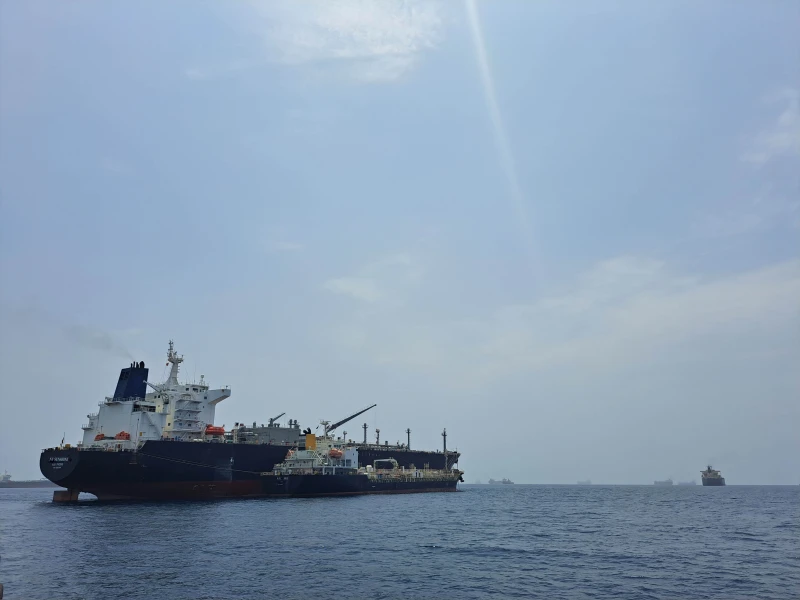
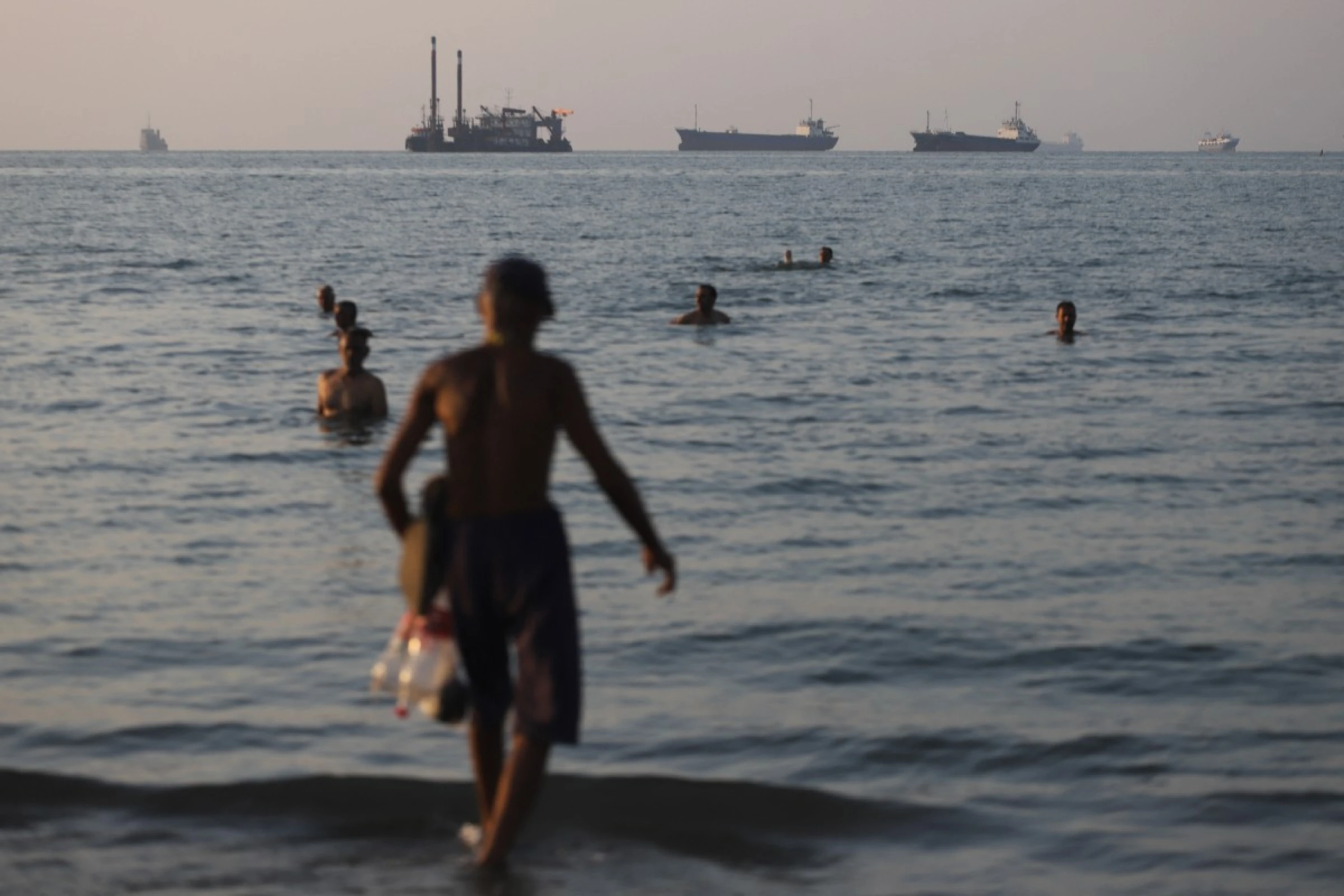
The Strait of Hormuz is one of the world’s most important shipping routes and a key oil transit chokepoint and has frequently been a site of confrontations between Iran’s Islamic Revolutionary Guard Corps and the US Navy.
On Monday, Tehran also announced that it intends to charge fees for protection and maritime services on ships transiting the Strait of Hormuz, although Washington has expressed expectations of toll-free transit through the strategic waterway.
Iran established the Persian Gulf Strait Authority in May to manage a tolling mechanism, requiring vessels to pay transit fees in Iranian currency at roughly $1 per barrel of oil in their cargo.
Iranian Foreign Minister Abbas Araghchi confirmed on Tuesday that Tehran and Washington are set to begin a new stage of negotiations on Friday towards a final agreement.
Lebanon has been a source of contention in the negotiating process, with Iranian authorities insisting that any agreement to end the conflict must include a halt to Israeli attacks on Lebanon and Israeli authorities firmly standing against the prospect.
 Facebook
 LinkedIn
 Telegram
 X
X