ERBIL, Kurdistan Region of Iraq - US President Donald Trump and Iranian President Masoud Pezeshkian remotely signed an agreement early Thursday to end the conflict between their countries and reopen the Strait of Hormuz.
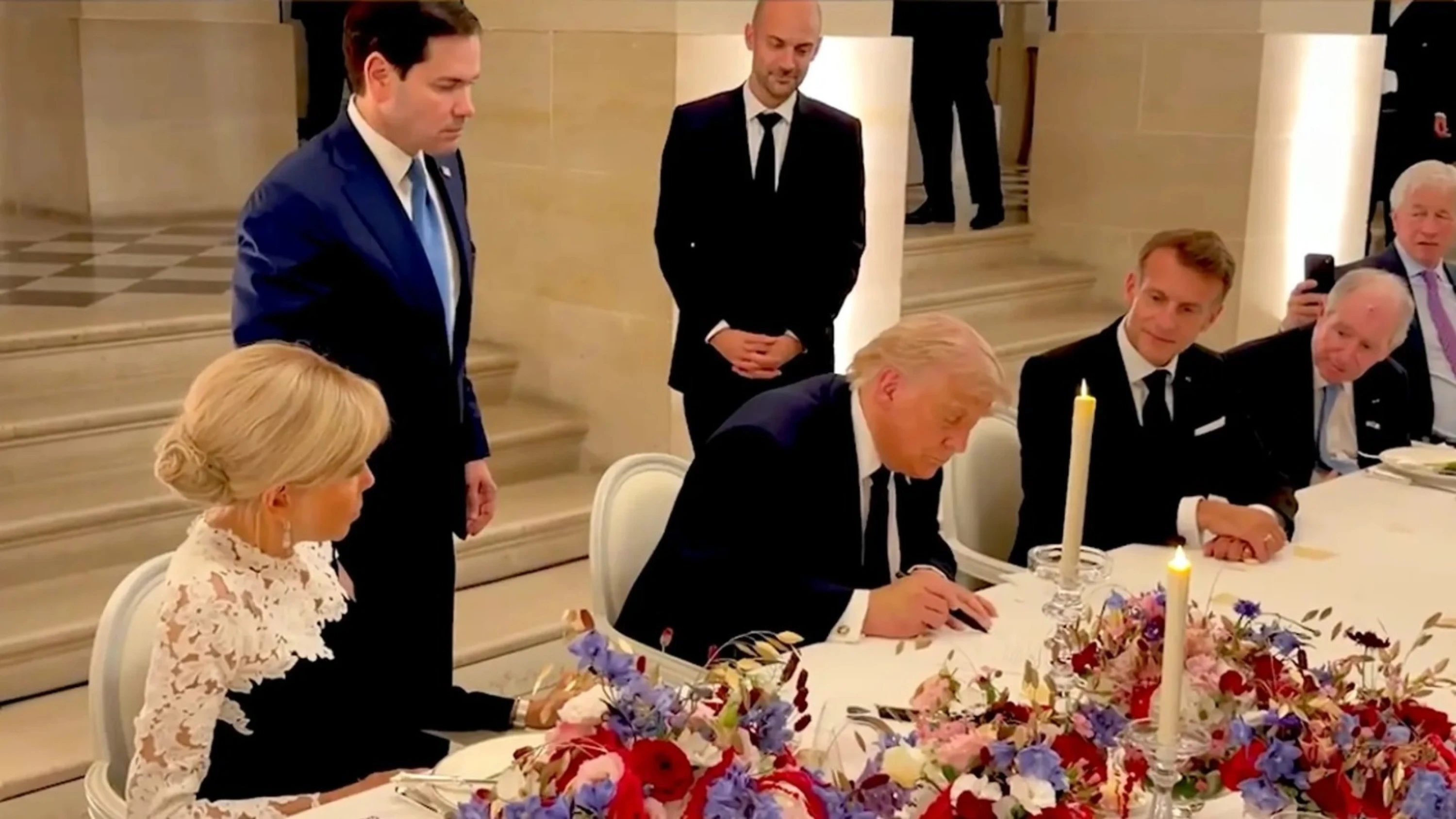
Trump signed the agreement while attending a state dinner with French President Emmanuel Macron at the Palace of Versailles following the G7 summit. Speaking to reporters, Trump said he had "just signed it,” while the White House released video footage of the signing.
Macron, who applauded alongside other leaders as Trump signed the agreement, later wrote on X that “This agreement paves the way for lasting peace and allows the reopening of the Strait of Hormuz.”
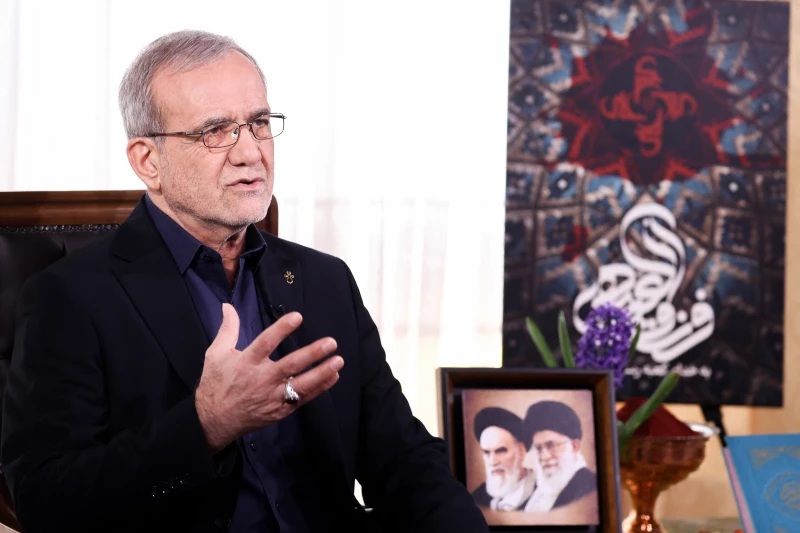
Pezeshkian also signed the memorandum of understanding (MoU) remotely, according to Iranian state media, which cited foreign ministry spokesperson Esmaeil Baghaei as saying it "was finalised with the signatures of the presidents".
The 14-point agreement had initially been scheduled to be signed Friday in Geneva. However, Baghaei said that “after consultations,” both sides decided “it is better” for the signing to take place “without the need for physical presence.”
The announcement came just hours after Baghaei said Tehran was considering the possibility of an in-person meeting between Pezeshkian and Trump after the US president said he “might” attend the signing ceremony in Geneva.
Under the agreement, both sides commit to a total ceasefire across all theaters, including Lebanon, refrain from violating each other's sovereignty, and seek to negotiate a final settlement within 60 days.
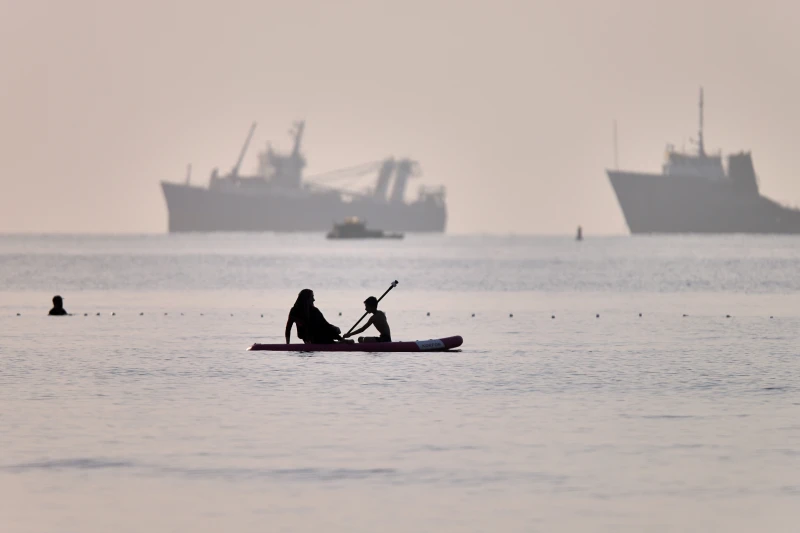
The agreement also provides for the immediate lifting of the US naval blockade upon signing, while Iran will allow commercial vessels to transit the Strait of Hormuz free of charge for 60 days. The waterway normally carries around one-fifth of the world's oil shipments.
In the days leading up to the signing, Iran had already resumed crude exports through three tankers, according to shipping trackers.
The deal further provides for a $300 billion economic rehabilitation package for Iran, the lifting of all US sanctions, the unfreezing of Iranian assets, and US authorization for Iran to export its oil and receive the necessary licenses. In return, Iran commits not to pursue a nuclear weapon.
Pakistani Prime Minister Shehbaz Sharif, whose country played a key mediating role in the negotiations, wrote on X that “As a first step, Islamic Republic of Iran will instantly reopen the Strait of Hormuz and the United States of America will immediately lift the naval blockade.”
 Facebook
 LinkedIn
 Telegram
 X
X