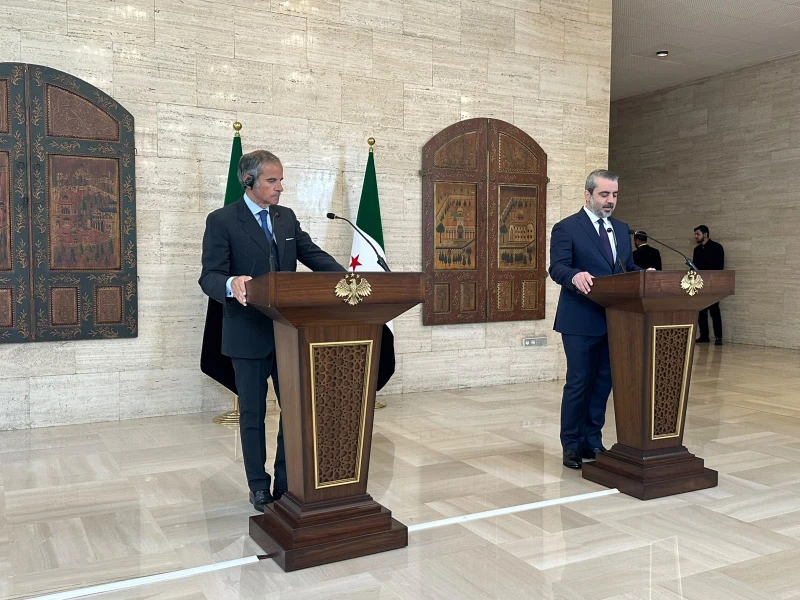
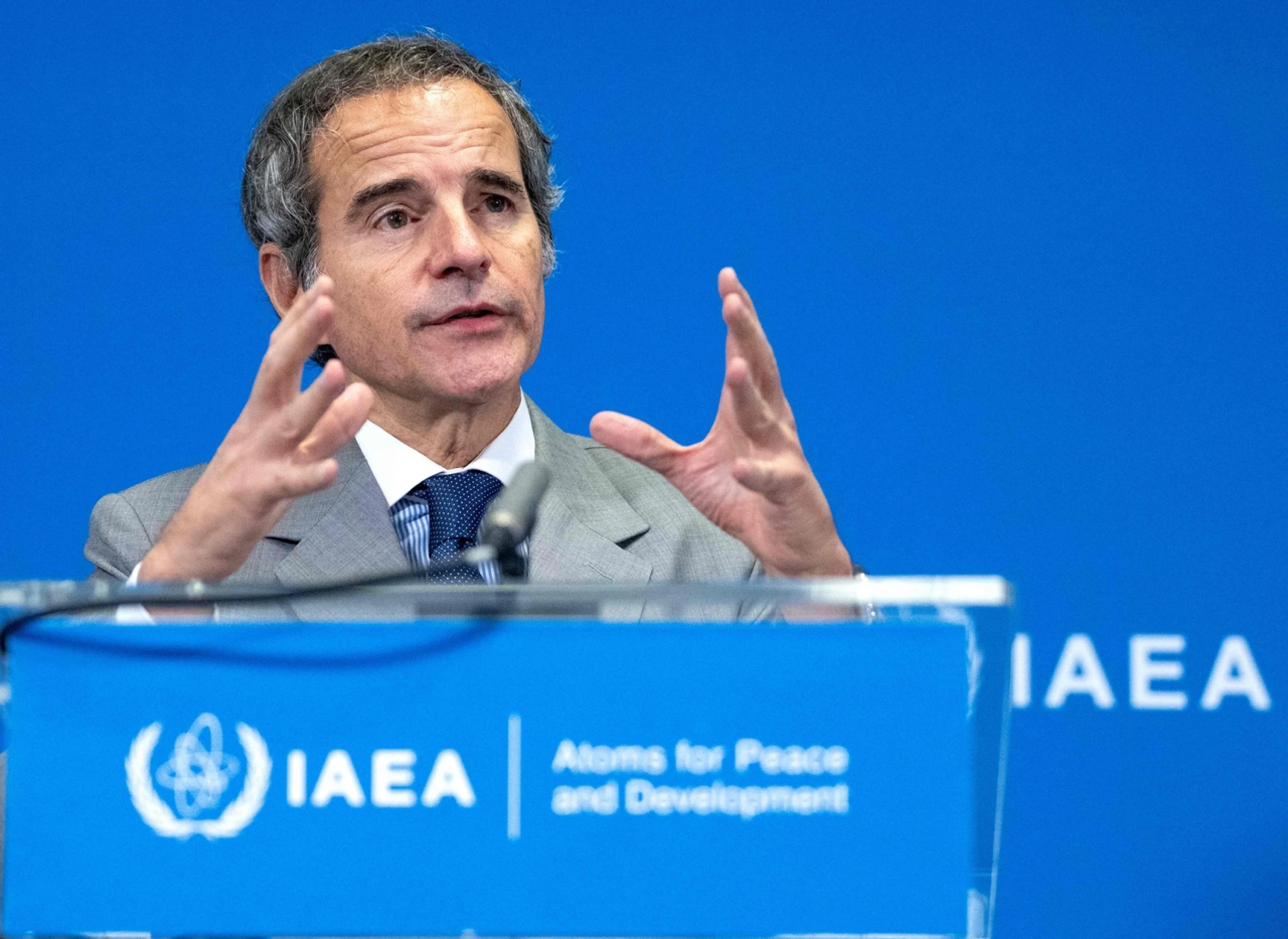
ERBIL, Kurdistan Region of Iraq – The head of the United Nations' nuclear watchdog, Rafael Grossi, said that the agency will participate in Friday's US-Iran meeting in Geneva, where it will discuss the technical aspects of implementing the recently signed agreement with both sides.
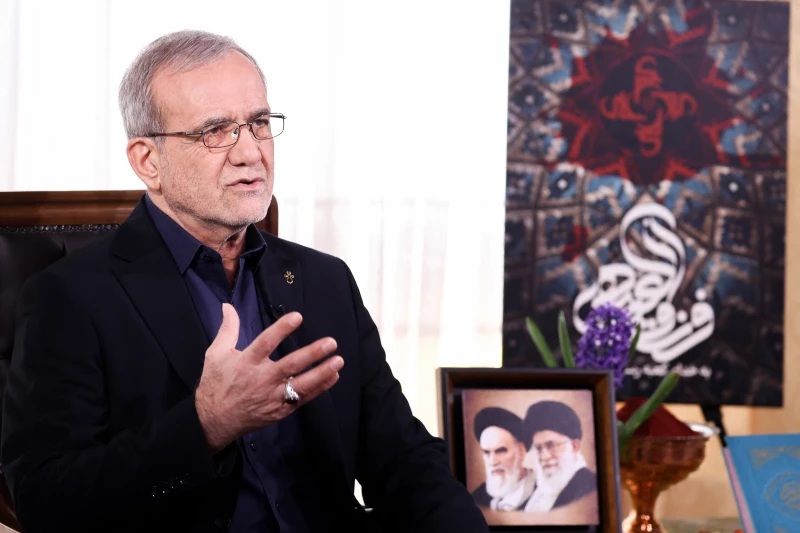
US President Donald Trump and his Iranian counterpart, Masoud Pezeshkian, on Thursday remotely signed an agreement to end the conflict between their countries, ahead of a ceremony initially planned to take place in Geneva on Friday.
“We will be there,” Grossi said on Thursday, when asked by reporters whether his International Atomic Energy Agency (IAEA) would attend the meeting.
The Swiss foreign ministry later confirmed that the scheduled US-Iran meeting in Geneva will proceed as planned.
“Currently, the United States and Iran, along with mediators Pakistan and Qatar, are still scheduled to meet tomorrow at the Burgenstock Hotel to begin initial negotiations on implementing the agreement,” the ministry said in a statement.
Under the agreement signed by the US and Iran, both sides commit to a total ceasefire across all theaters, refrain from violating each other's sovereignty, and seek to negotiate a final settlement within 60 days.
In return for guarantees including the lifting of the US naval blockade and the release of frozen Iranian assets, Tehran has committed not to pursue a nuclear weapon.
Grossi said “the IAEA will have a role there, and I think everything will be determined,” depending on the outcome of the talks between the two sides.
He added that the agency has facilitated discussions between Washington and Tehran for years, saying “so we know each other well.”
Halting Iran's nuclear program was one of Washington's central demands for ending the conflict and a key justification cited by the US for launching its military operation in February. Iranian leaders have repeatedly rejected that demand, insisting on the country's right to "peaceful" uranium enrichment.
Trump has repeatedly said that Iran will not have nuclear weapons.
 Facebook
 LinkedIn
 Telegram
 X
X