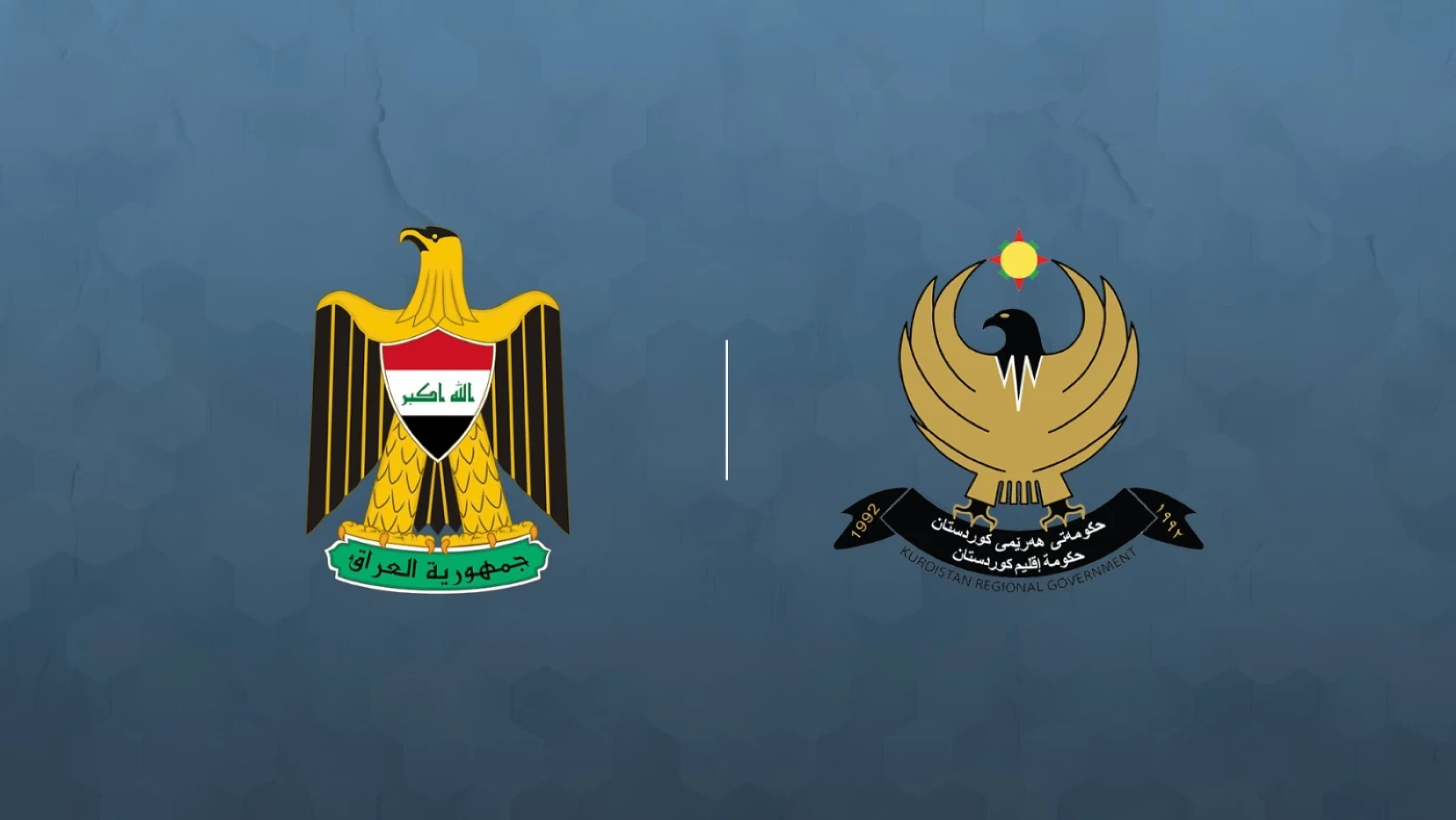
ERBIL, Kurdistan Region of Iraq - Representatives from the Kurdistan Regional Government (KRG) and the Iraqi federal government on Thursday reached a technical agreement on the implementation of the ASYCUDA customs system at border crossing points in the Kurdistan Region.
Standing for the Automated System for Customs Data, ASYCUDA is a wholly digitalized border control system whose software was developed by the UN Conference on Trade and Development (UNCTAD).
According to its website, the mechanism "handles manifests and customs declarations, along with accounting, transit and suspense procedures. It also generates trade data that can be used for statistical economic analysis."
The accord came after the KRG delegation visited Baghdad to discuss the new mechanism, which has long been a source of disagreement between the two governments. While the federal government has already adopted the system and has pressured Erbil to follow suit, Kurdish authorities have requested more time.
"A technical agreement has been reached on ASYCUDA and now companies and industrial development departments can register in the system," a member of the Kurdish delegation told The New Region, adding that certain issues remain outstanding and that the draft will have to be voted on by the federal ministerial council for economic affairs.
Iraqi Finance Minister Faleh al-Sari praised the reaching of a draft, saying in a statement that "unifying customs systems with the Kurdistan Region is a strategic step aimed at increasing revenues, strengthening oversight and reducing smuggling."
"A joint protocol was signed that included a set of recommendations and executive procedures related to the application of the system in the customs centers affiliated with the Kurdistan Region, to be submitted to the Ministerial Council for Economy to complete the necessary procedural steps."
The implementation of the system will allow for greater coordination relating to border transit within Iraq and theoretically will lessen the need for internal border checkpoints.
However, many of the remaining points of contention will have to be ironed out before any effective implementation in the Kurdistan Region.
The most notable outstanding issue is Baghdad’s demand that 100 percent of customs and border revenues go to Baghdad’s treasury, after which 50 percent would be sent back to Erbil as the Region’s share. However, the Kurdistan Region has not agreed to this request so far.
 Facebook
 LinkedIn
 Telegram
 X
X