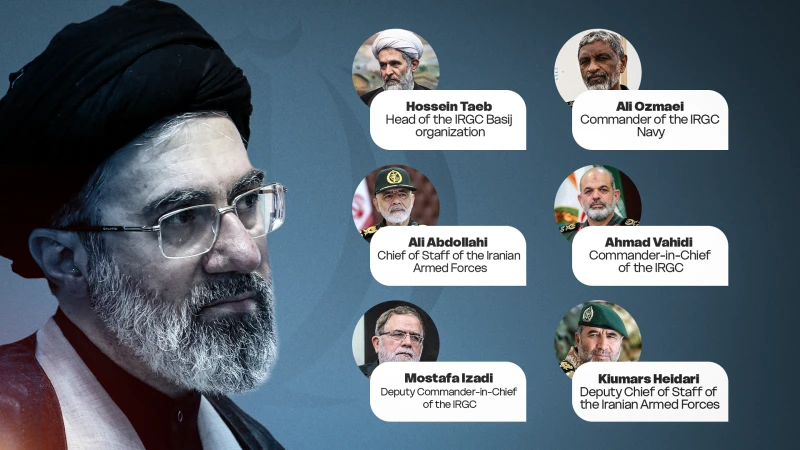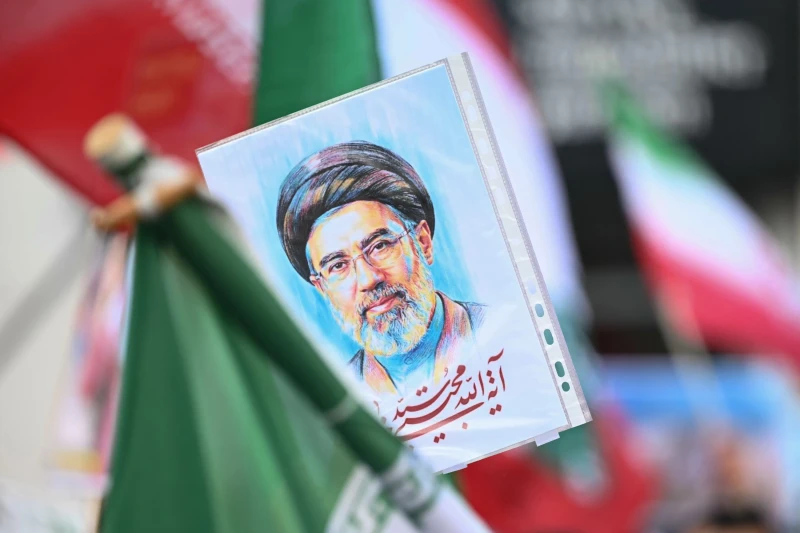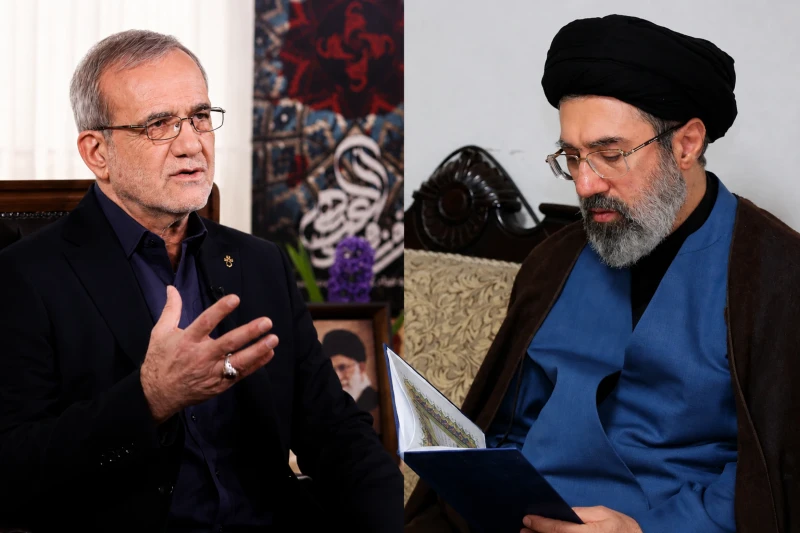
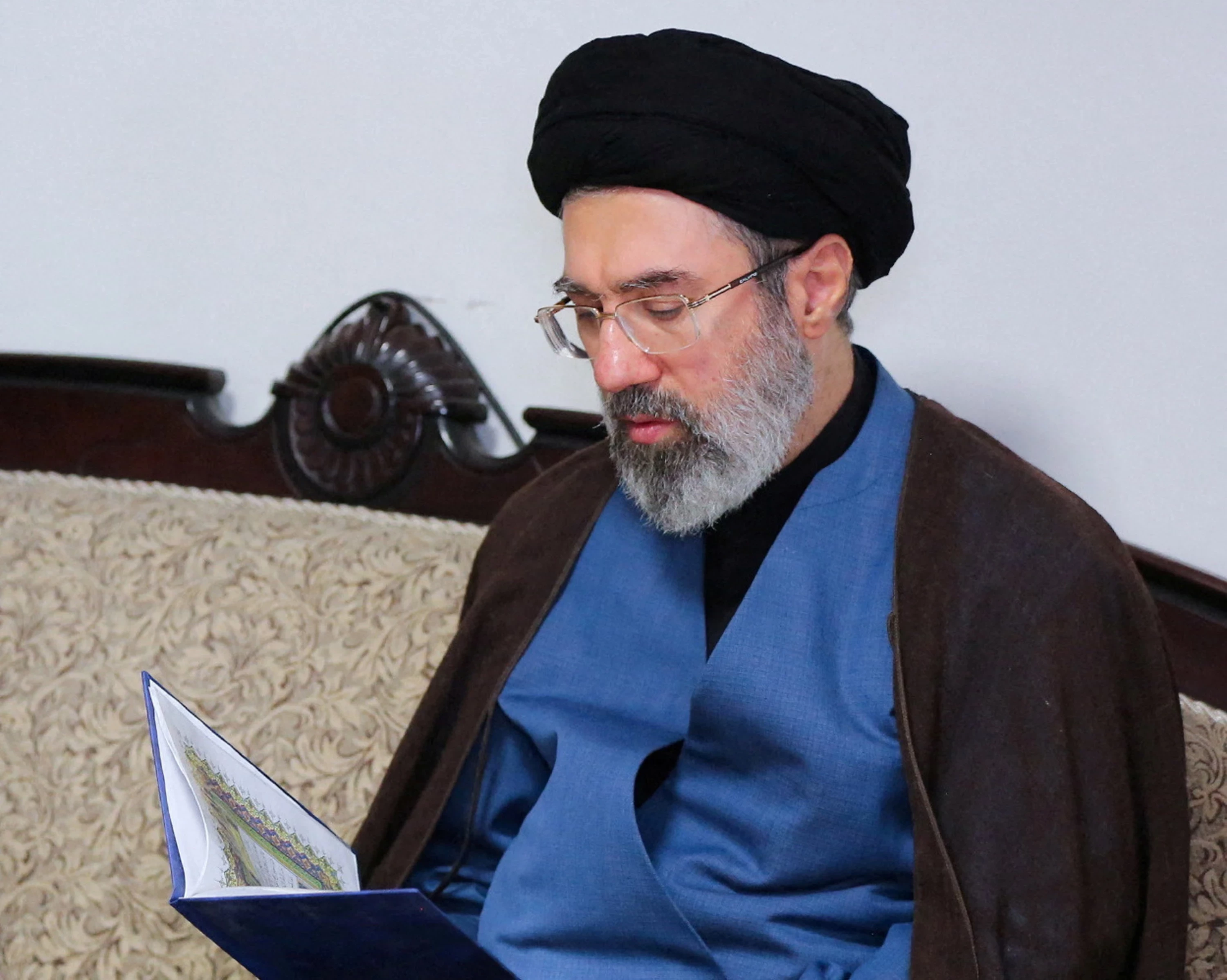
ERBIL, Kurdistan Region of Iraq - Iranian Supreme Leader Mojtaba Khamenei said Thursday that he approved the peace agreement with the US despite having a "different view" on it than other Iranian leaders advocating for the accord and implied that President Masoud Pezeshkian was instrumental in securing his backing.
US President Donald Trump and Pezeshkian remotely signed an agreement early Thursday to end the conflict between their countries and reopen the Strait of Hormuz, coming after months of conflict and failed peace overtures between the rival nations.
Khamenei, who assumed the title of Supreme Leader after his father, Ayatollah Ali Khamenei, was killed in a US-Israeli strikes on the first day of the renewed hostilities in late February, issued a much anticipated statement on the matter.
"On the path to reaching this stage, the officials, out of concern and goodwill, made many efforts, and of course, it was the President of the United States who, out of desperation, used various leverage for this matter," he said in a written document.
Khamenei has yet to appear in public since the strike that killed his father and wife, leading to speculation that he was grievously injured in the blast.
Iranian Supreme Leader Mojtaba Khamenei on Thursday issued a statement in which he said that he approved the peace deal with the US despite the face that he had "a different view" than other Iranian leaders who pushed for its backing pic.twitter.com/KvEOI61zSt
— The New Region (@thenewregion) June 18, 2026
"In principle, I had a different view, but out of the commitment that the honorable [Iranian] President, as the head of the Supreme National Security Council, gave me on behalf of himself and other members in safeguarding the rights of the Iranian nation and the resistance front, and explicitly accepted responsibility for it, I granted permission," Khamenei continued.
"[Pezeshkian] also stated that if the American side wants to be greedy, they will not accept it."
The 14-point agreement had initially been scheduled to be signed Friday in Geneva. However, the Iranian foreign ministry said that “after consultations,” both sides decided “it is better” for the signing to take place “without the need for physical presence.”
Under the agreement, both sides commit to a total ceasefire across all theaters, including Lebanon, refrain from violating each other's sovereignty, and seek to negotiate a final settlement within 60 days.
The agreement also provides for the immediate lifting of the US naval blockade upon signing, while Iran will allow commercial vessels to transit the Strait of Hormuz free of charge for 60 days. The waterway normally carries around one-fifth of the world's oil shipments.
The supreme leader touched on future talks, which are set to oversee the memorandum of understanding's implementation, saying that "it is obvious that the future face-to-face negotiations will not mean acceptance of the enemy's opinion."
The two sides were set to meet in Switzerland on Friday, however it is unclear if the planned in-person talks will proceed, with Pakistani Prime Minister Shehbaz Sharif, a key interlocutor, announcing on Thursday that he will be postponing his trip to the European country.
 Facebook
 LinkedIn
 Telegram
 X
X