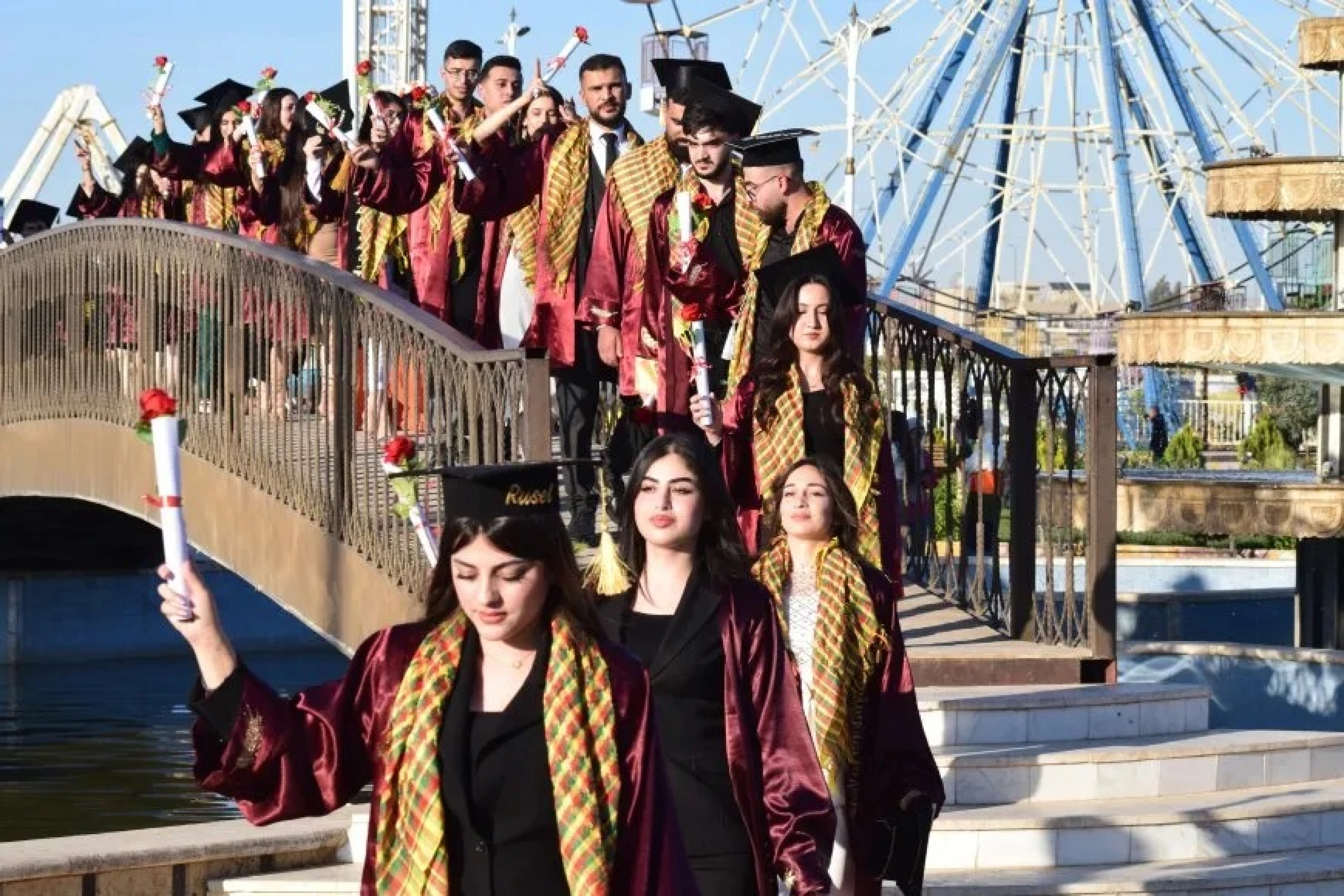
ERBIL, Kurdistan Region of Iraq – Syria’s education ministry announced Friday the start of the process to recognize certificates and integrate students and staff from the Kurdish-led administration in Rojava (northeast Syria) into state institutions, marking the return to a unified nationwide curriculum for the first time since 2011.
“Within the framework of the national efforts to unify the national education system…and in addition to the integration process announced by the Syrian government, the Ministry of Education continues to implement the educational integration plan in the Eastern provinces,” read a statement from the Syrian education minister Mohammad Abdul Rahman Turko.
“Certificates previously granted by the Autonomous Administration [Rojava] will be recognized in accordance with the procedures and instructions adopted by the Ministry and in force in this regard,” it added.
The move comes as part of the January agreement reached between Rojava and Damascus for a phased integration process of the Kurdish-led forces into the Syrian state following weeks of clashes.
The ministerial decree also allowed students who had been studying under the Rojava administration “to apply for the general certificate examinations” for the 2026 and 2027 academic years.
It said the decree issued “necessary instructions” for the adoption of certificates previously granted in Rojava and to further “ensure their full integration into the national education system.”
The move marks the return of Rojava’s educational system into Syrian state institutions since 2011, when Kurdish authorities introduced a separate curriculum that replaced the state’s Baathist-era syllabus.
So far, 38,000 Rojava-based teachers who previously worked under the Kurdish-led administration have been integrated into state institutions, the ministry said.
In January, Syrian interim President Ahmed al-Sharaa issued a decree affirming the linguistic and political rights of the Kurds, but concerns were raised as ruling Rojava parties said it was merely tokenistic and did not offer sufficient recognition of Kurdish heritage and culture.
This discrepancy was particularly notable in the education system, whereby students who had studied in their mother tongue during the decade of autonomous Kurdish rule engendered by the Syrian civil war have been restricted to merely two hours of optional Kurdish language electives per week under Damascus' new provisions, with the remainder of the curriculum being wholly in Arabic.
Under Baath Party rule, Syria’s education system followed an Arabic-only curriculum, with Kurdish not recognized as a language of instruction.
Kurdish history, culture, and literature were largely excluded from textbooks, while Kurdish figures and contributions received limited recognition. The Syrian state historically did not permit Kurdish-language education.
Despite initiatives from the new Syrian government, several incidents have sparked protests among Kurds in Rojava, including the removal of the Kurdish language from government office signs.
Similar concerns, such as limited Kurdish women’s representation and the absence of Kurdish party flags in official meetings, have increased public unease.
 Facebook
 LinkedIn
 Telegram
 X
X