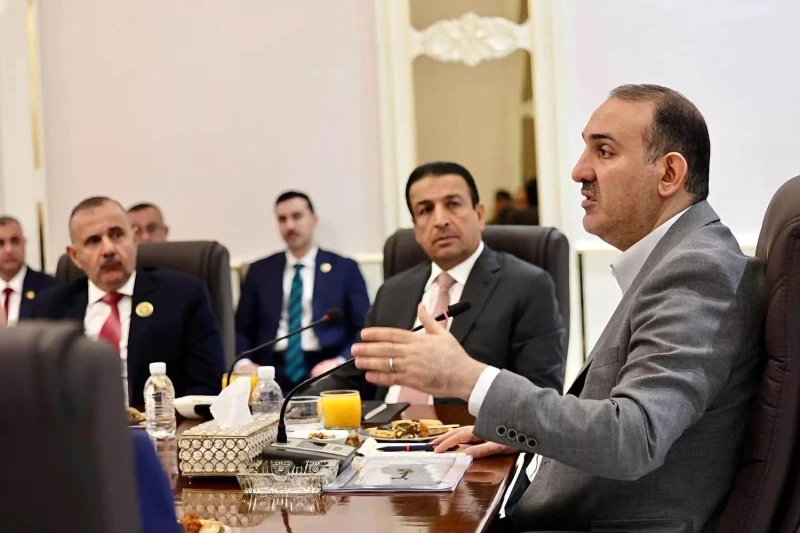
ERBIL, Kurdistan Region of Iraq - A financial advisor to Iraqi Prime Minister Ali al-Zaidi on Saturday said that unifying the customs systems between the federal government and the Kurdistan Region will strengthen Iraq's economic reform program and improve the management of non-oil revenues, coming after Baghdad and Erbil reached a technical agreement on the implementation of the ASYCUDA apparatus.
“The importance of unifying customs systems lies in reducing cases of customs evasion resulting from differences in procedures and tariffs between border crossings,” Madher Mohammed Salih told Iraqi state media.
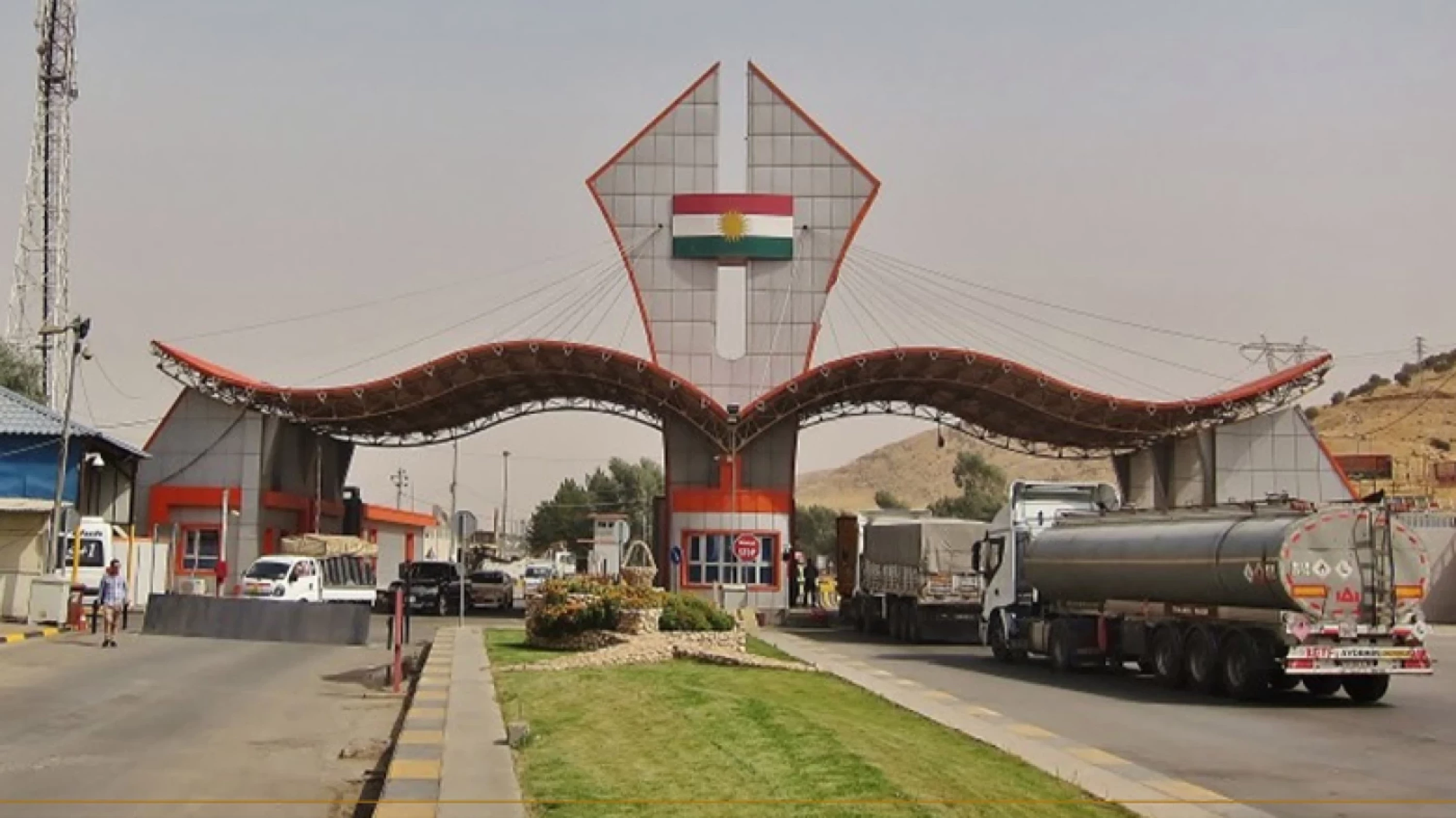
The comments come days after representatives from the Kurdistan Regional Government (KRG) and the Iraqi federal government reached a technical agreement on implementing the Automated System for Customs Data (ASYCUDA) at border crossings in the Kurdistan Region.
The two sides agreed on a draft mechanism during talks in Baghdad, though several issues remain unresolved, and the agreement still requires approval by Iraq's Ministerial Council for Economy.
Salih added that the measure would also improve the “collection of trade data by creating unified databases for imports and exports,” providing policymakers with more accurate information and supporting more effective economic and financial policies.
He said implementation would require “adopting unified electronic systems for customs collection and clearance” and linking border crossings to a central database capable of tracking goods in real time, alongside greater coordination between federal and regional authorities.
The reform would help increase non-oil revenues by expanding the customs base, reducing financial leakages, and closing loopholes that have allowed inconsistencies in fees and procedures, he added.
“Its effects extend in the medium term to improving the business environment, enhancing investor confidence and reinforcing the principle of the unity of the Iraqi market,” the financial adivsor concluded.
ASYCUDA is a wholly digitalized border control system whose software was developed by the UN Conference on Trade and Development (UNCTAD).
According to its website, the mechanism "handles manifests and customs declarations, along with accounting, transit and suspense procedures. It also generates trade data that can be used for statistical economic analysis."
The federal government have already adopted the system, with Erbil having previously requested more time before agreeing to implement it on Thursday should the technical agreement be approved.
One of the main outstanding disputes is Baghdad's proposal that all customs revenues be transferred to the federal treasury before a portion is returned to the Kurdistan Region, a plan Erbil has yet to endorse, wishing instead that the Region will receive the full sum before depositing the adequate amount to the Iraqi exchequer.
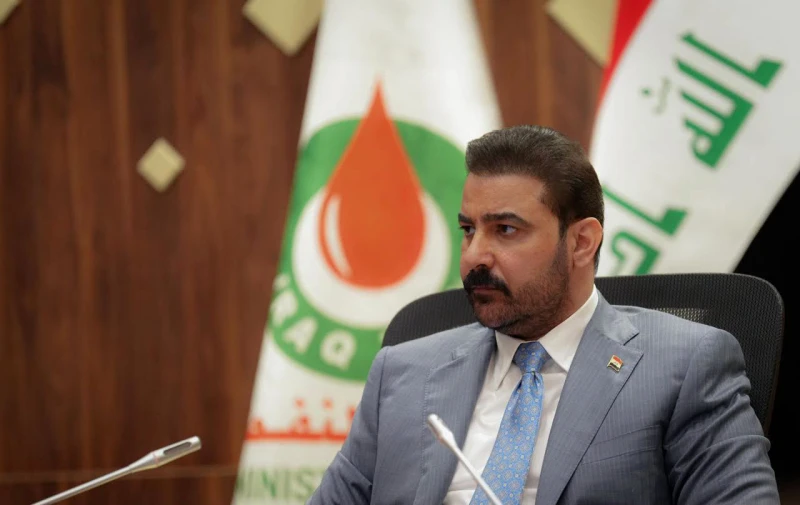
Iraqi Finance Minister Faleh al-Sari previously described the unification of customs systems with the Kurdistan Region as “a strategic step aimed at increasing revenues, strengthening oversight, and reducing smuggling.”
 Facebook
 LinkedIn
 Telegram
 X
X