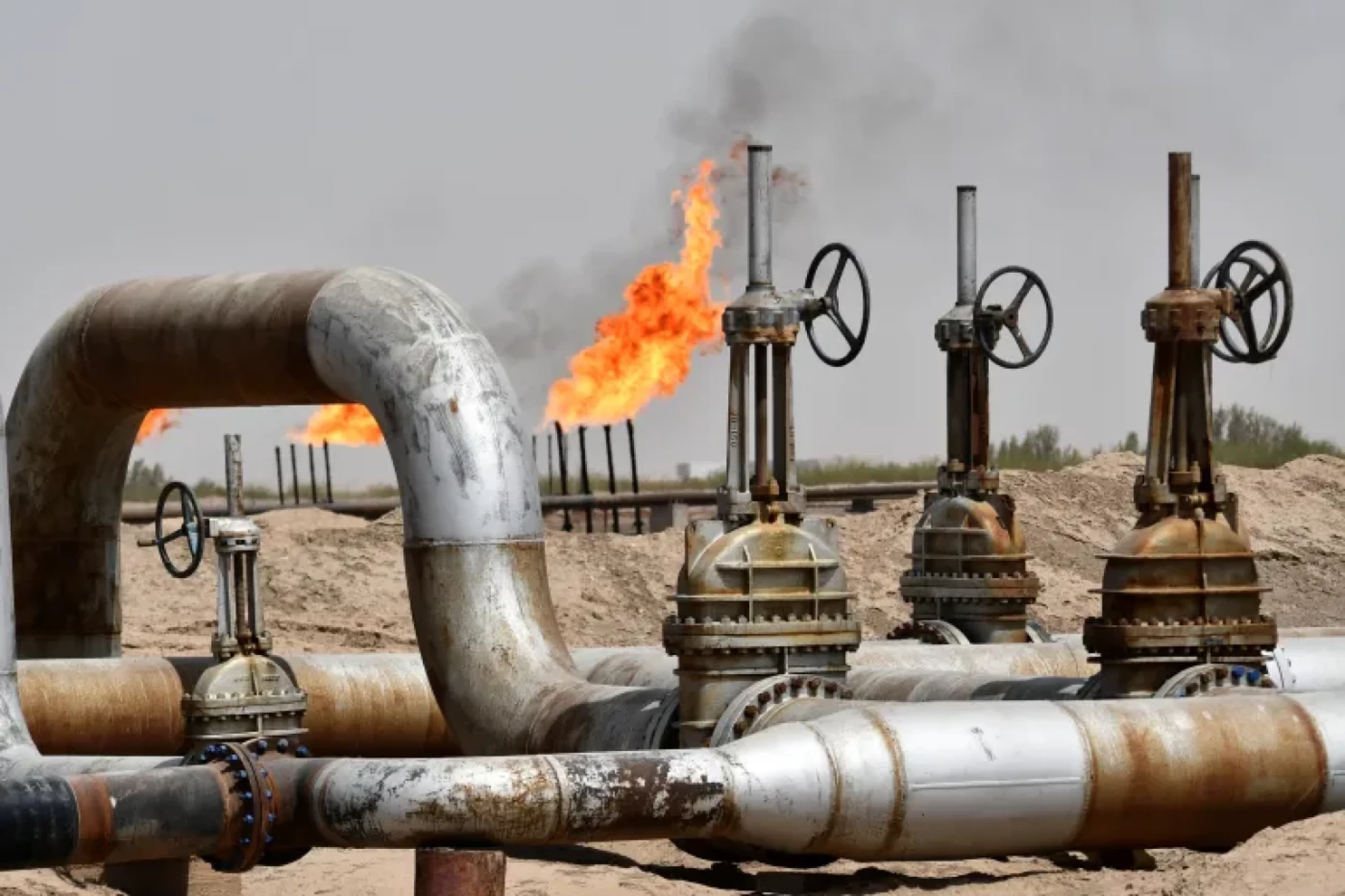
ERBIL, Kurdistan Region of Iraq – Iraq’s oil ministry has instructed oil companies to boost production, eyeing a return to pre-crisis production levels of four million barrels per day, Deputy Minister Naseer Aziz said on Sunday.
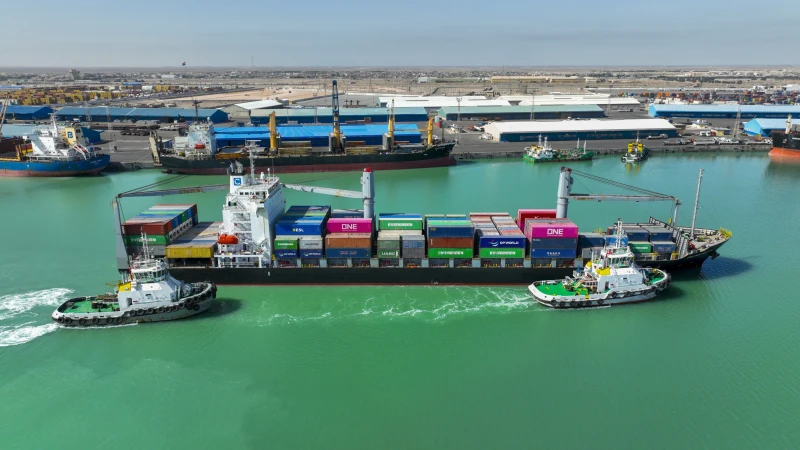
Aziz said in a statement that one of his top priorities after assuming office is to rehabilitate and develop the oil fields situated in the south of the country, which largely reduced production following the regional war and the closure of the vital Strait of Hormuz.
The deputy minister said he had instructed the oil companies operatingnin the country to “accelerate production and pumping operations,” with the goal of increasing exports through the southern ports and ensuring continued oil supplies to national refineries.
He noted that plans aimed at “gradually restoring national production to pre-crisis levels, which hovered around 4.2 to 4.3 million barrels per day,” and increasing exports, particularly from southern ports, to their previous levels of approximately 3.5 million barrels per day.
Iraq’s oil exports and production saw a sharp plunge with the outbreak of the US-Israeli war on Iran in late February, which largely disrupted energy flow through the vital Strait of Hormuz, through which Iraq exports most of its oil.
Iraq exported only 18.6 million barrels of crude oil in March, compared to 99.8 million barrels in February, resulting in nearly $4 billion in lost revenue.
The closure of the Strait of Hormuz and the slash in exports have prompted Baghdad to explore Turkey’s Ceyhan pipeline through the Kurdistan Region, and western routes through Syria.
With the signing of the peace agreement between the US and Iran days ago, which entails the reopening of the strategic waterway as a key clause, oil production and export levels in the region are expected to recover.
However, continued contention between the two sides over Israel’s ongoing bombardment of Lebanon has complicated the negotiation process, with the Iranian military on Friday saying it closed the strait due to Washington’s inability to implement Article One of the agreement, which calls for a halt to attacks, including in Lebanon.
 Facebook
 LinkedIn
 Telegram
 X
X