MILAN, Italy – The Iraqi dinar crashed to its lowest value in over 2.5 years and briefly traded at 160,000 IQD per $100 on Monday due to the effects of the US-Israeli war on Iran and the replacement of Iraq’s central bank governor, according to an economist.
The Iraqi dinar initially fell during the onset of the Iran war but then stabilized as Prime Minister Ali al-Zaidi’s government was elected. Since then, it has gradually lost value but suddenly crashed on Monday morning to its lowest since November 2023.
Mustafa Hasan, an economic expert who holds a PhD in banking, attributed the crash to several factors, foremost of which was the replacement of Ali al-Alaq as governor of Iraq’s Central Bank by Nizar Nasser.
“Ali al-Alaq was highly favored by the US and was a popular figure. His replacement is the main reason why the dinar lost significant value,” Hasan told The New Region.
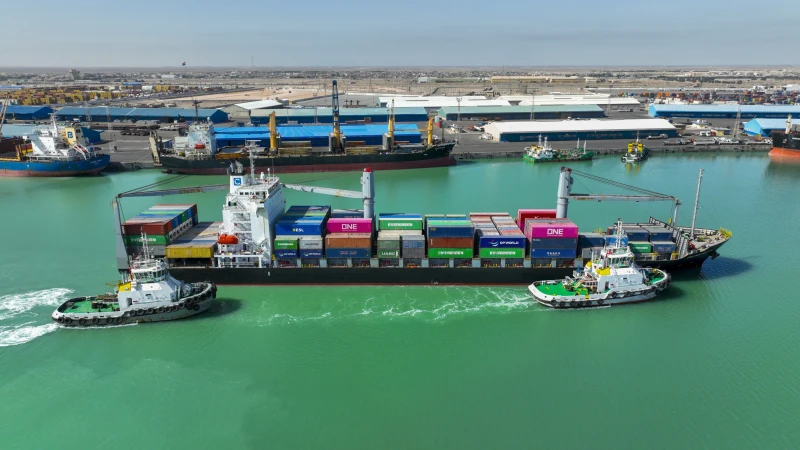
Another primary factor for the loss in value has been Baghdad’s inability to sell the same quantities of its oil as before the Iran war, with almost all of Iraq’s oil transiting the Strait of Hormuz. This has forced the government to sell oil at $50 per barrel – a discounted rate.
“Iraq does not have major storage capabilities, so it needs to quickly export the large quantities of oil it produces,” the expert explained. “This has forced the government to sell whatever oil it can at discounted prices to offload its large supply.”
The closure of the Strait of Hormuz dealt a major blow to Iraq’s oil exports, leading to an 80 percent decrease in exports compared to pre-war times. The slash in exports also prompted Baghdad to explore Turkey’s Ceyhan pipeline through the Kurdistan Region, and western routes through Syria.
The rate represents 1,600 dinars to the dollar in the market, compared with the official exchange rate of 1,320 dinars set by the Central Bank of Iraq. The unofficial rate later rose to 1,570 on Monday afternoon.
A weaker dinar raises the cost of imported goods, including food, medicine and consumer products, putting additional pressure on Iraqi households already grappling with rising living costs.
In late April, the US imposed two major economic sanctions on Iraq, halting dollar cash shipments linked to oil revenues and suspending dollar transfers to and from the country.
“The US is not keen on easily providing dollars to Iraq. It has set several conditions for [Prime Minister] Ali al-Zaidi to achieve before it resumes normal dollar flows to Iraq,” Hasan said.
The tighter regulations are set to continue “until mid-July, when Zaidi visits the US and makes several agreements with the Americans,” the expert added.
Zaidi is set to visit Washington in mid-July upon a personal invitation from US President Donald Trump. The visit is aimed at building a “productive economic partnership” and expanding ties with the US, according to Iraqi government spokesperson Haider al-Aboudi.
In October, Iraq’s Central Bank issued a new set of measures to tackle foreign currency smuggling and money laundering, including a requirement that businesspeople submit detailed receipts for purchases made abroad before transferring funds outside Iraq.
The measures came after the US Treasury Department sanctioned three Iraqi bank executives in October, accusing them of money laundering for Iran’s Islamic Revolutionary Guard Corps (IRGC) and Iran-backed armed groups in Iraq.
 Facebook
 LinkedIn
 Telegram
 X
X