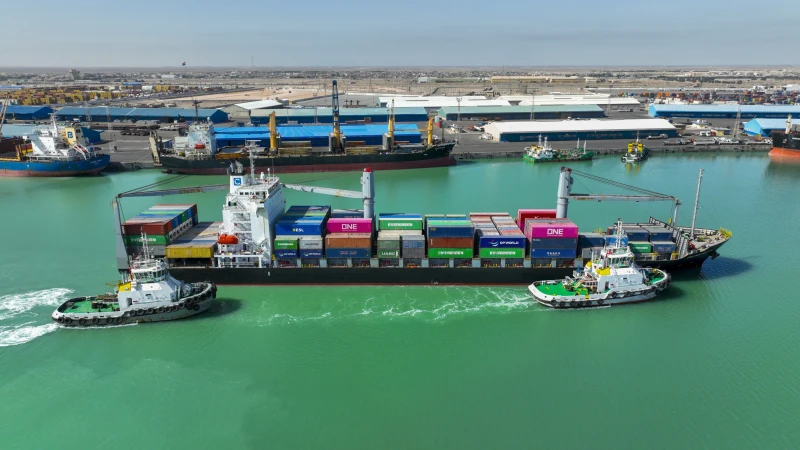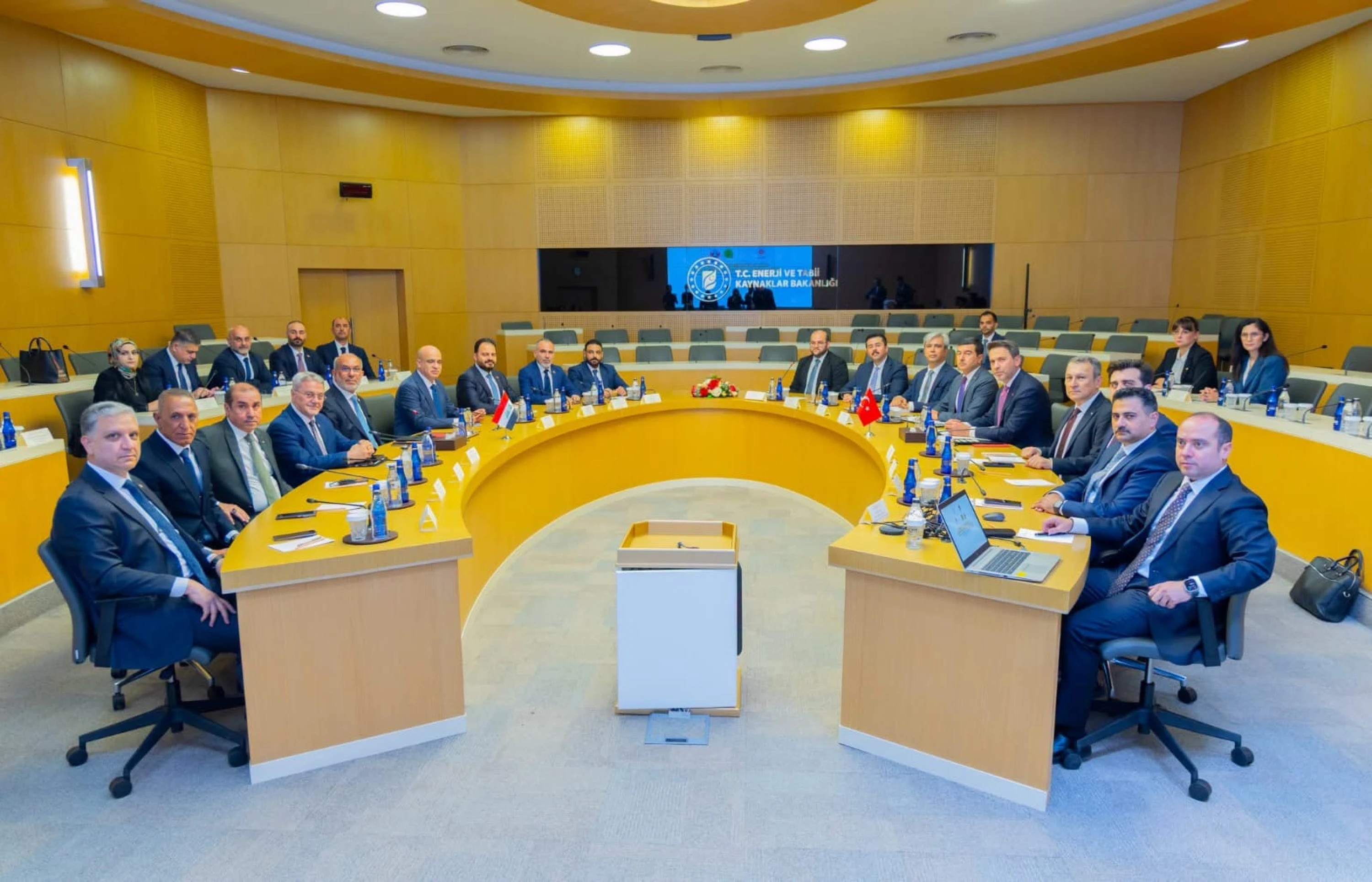
ERBIL, Kurdistan Region of Iraq – Iraq and Turkey signed a one-year agreement to transport 750,000 barrels of Iraq’s oil through the Ceyhan pipeline daily, the oil ministry said Saturday, as the country looks to diversify export channels due to the closure of the Strait of Hormuz.
The agreement was signed between Iraqi Oil Minister Basim Mohammed Khudair and Turkish Minister of Energy and Natural Resources Alparslan Bayraktar.
“The agreement sets an export capacity of 750,000 barrels per day," oil ministry spokesperson Salim al-Rikabi told state media.
Iran has closed the Strait of Hormuz, a key waterway responsible for the transport of roughly 20 percent of the world’s oil, amid its conflict with the US and Israel, leading to a major blow to Iraq’s economy.
The Ceyhan pipeline “holds a more strategic position than ever in terms of regional and global energy supply security, as evidenced by developments in global oil markets,” Bayraktar wrote on X, adding that “efforts continue toward a new long-term agreement for this pipeline.”
Iraqi oil exports plummeted by over 80 percent after the strait’s closure, going from nearly 100 million barrels in February down to 18.6 million barrels in March at the height of the conflict.
Oil revenues in March were just shy of $2 billion, compared to the $6 billion brought in just a month earlier, according to data from the oil ministry, with the US-Israeli campaign having been launched on February 28.
The slash in exports has prompted Baghdad to explore Turkey’s Ceyhan pipeline through the Kurdistan Region, and western routes through Syria, as southern routes were impeded by the disruption of traffic at the Strait of Hormuz.
In May, Iraq’s oil ministry said that it aims to increase oil export capacity to Turkey’s Ceyhan port to around 650,000 barrels per day through the rehabilitation of the Kirkuk-Ceyhan pipeline and the increase of production from both Iraqi and Kurdistan Region fields.
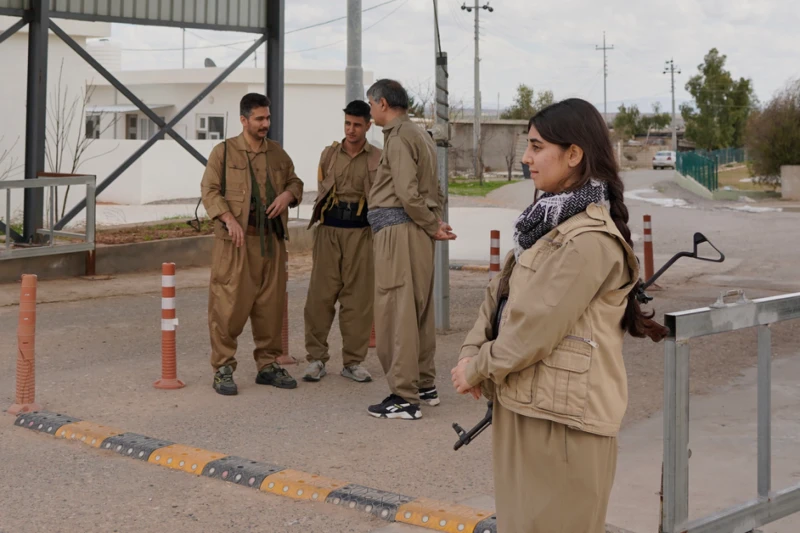
Rikabi also said achieving 750,000 barrels daily is linked to the security conditions in the Kurdistan Region, as oil fields have come under drone strikes since hostilities between the US and Iran started, reducing overall production levels.
Since the outbreak of the recent conflict, the Kurdistan Region has come under hundreds of drone and missile attacks, many of which have targeted oil and gas facilities.
 Facebook
 LinkedIn
 Telegram
 X
X