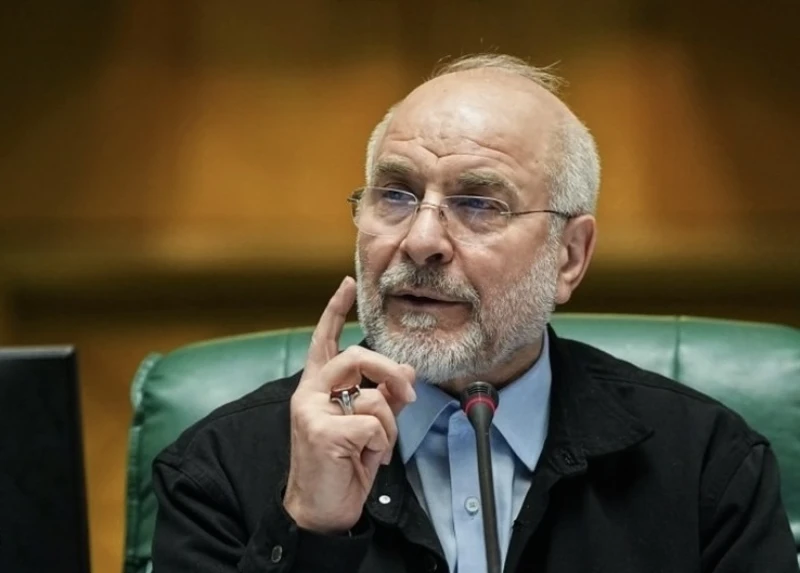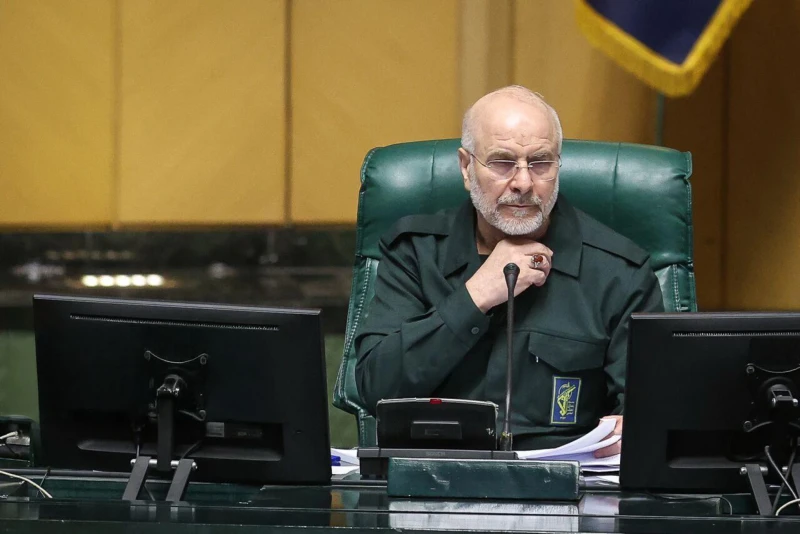
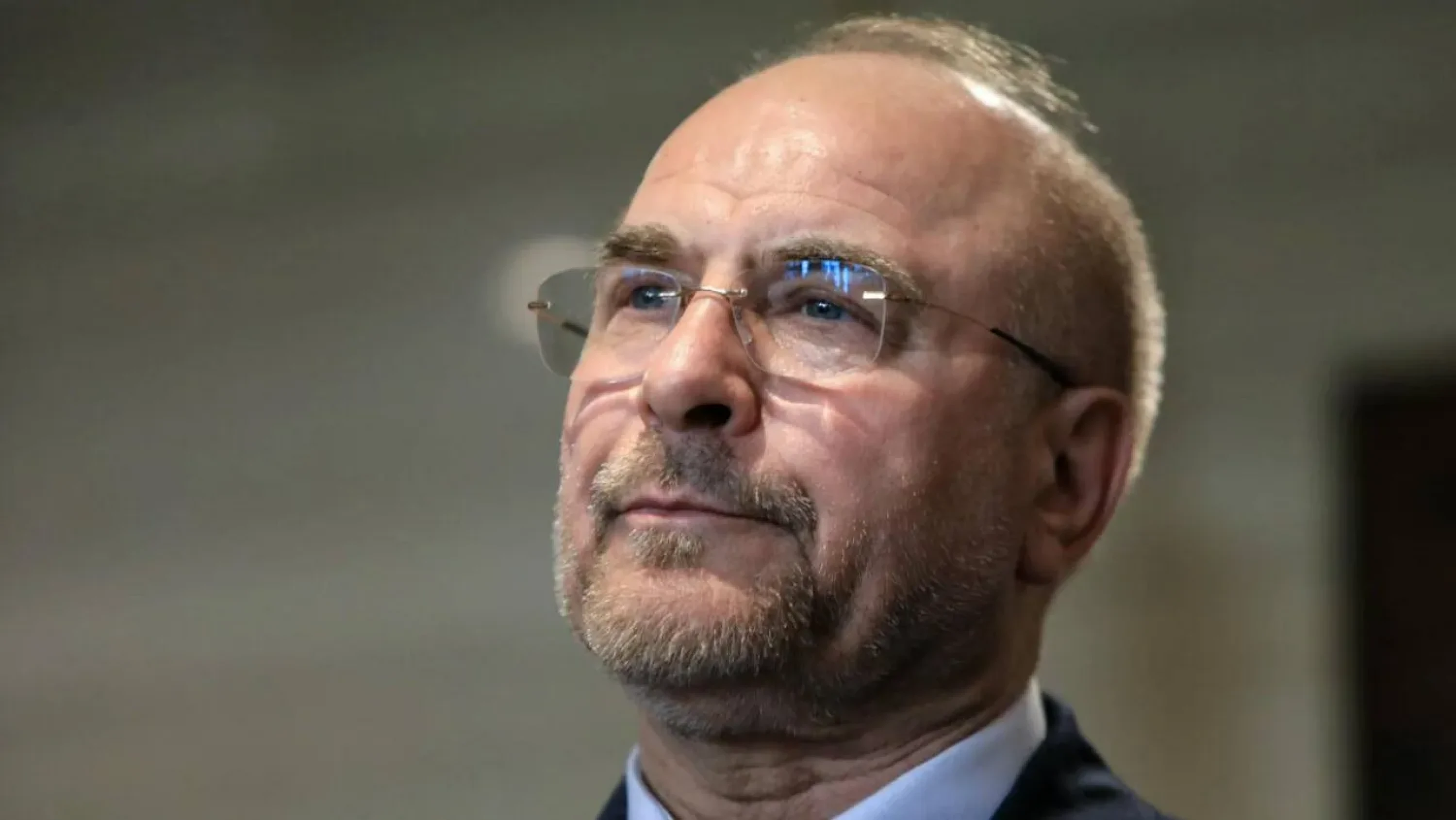
ERBIL, Kurdistan Region of Iraq – Iranian parliament speaker and chief negotiator with the US, Mohammad Bagher Ghalibaf, said Tuesday that uranium enrichment is a national right and a "red line" for Iran, describing it as one of Tehran's key sources of strength that is non-negotiable.
The US has repeatedly stressed that it will not allow Tehran to enrich its uranium stockpiles, with US President Donald Trump on Monday insisting the the current negotiation process, which comes on the back of a joint US-Israeli military campaign against Iran that began in late February, entails the "denuclearization of Iran."
Earlier in June, Iran and the US digitally signed a peace deal, which was followed by initial talks in Switzerland. However, hostilities between Israel and Lebanon, as well as between the US and Iranian signatories, continued over the past week despite the agreement's stated aim of halting hostilities across all fronts.
Speaking about the agreement's implications on Iranian nuclear ambitions, which Tehran has always insisted are peaceful, Ghalibaf said, "We are naturally a member of the NPT [Nuclear Non-Proliferation Treaty], and we will cooperate with the agency," referring the the UN nuclear watchdog, while stressing that "our red line in this area is clear: Enrichment is our right," during an interview aired by state broadcaster IRIB.
Regarding Iran’s enrichment program, the Iranian chief negotiator said, “this issue is not negotiable,” referring to it as Iran’s “components of strength,” noting that it “guarantees against American excesses.”
Ghalibaf also claimed to have received mixed signals from US officials regarding the trajectory of the talks, saying that US Secretary of State Marco Rubio "is pursuing one approach, while [Vice President] JD Vance is pursuing another."
The US-Israeli war on Iran began in late February, with Washington maintaining that the offensive was intended to eliminate Iran's nuclear capabilities and impose limits on its missile program.
“One of our prides is that our offensive power and missile power are not negotiable at all,” Ghalibaf said.
Summarizing the talks in Switzerland, Iran's top negotiator said Israel's offensive in southern Lebanon and its alleged opposition to the newly signed deal underscored the need for a set of coordination.
"A joint committee between Iran, the United States, and Lebanon will be established to realize the national sovereignty of Lebanon, and our ambassador is also our representative on this committee," he said.
“America has guaranteed the existence of the resistance front in Lebanon,” he said, directing his words to parties that were aiming to end Hezbollah’s presence in the region.
Israel and Lebanon on Friday signed a US-backed framework agreement that would see the Lebanese Army take over Israeli positions in Hezbollah-dominated areas in a bid to quell the pro-Iran group's influence, with Israel having insisted that its forces will not quit its northern neighbor until Hezbollah has been disarmed.
An end to Israel’s operations in Lebanon has been one of Iran’s key demands in its negotiations with the US, with the issue having been mentioned in Article One of a recent 14-point memorandum of understanding between Tehran and Washington.
Iran’s foreign ministry said that it held “very brief” discussions with the United States on the nuclear issue during high-level talks in Switzerland, describing the exchange as “simply an expression of positions” as its delegation headed back home.
 Facebook
 LinkedIn
 Telegram
 X
X