ERBIL, Kurdistan Region of Iraq - Iraq aims to increase non-oil revenues to about 45 percent of total public revenues over the next 10 years, up from less than 10 percent currently, the financial advisor for the country’s prime minister said on Friday.
The US-Israel war on Iran and the subsequent restrictions on the Strait of Hormuz have greatly impacted Iraq’s income generation, which heavily relies on oil exports, sparking fears that the country would face a financial crisis and fail to provide monthly salaries to its civil servants.
Mudher Mohammed Salih, the Iraqi prime minister’s financial advisor, told state media on Friday that Iraq’s current fiscal policy is focused on gradually increasing non-oil income to reduce the country’s heavy reliance on oil revenues.
“The current fiscal policy works to gradually raise the contribution of non-oil revenues to reach about 45 percent of total public revenues during the next ten years, compared to the current situation in which non-oil revenues do not exceed 10 percent of total revenues,” he said.
He said the goal of increasing non-oil revenues would be achieved through “improving tax and customs collection, automating financial systems, expanding the tax base, activating the private sector and investment, and reforming the banking sector.”
“These measures need time before they are fully reflected in the financial reality, but they represent the most sustainable path to address the liquidity problem, reduce dependence on oil, and enhance the Iraqi economy’s ability to face external shocks and achieve long-term financial stability,” Salih added.
He also said the International Monetary Fund (IMF) sees Iraq’s main challenge as containing the fiscal deficit and diversifying public revenue sources rather than the overall size of public debt.
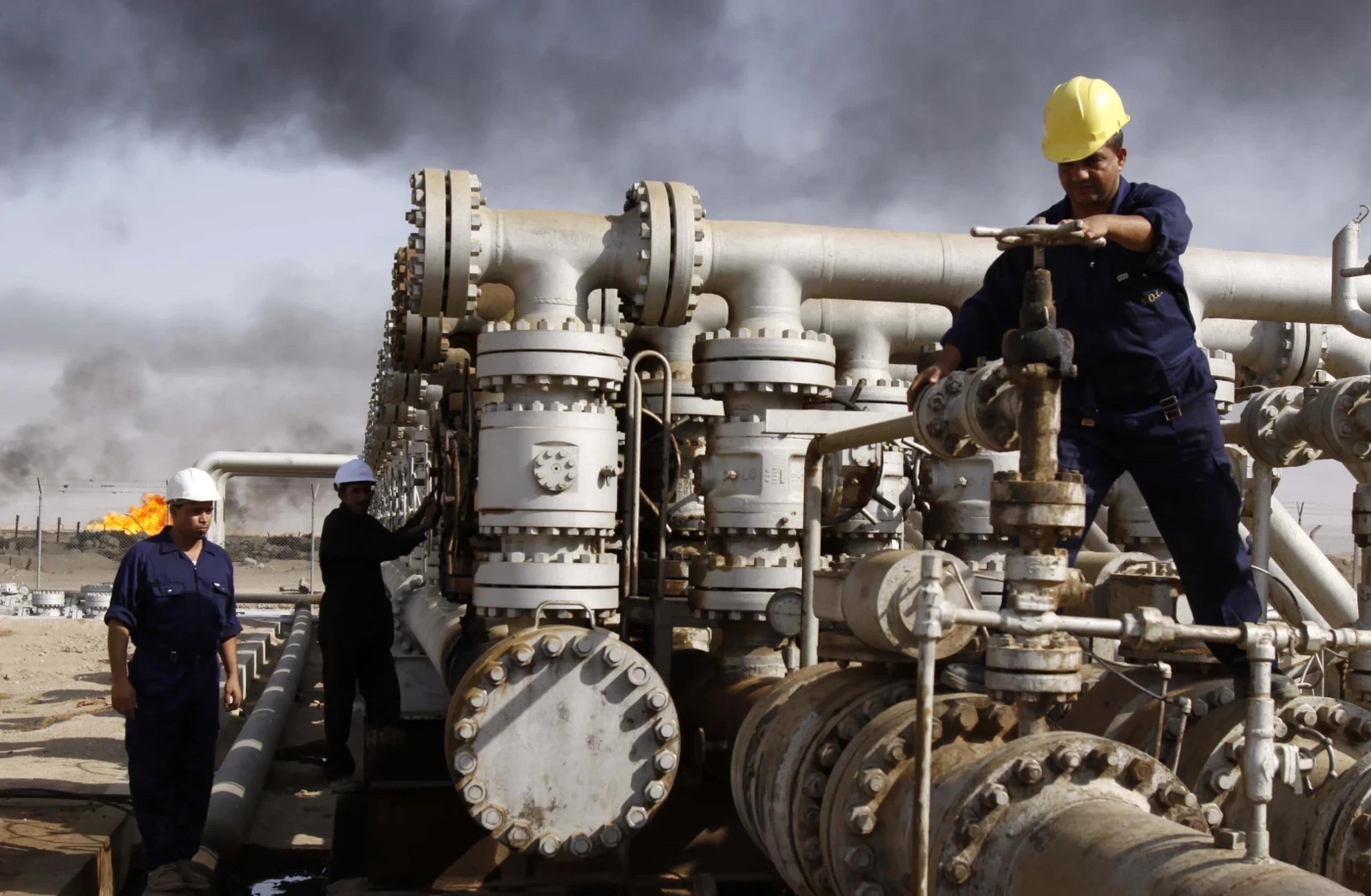
Iraq’s oil exports and production saw a sharp plunge during the regional conflict, which largely disrupted energy flows through the Strait of Hormuz, through which Iraq exports most of its oil. Iraq exported only 18.6 million barrels of crude oil in March, compared to 99.8 million barrels in February, resulting in nearly $4 billion in lost revenue.
In June, Deputy Oil Minister Naseer Aziz said oil companies operating in the country had been instructed to “accelerate production and pumping operations,” with plans aimed at “gradually restoring national production to pre-crisis levels, which hovered around 4.2 to 4.3 million barrels per day.”
The drop in exports prompted Baghdad to explore Turkey’s Ceyhan pipeline through the Kurdistan Region and western routes through Syria, highlighting the risks posed by Iraq’s heavy reliance on oil revenues.
 Facebook
 LinkedIn
 Telegram
 X
X