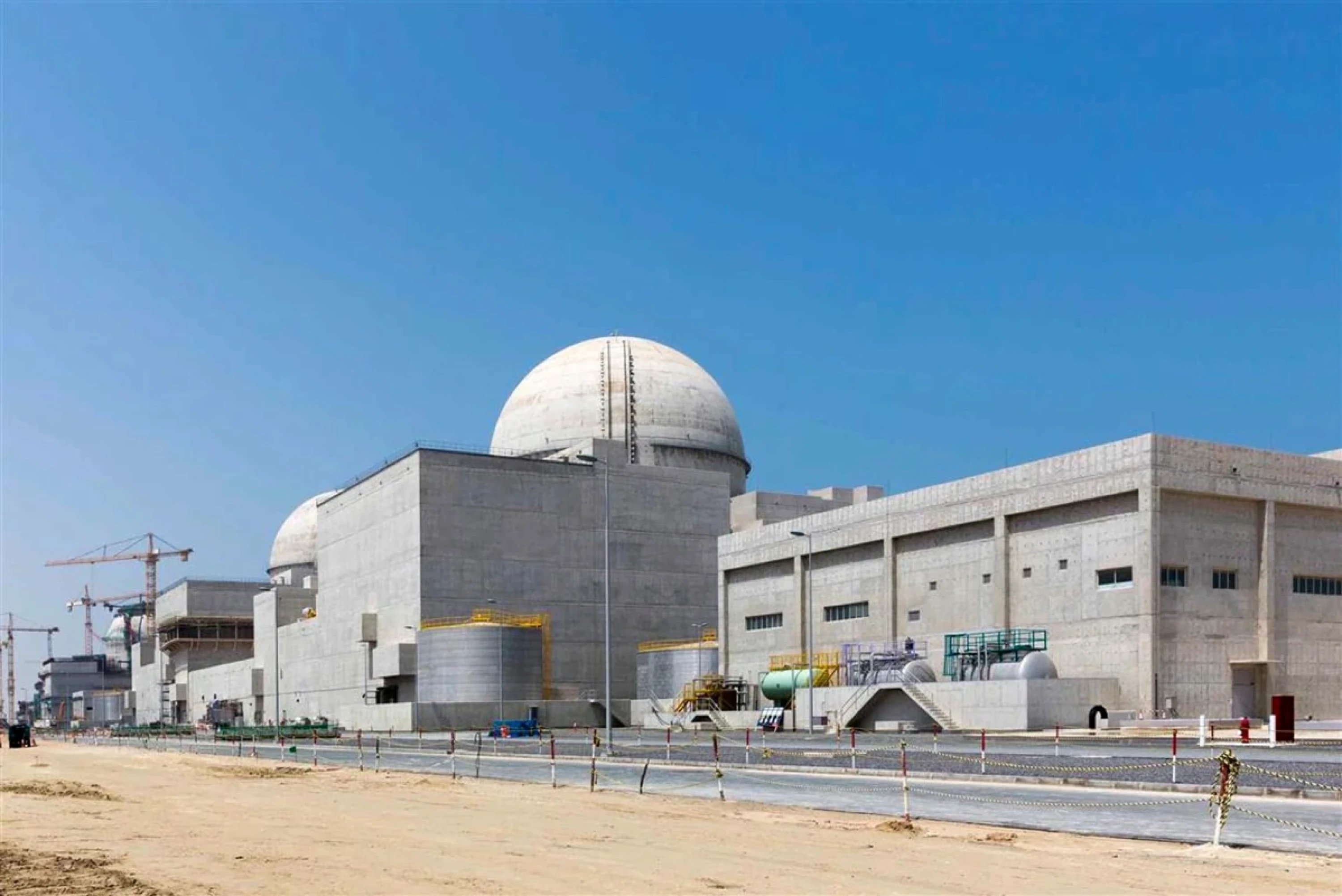
ERBIL, Kurdistan Region of Iraq – Iraq is studying the possibility of developing nuclear power plants to generate electricity, with authorities working on preliminary studies and technical requirements for what officials describe as a long-term strategic project, the state newspaper said.
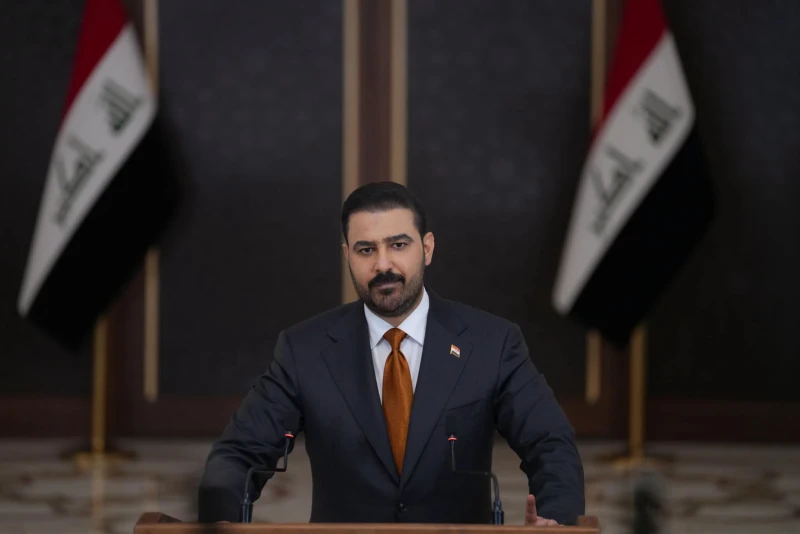
Munir Kadhim, deputy head of the Iraqi Atomic Energy Commission, told the state-run newspaper al-Sabah on Monday that Iraq, through the commission and a specialized committee, is preparing standards and initial studies related to nuclear power plants.
He said one of the main priorities is selecting suitable sites and coordinating with the water resources ministry to assess water levels and identify locations capable of supporting the facilities.
“The issue is among the strategic priorities that need to be studied carefully and go through several stages and in coordination with the International Atomic Energy Agency,” Kadhim said.
The studies also involve coordination with the electricity ministry and consideration of designs suitable for Iraq’s water resources and infrastructure needs.
Energy expert Duraid Abdullah said the “announcement should be viewed realistically,” noting that Iraq has previous experience with nuclear projects.
He said the country operated research reactors and nuclear-related facilities before 1991 and had signed an “agreement with the Soviet Union in 1984 to build a nuclear power station north of Baghdad, though the project never moved forward after the 1986 Chernobyl disaster.”
Abdullah said the current discussions do not mean Iraq is close to building a nuclear plant, but rather that it is entering an early planning phase that will require significant time, funding, and preparation.
“Building a 1-gigawatt nuclear power plant may require funding of around $8 billion and a construction period that could reach six years under the best conditions,” he said.
Iraq's nuclear program began in the 1950s when the country established its Atomic Energy Commission and pursued peaceful nuclear research.
After initially receiving support from the United States, Iraq turned to the Soviet Union following the 1958 revolution, signing a nuclear cooperation agreement and developing its first research reactor at the Tuwaitha Nuclear Research Center south of Baghdad.
The Soviet-built Tamuz research reactor became operational in the late 1960s and was used for scientific research and the production of radioactive isotopes.
In the 1970s, Iraq expanded its nuclear ambitions under Saddam Hussein, signing agreements with France and Italy to develop more advanced nuclear facilities, including the French-supplied Osirak reactor, known in Iraq as the Tamuz project.
Israel viewed the program as a potential path toward nuclear weapons and carried out a series of operations against it, culminating in a June 1981 airstrike that destroyed the Osirak reactor before it became operational.
Iraq later pursued a new domestic nuclear effort, but wars, sanctions, international inspections, and the 2003 US-led invasion ultimately ended the program.
 Facebook
 LinkedIn
 Telegram
 X
X