ERBIL, Kurdistan Region of Iraq – Of more than 6,200 inmates serving sentences in correctional facilities across the Kurdistan Region, nearly a third of them are in prison on drug related charges, the head of the Region’s correctional facilities said Monday.
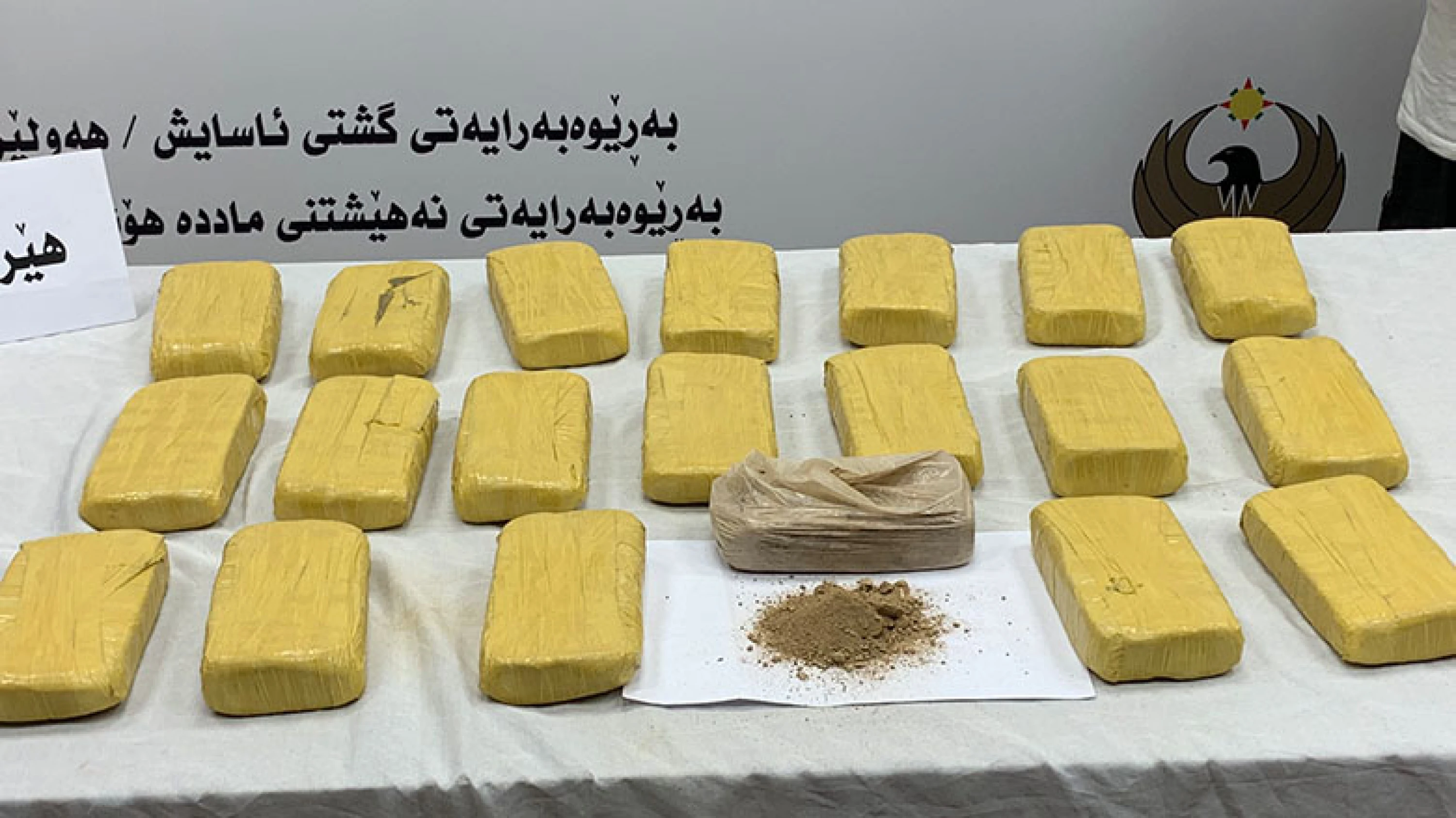
Ihsan Abdulrahman, head of the Kurdistan Region’s correctional facilities, told reporters at a presser Monday that currently more than 6,200 inmates are serving their sentences in correctional facilities of the Region, of which 1958 inmates are serving sentences for either the trade or abuse of drugs, making drug-related offenses the largest category among inmates.
He said about 4,000 inmates entered the facilities only in the first six months of the year, while around 3,500 other inmates completed their sentences and were released.
Abdulrahman added that about 500 inmates had been sentenced to death, while 15 inmates among the total number were released under special pardon.
Iraq's stringent narcotics laws, which impose death or life sentences for drug-related offenses, are a response to the severity of the crisis but have yet to curb the increasing drug use and trafficking fully.
Owing to its geographic position, Iraq functions largely as a transit corridor for narcotics trafficked from eastern source countries such as Iran and Afghanistan toward European markets.
Earlier in February, an official from the Kurdistan Region’s anti-narcotics directorate told The New Region that more than 2,700 suspects were arrested on drug-related charges across the Kurdistan Region throughout 2025.
Hundreds of inmates received support services aimed at reintegration into society, including continuing their education and obtaining job opportunities through workshops inside correctional facilities, while others underwent rehabilitation at drug addiction treatment centers, and training and skill-development courses were held for both staff and inmates.
Kurdistan Region’s authorities have time and again expressed their commitment to combating the spread of narcotics, ramping up security measures and opening a number of rehabilitation and treatment centers across the Region.
 Facebook
 LinkedIn
 Telegram
 X
X