ERBIL, Kurdistan Region of Iraq – Iraq ranks at the top of Arab and Middle Eastern nations in the number of banks with 81 institutions, but banking services still fall below expectations, a financial monitor said Saturday.
“The number of banks and representative offices operating in the country is 81 banking institutions,” the Eco Iraq Observatory said in a statement on Saturday morning, adding that the country is “currently one of the most active sectors in the Middle East.”
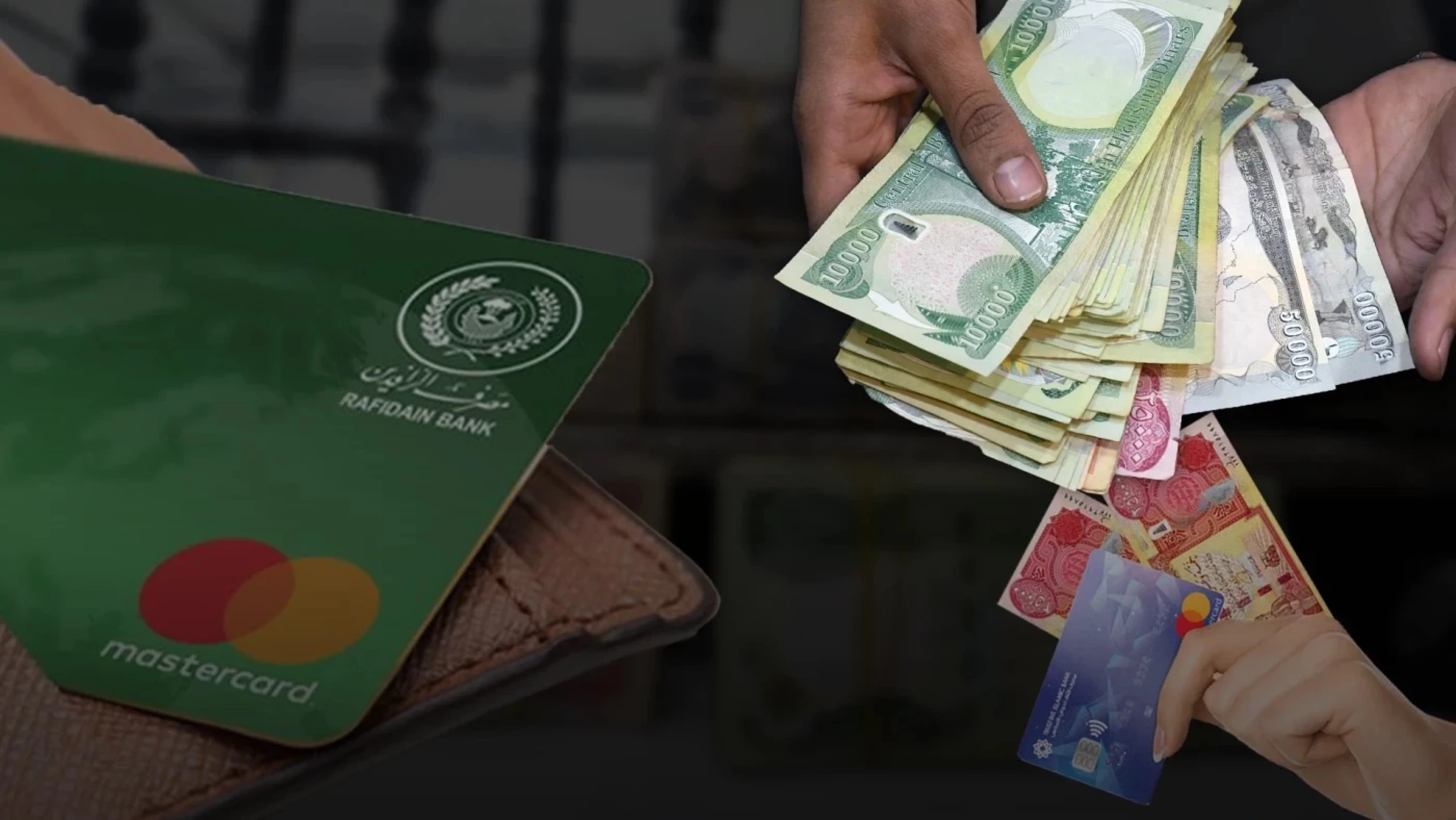
Iraq’s banking system suffers from rampant corruption, with most citizens reluctant to keep their capital in banks and opting to retain cash at home.
Iraq’s Integrity Commission announced in late May that it thwarted an attempt to seize nearly “1.5 trillion Iraqi dinars from the state-run Rafidain and Rasheed banks in Baghdad” following a joint operation with banking officials and the judiciary.
Despite the challenges, the country has striven to revitalize its banking sector in recent years, with financial officials repeatedly calling on citizens to place greater trust in the banking system and deposit their savings in banks.
Of the 81 institutions, 24 are local commercial banks, 31 are local Islamic banks, and 8 are government banks, according to the monitor. There are also 16 foreign banks and two representative offices of foreign banks. The organization said Iraq still lacks a fully integrated bank.
According to Eco Iraq’s data, there are 25 million active cardholders in the country, corresponding to over 54% of Iraq’s 46.1 million population, based on the 2025 census results.
The Central Bank of Iraq in September unveiled a plan to end cash payments in government institutions by July 2026, as part of a nationwide shift to electronic payments. However, that feat has yet to be accomplished as of the time of this writing.
There are also 20 electronic payment companies and wallets, the watchdog said.
Despite the large number of banks, economic and service roles remain limited, Eco Iraq noted, as they have not fully kept pace with technological developments in the banking sector, particularly in the field of electronic banking.
Iraqi Prime Minister Ali al-Zaidi, who assumed office in mid-May, is a businessman and a master's degree holder in Finance and Banking. Zaidi, who enjoys staunch US support in his capacity as prime minister, was previously the director of the Al-Janoob Islamic Bank.
 Facebook
 LinkedIn
 Telegram
 X
X