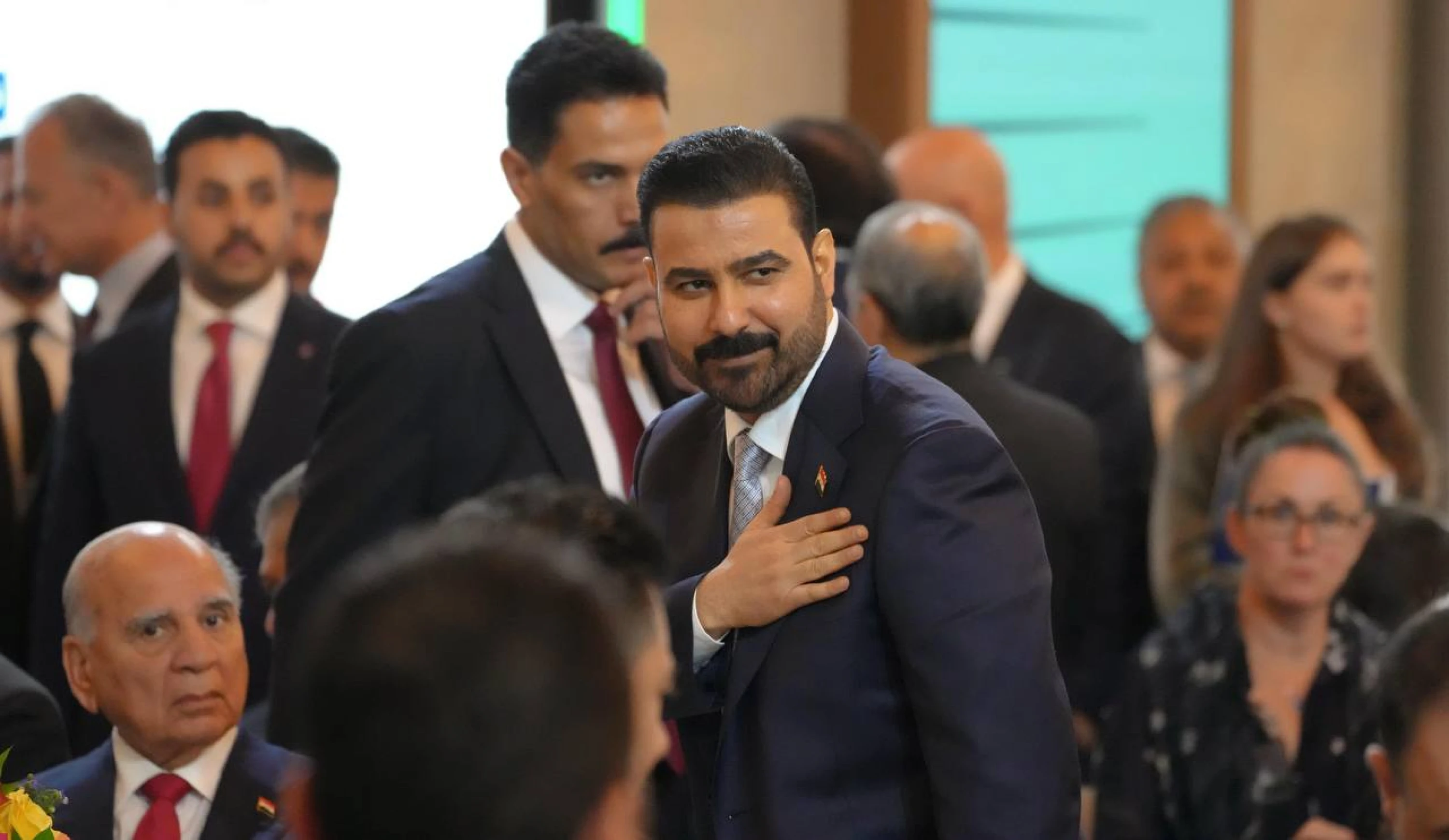
ERBIL, Kurdistan Region of Iraq – Iraqi Prime Minister Ali al-Zaidi on Sunday concluded his five-day visit to the US, where he met with senior US officials, including President Donald Trump, and oversaw the signing of numerous agreements to bolster economic cooperation.
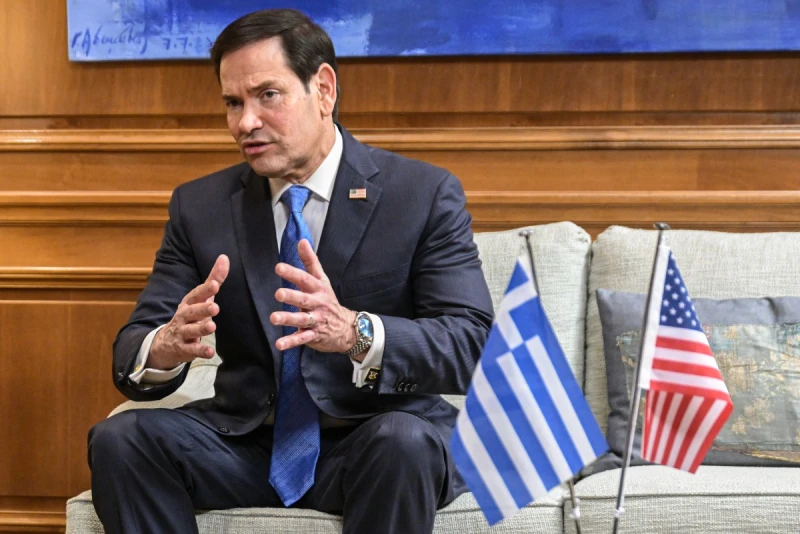
Zaidi arrived in the US on Monday, on his first official overseas trip since assuming office two months ago. A meeting with US President Donald Trump on Tuesday was the center of the visit, during which Trump praised the premier and congratulated him on taking office.
“As we conclude our visit to Washington and return to our beloved Baghdad, we express our deep gratitude to the Trump administration and the friendly American people for their warm welcome and appreciation,” The Iraqi prime minister wrote in an X post.
The premier also met with Trump’s Special Envoy to Iraq Tom Barrack at the US Chamber of Commerce in Washington, who said that Zaidi’s regional economic vision will render the Strait of Hormuz "an afterthought in two years.”
In continuation of his meetings with high-ranking officials in the country, Zaidi also held separate meetings with US defense and treasury secretaries, where they discussed Iraq's anti-corruption efforts and strengthening the state's monopoly on weapons.
During his visit, an agreement was reached between the Central Bank of Iraq (CBI) and the US Treasury Department that will allow seven Iraqi banks to resume correspondent banking transactions in foreign currencies, paving the way for a future return to US dollar transactions.
In addition, the Iraqi leader oversaw the signing of 48 agreements between Iraqi government bodies, private companies, and their US counterparts, at a high-level US-Iraq business summit hosted by the US Chamber of Commerce in Washington.
According to the chamber, the agreements are worth more than $60 billion.
“We reaffirm our government's commitment to advancing the strategic economic partnership between our two friendly nations and strengthening mutual trust and a shared vision for the future,” Zaidi added.
He noted that the agreements “will lead to a new phase of bilateral relations built on shared interests across various fields.”
The oil sector was also heavily featured during the visit, with an agreement being signed between Iraq and Syria to rehabilitate the Kirkuk-Baniyas oil pipeline, offering Baghdad an opportunity to diversify its export routes and reduce reliance on the volatile Strait of Hormuz.
The signing of the agreement was presided over by US Energy Secretary Chris Wright, while a US-led international consortium that included Chevron and TI Capital participated in the initiative.
Iraq's oil exports have suffered greatly as a result of the impact of the US-Israeli war on Iran on the Strait of Hormuz, the restriction of which has prompted Washington to similarly diversify its oil sourcing.
Iraq exported only 18.6 million barrels of crude oil in March, compared to 99.8 million barrels in February, resulting in nearly $4 billion in lost revenue.
Since assuming power after a drawn-out selection process by Iraq's ruling Coordination Framework, Zaidi has earned praise in Washington for his efforts to restrict weapons to the state, a sweeping anti-corruption drive, and an openness to cooperation in the energy sector.
 Facebook
 LinkedIn
 Telegram
 X
X