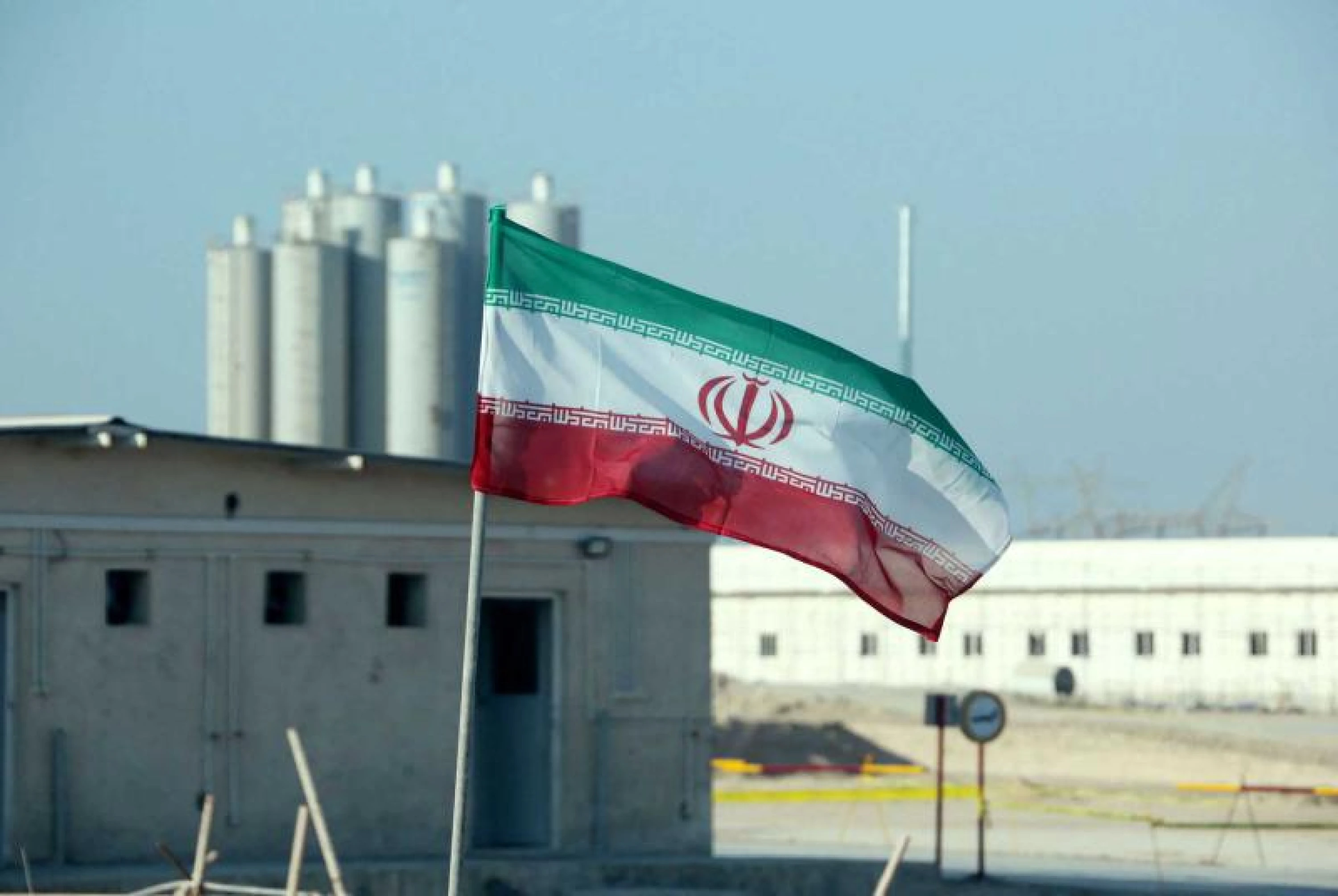
ERBIL, Kurdistan Region of Iraq – The Atomic Energy Organization of Iran (AEOI) on Sunday condemned an overnight US attack on southwestern Iran’s Khuzestan nuclear power plant site, as fighting between the sides continues.
The organization said the attack on the Darkhovin nuclear power plant, which is under construction, was carried out at around 3:30 am local Iranian time with "several projectiles," allegedly launched by the US.
“The terrorist and criminal US regime, which has no nature other than bullying and lawlessness, in an aggressive and brutal act contrary to international law, attacked the Darkhovin power plant under construction,” the AEOI said.
Washington and Tehran traded daily strikes for over a week, eventually resulting in US President Donald Trump on July 8 saying that the peace deal “is over,” merely 21 days after the memorandum of understanding was signed.
Trump’s comments followed Iranian parliament speaker and chief negotiator Mohammad Bagher Ghalibaf’s late June comments saying that uranium enrichment is a national right and a "red line" for Iran, describing it as one of Tehran's key sources of strength that is non-negotiable.
The US has repeatedly stressed that it will not allow Tehran to enrich its uranium stockpiles.
The International Atomic Energy Agency (IAEA) said on Sunday that it is looking into reports of an overnight attack on Dorkhvin, noting that “the facility is in the very early stages of construction and contained no nuclear material when last visited by the IAEA,” in a post on X.
The head of the United Nations' nuclear watchdog, Rafael Grossi, reiterated calls for “military restraint in the vicinity of all nuclear-related sites,” while noting that the attack “is not believed to pose any radiological risk.”
The US-Israeli war on Iran began in late February, with Washington maintaining that the offensive was intended to eliminate Iran's nuclear capabilities and impose limits on its missile program.
 Facebook
 LinkedIn
 Telegram
 X
X