
ERBIL, Kurdistan Region of Iraq - Iranian Supreme Leader Mojtaba Khamenei on Saturday warned that any missteps by the US or Israel will be met with a response that is "geographically unrestricted," while the country's military chief confirmed that his forces are "constantly updating our target database" in preparation.
The supreme leader, who has still not be seen in public after being wounded in the strike that killed his father and predecessor Ayatollah Ali Khamanei in February, reportedly held a meeting with top generals on Saturday, with a subsequent statement from his office asserting that "any level or type of threat must be met with an immediate, impactful and geographically unrestricted response."
"If the enemies once again launch military or terrorist attacks, it is the armed forces of the Islamic Republic and the Iranian nation that will determine the time and conditions for ending them."
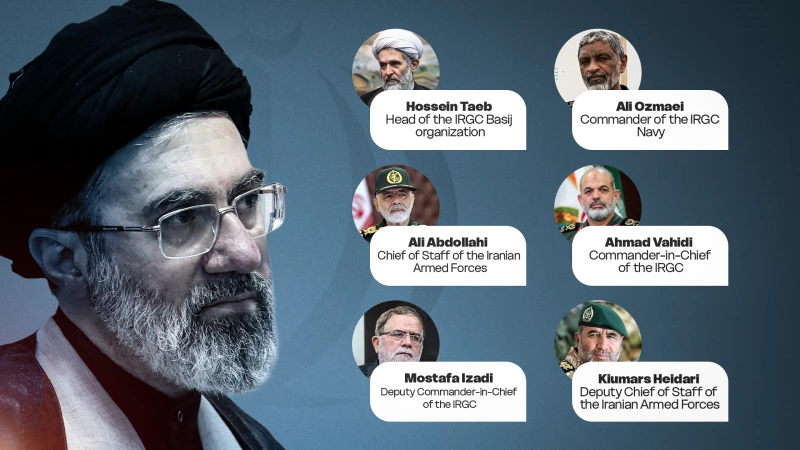
Khamenei's meeting with the top brass marked the first of its kind publicized by Iranian state media, and was attended by Chief of Staff of the Iranian Armed Forces Ali Abdollahi.
Abdollahi subsequently issued a statement asserting that Iran's foes would face a "new approach and an unimaginable response" to any transgression, vowing to "confront the American and Zionist enemies with full force, intensity, and without any geographical limitations, utilizing the latest and most advanced equipment and technologies."
"It is we who will determine and bring about the end of the war, and that end will be your demise."
The high-level statements come as the US and Israel have reportedly discussed initiating new strikes on Iran in the near future. Israel held its parliamentary elections earlier this week, while US President Donald Trump had previously vowed not to launch any new offensive ahead of the US mid-term elections, pegged for November 3.
Tehran was able to successfully leverage strikes on US Gulf allies and critical infrastructure during the previous conflict, forcing the war to be expanded and dragging regional partners into the conflict without their foreknowledge.
With its nexus of ideological allies concentrated in Lebanon, Iraq, and Yemen, any return to hostilities could see broader strikes in support of Iran across the region, with Yemen's Houthis already incessantly targeting Saudi oil infrastructure and airports in their own conflict.
In an exlcusive interview with Al-Jazeera aired Saturday, Iranian Foreign Minister Abbas Araghchi said that US engagement in ongoing peace efforts are positives, citing the role of Qatari and Pakistani mediators in exchanging draft agreements.
"Iran's conditions are clear, and negotiations between mediators regarding these conditions are ongoing," said Araghchi.
"Lifting the sanctions imposed after the Islamabad memorandum of understanding, reducing the number of American forces in the region, reinstating oil exemptions, and releasing all of Iran's frozen assets, including those held in Qatar, are among these conditions"
 Facebook
 LinkedIn
 Telegram
 X