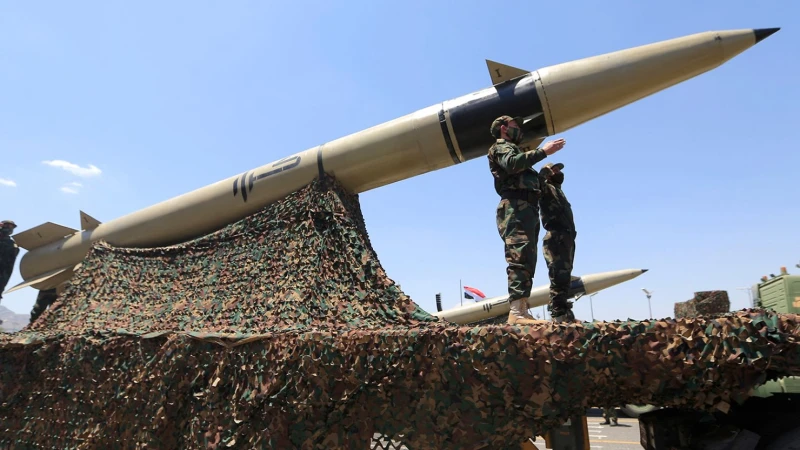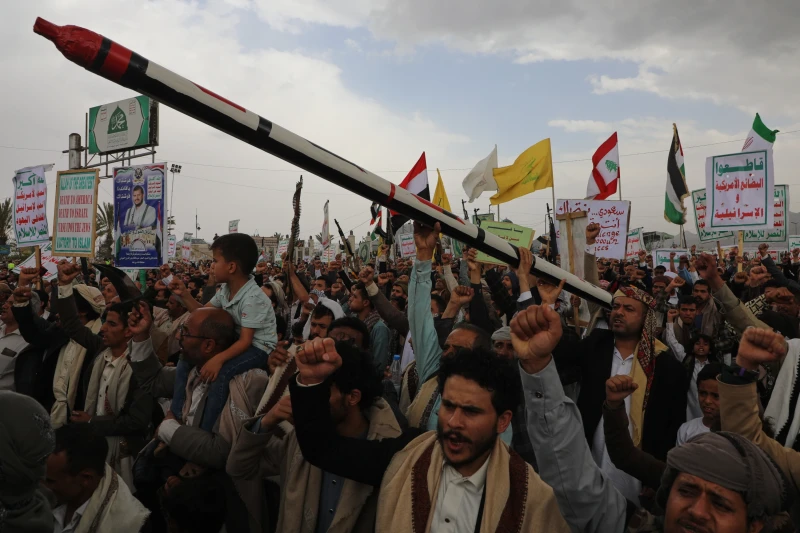
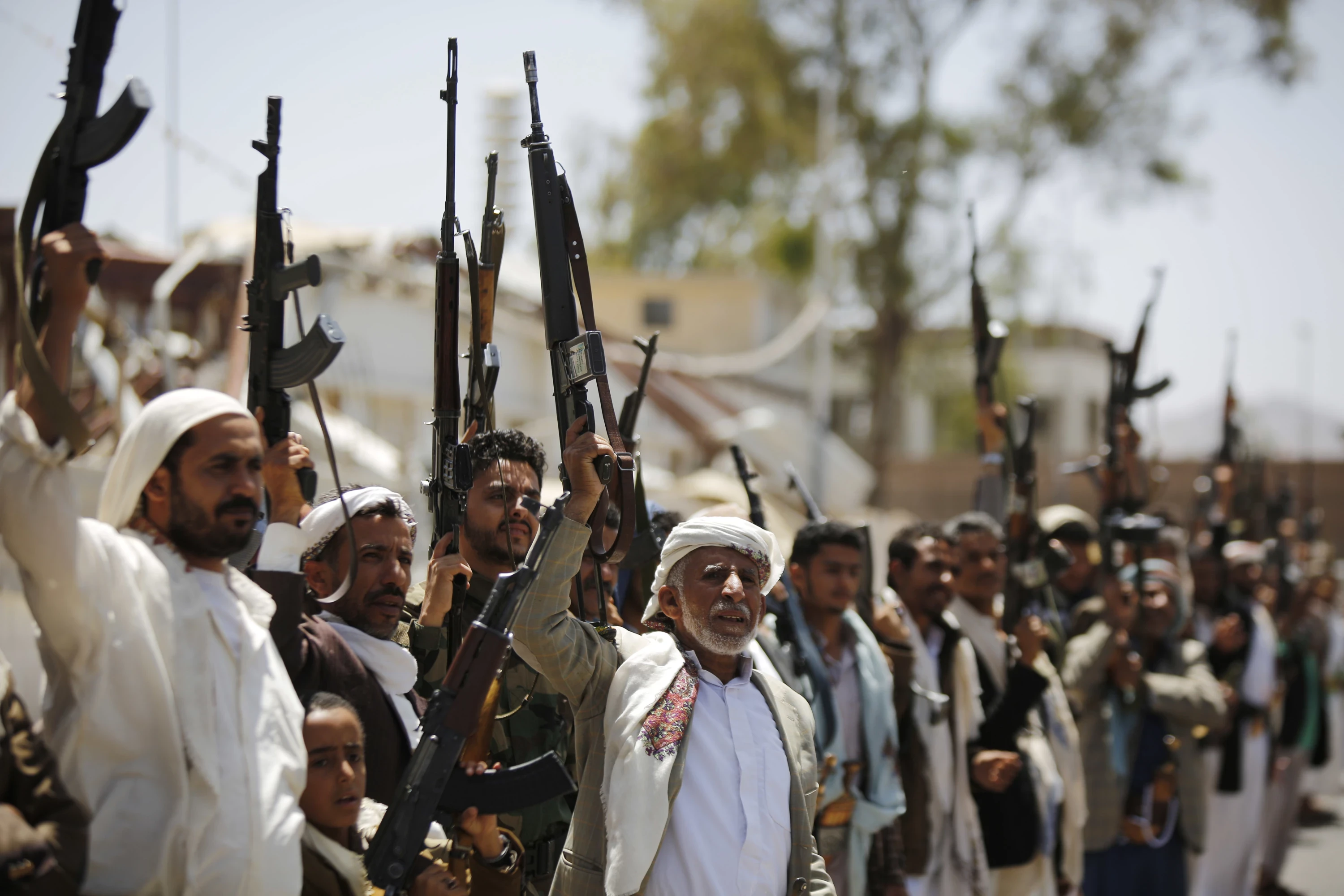
ERBIL, Kurdistan Region of Iraq - Yemen's Iran-backed Houthi rebels on Monday announced their imposition of a maritime blockade on Saudi Arabia, coming following a period of heightened tensions that saw both sides launch limited kinetic strikes against one another.
Yahya Saree, the spokesperson for the Houthis, said in a video statement that the embargo would begin "effective immediately" and is "based on the equation of 'an eye for an eye,'" further warning that any escalatory response by Riyadh "will be met with a comprehensive and decisive escalation."
Saree added that the move comes in response to alleged Saudi efforts to restrict Houthi-run ports and airports following a dramatic bombing of Sanaa International Airport the week prior, asserting that they will meet "the blockade with a blockade."
In 2014, the majority-Shiite Houthi rebels launched an offensive to capture the Yemeni capital of Sanaa from the incumbent government, sparking a lengthy civil war that saw rebels pitted against a Saudi-led coalition seeking to crush the uprising.
Iran supported the rebels, who promptly became a core component of the regionwide "Axis of Resitance," with the conflict eventually resulting in a stalemate that left Yemen divided into two de facto separate administrations.
Despite the gradual cessation of hostilities since a UN-brokered truce in 2022, tensions flared on July 13 when the international airport in Houthi-controlled Sanaa was bombed to prevent an Iranian plane from landing.
The internationally-recognized Yemeni government claimed that they orchestrated the strike, though the rebel group immediately pointed the finger at Saudi Arabia and retaliated in kind with strikes on its northern neighbor's Abha International Airport.
On Thursday, Houthi leader Abdul-Malik al-Houthi said that all oil infrastructure in Saudi Arabia is a "target for our missiles and drones if they engage in aggression against our country."
With their center of power in western Yemen, the Houthis are strategically placed to exert a degree of control over the Bab el-Mandeb strait, which connects the Red Sea to the Indian Ocean and has proved a crucial oil export route for Riyadh amid the closure of the Strait of Hormuz by Iran during its conflict with the US and Israel.
Reuters reported on Friday that over 70 percent of Saudi crude exports currently occur via the port of Yanbu along the Red Sea, rendering any obstruction of access to the Indian Ocean for vessels bearing Saudi oil a stark economic threat.
The Iran-backed movement proved its disruptive capacity from late 2023, when it began targeting allegedly Israeli-linked commercial vessels in the strait in response to the Israeli genocide in Gaza.
After Washington's memorandum of understanding with Iran collapsed and led to renewed hostilities, as well as shipping chaos in the Strait of Hormuz, the prospect of the Houthis restricting transit in Bab el-Mandeb to assist their Iranian allies has been a source of concern for international powers.
Fox News on Thursday reported that Tehran was signaling the possibility of such a move, with a US State Department spokesperson telling the outlet that "ensuring freedom of navigation in the Red Sea" is a "core interest" of the Trump administration and reiterating Washington's designation of the Houthis as a terrorist organization.
 Facebook
 LinkedIn
 Telegram
 X
X