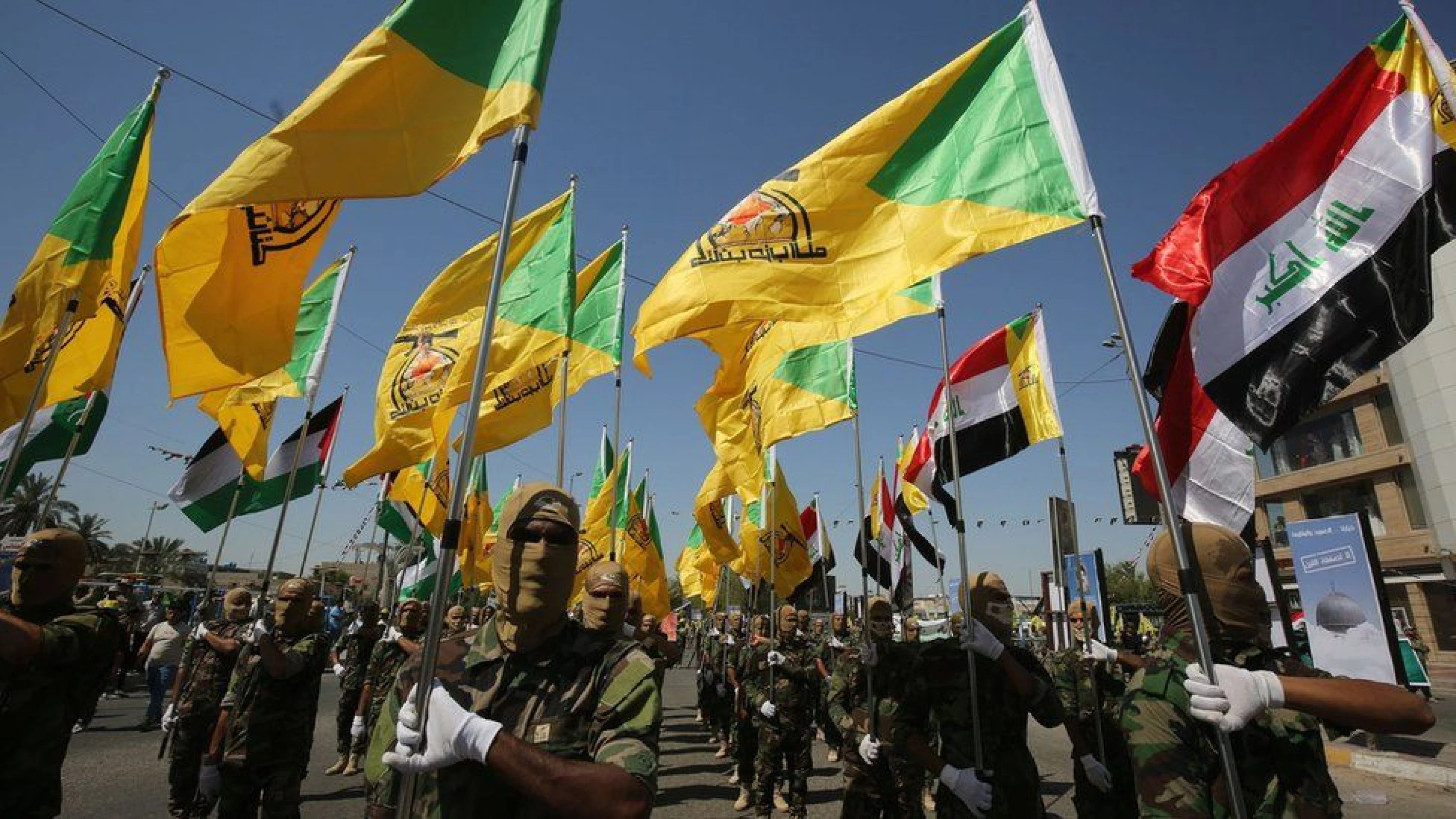
ERBIL, Kurdistan Region of Iraq - Kataib Hezbollah, a pro-Iran Iraqi militia, on Monday hailed the imposition of a maritime blockade on Saudi Arabia by Yemen's Houthis, calling the move an expression of "unwavering will."
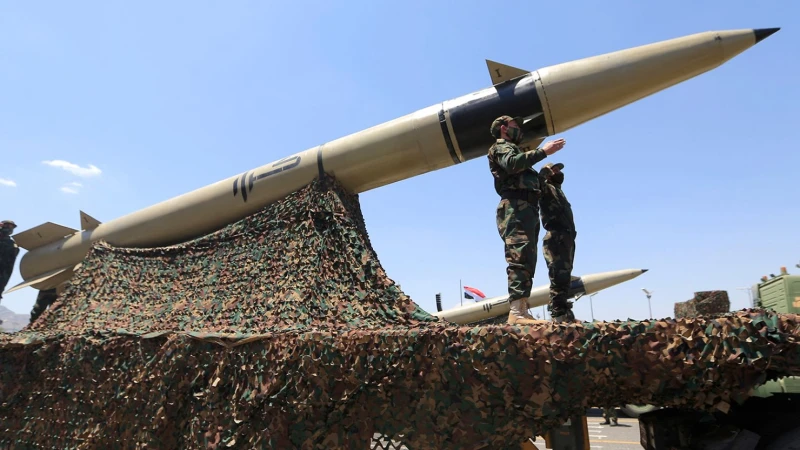
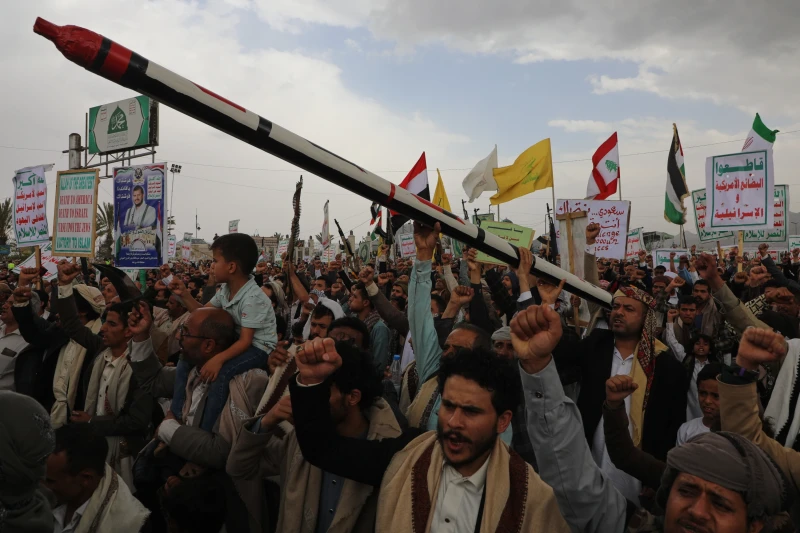
Earlier in the day, the spokesperson of the Houthi movement Yahya Saree said that they will meet "the blockade with a blockade," referring to Riyadh's control over entry into airports and ports in Houthi-held territory.
Tensions were enflamed between Saudi Arabia and the Iran-aligned militants after an Iranian plane attempting to land in Sanaa International Airport was disrupted by an airstrike on the installation's runway the week prior.
Although the bombing was claimed by Yemen's internationally recognized government, the Houthis accused Riyadh of orchestrating the strike and bombed a Saudi airport in retaliation.
Kataib Hezbollah expressed support for their Axis of Resistance allies in a statement, saying that the Houthi embargo comes "in response to the unjust blockade imposed upon them for nearly twelve years."
"We in Kataib Hezbollah, in accordance with the principle of 'either everyone enjoys security and prosperity, or everyone is deprived of it,' declare our support for this step," the Iraqi militant group continued.
"This decision, which embodies the principle of 'an eye for an eye, a tooth for a tooth,' expresses an unwavering will and an unbreakable resolve to defend the country's sovereignty and restore all rights."
With their center of power in western Yemen, the Houthis are strategically placed to exert a degree of control over the Bab el-Mandeb strait, which connects the Red Sea to the Indian Ocean and has proved a crucial oil export route for Riyadh amid the closure of the Strait of Hormuz by Iran during its conflict with the US and Israel.
Reuters reported on Friday that over 70 percent of Saudi crude exports currently occur via the port of Yanbu along the Red Sea, rendering any obstruction of access to the Indian Ocean for vessels bearing Saudi oil a stark economic threat.
After Saudi Arabia led a military coalition that intervened on behalf of Yemen's incumbent government in 2015, Kataib Hezbollah repeatedly expressed support for the rebels as civil war unfurled in what became a major theater in the proxy conflict between Western-aligned Gulf states and Iran's network of regional allies.
Though the Yemeni conflict had largely petered out following the signing of a UN-brokered truce in 2022, the Houthis proved their ability to interfere with global shipping traffic when they began targeting alleged Israel- and Western-affiliated cargo ships in the Red Sea amid Israel's genocide in Gaza.
Kataib Hezbollah and other Shiite militias in Iraq have also served in Tehran's regional support architecture, having launched countless drone and missile strikes on US military and diplomatic targets in Iraq and the Kurdistan Region amid the US-Israeli war on Iran.
However, efforts by Iraqi Prime Minister Ali al-Zaidi to restrict weapons to the hands of the state and rein in the activities of armed groups outside of Baghdad's control are threatening the free hand once enjoyed by Iran-aligned factions in the country, with Washington having repeatedly praised the new premier's moves to that end.
 Facebook
 LinkedIn
 Telegram
 X
X