
ERBIL, Kurdistan Region of Iraq - Iraq’s pro-Iran Kataib Hezbollah (KH) on Monday accused parliament speaker Haibat al-Halbousi of ordering the assassination of former MP Ahmed al-Alwani, who was found dead in Beirut last week.
Alwani, a former Iraqi MP and staunch critic of Iranian influence, was found murdered at an apartment in the Lebanese capital's Tariq al-Jadida neighborhood on November 9, after being strangled, AFP reported, citing a judicial official.
The source affirmed that a Lebanese national is currently in custody in relation to the killing, while two Syrian citizens suspected of involvement remain at large. Iraqi authorities later revealed that the apartment belonged to a Lebanese national “who is currently detained as a precautionary measure.”
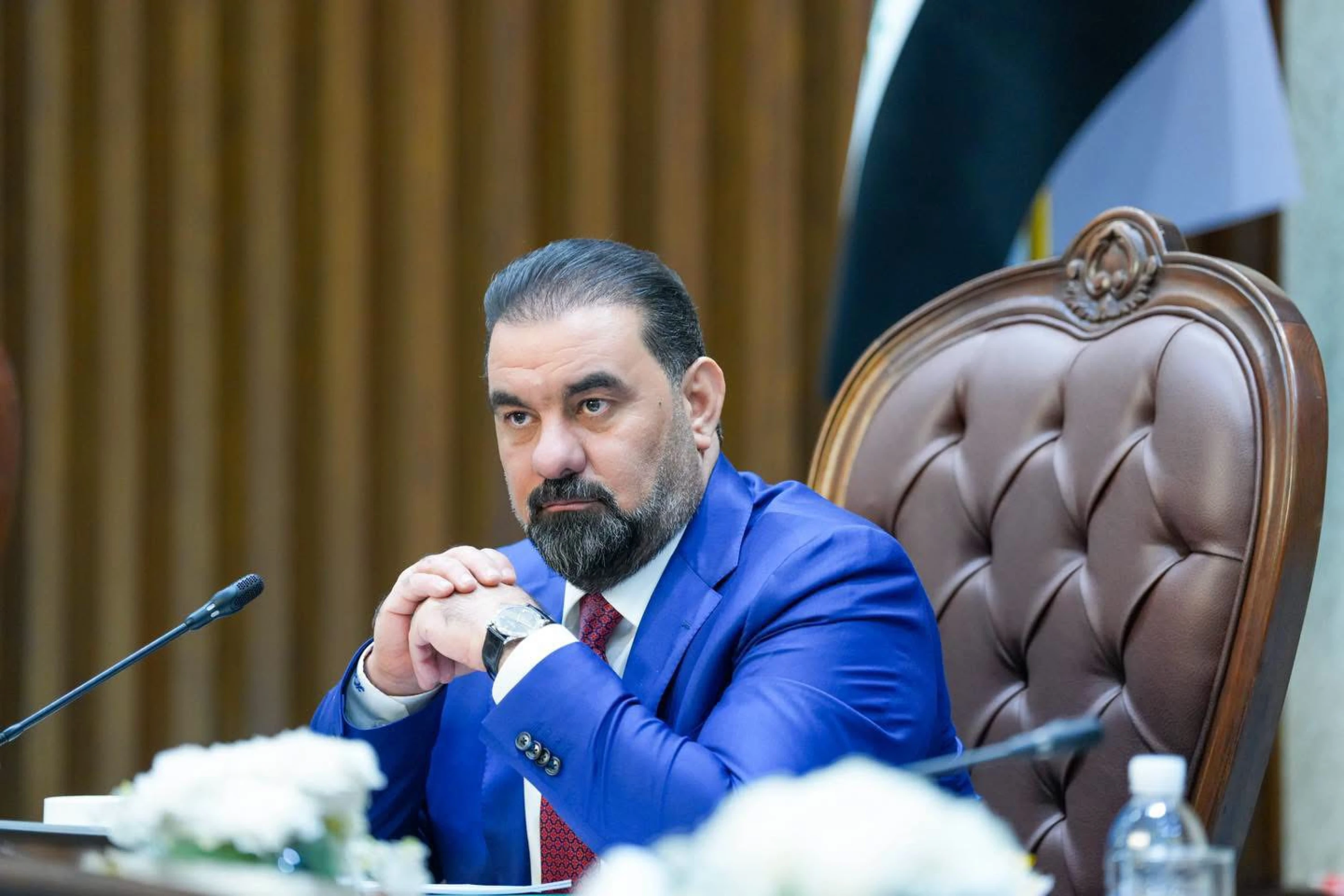
In a statement late Monday, Kataib Hezbollah claimed that its intelligence had obtained information regarding Alwani’s killing, claiming that the murder was “carried out on the orders of Haibat al-Halbousi, in agreement with the Syrian intelligence chief Abdul Qader al-Tahhan.”
Tahhan is Syrian security and military official who played a key role in the rebel offensive which led to the fall of Bashar al-Assad in late 2024. He has held several roles in the new Syrian government, most recently being appointed head of the General Intelligence Service in July.
KH alleged that the Iraqi parliament speaker had “sent an advance payment of $15 million, with the remaining amount to be paid after the operation [assassination] was completed.”
The militia group claimed that the perpetrators were supposed to kill Alwani by injecting him with a poisonous substance, however, “because the poison proved ineffective, the perpetrators resorted to strangling him with ropes.”
Having landed in Beirut the week prior, Alwani was captured on CCTV footage “voluntarily arriving with two other people at the building where his body was found,” the Lebanese judicial official told AFP, adding that the two Syrian suspects are believed to have taken him from the airport to the Sunni-majority area of west Beirut after he arrived on a flight from Erbil.
The KH statement further accused Halbousi of pressuring the swift return of Alwani’s body from Beirut, and later expediting his burial without an autopsy, noting that Alwani’s family “has leads that will connect them to the perpetrator, as they know that the victim was lured by someone they know well.”
In a statement on November 11, Halbousi expressed “profound sadness and sorrow” over Alwani’s death, extending condolences to his family and loved ones, and stressing the importance of completing the investigations into the case.
“As we closely follow the details surrounding the incident, we emphasise the importance of completing the investigations and ensuring coordination between the relevant Iraqi and Lebanese authorities to uncover the truth of what transpired and determine legal responsibilities in accordance with the law,” said Halbousi.
The accusation from Kataib Hezbollah comes amid heightening tensions between the faction and the Iraqi government over a major oil smuggling scandal in the Kataib Hezbollah-controlled Jurf al-Nasr in Babil province.
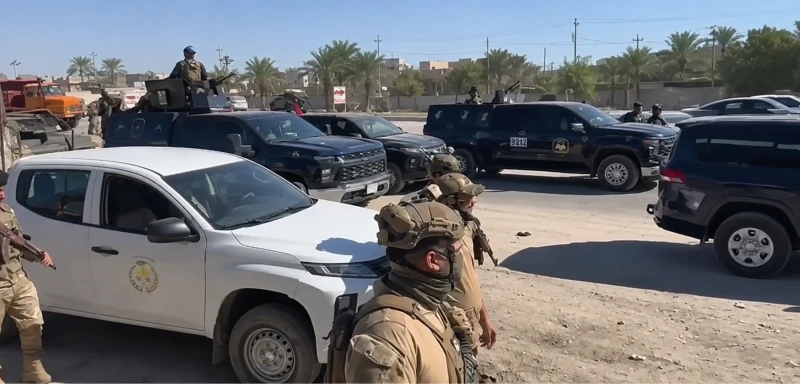
Pro-Iran Shiite political leaders are seeking to prevent a potential military escalation between Kataib Hezbollah and the government, as the Iraqi army is preparing to enter Jurf al-Nasr and has set a deadline for the faction to withdraw from the town, which reportedly expires on Friday.
Hailing from Anbar province, Alwani served in parliament between 2005 and 2014 as a representative of the Iraqi National List, a secular coalition led by former Prime Minister Ayad Allawi.
Alwani was a prominent figure in Sunni-led protests against the Iraqi government in 2013, and was arrested and sentenced to death the year after he was charged with the killing of two Iraqi soldiers during a raid on his house in Ramadi.
He was acquitted of all charges in 2025 and released from prison following 11 years of incarceration.
 Facebook
 LinkedIn
 Telegram
 X