ERBIL, Kurdistan Region of Iraq – A high-level meeting is set to be held Monday to reassess recent fuel price changes in the Kurdistan Region, a source at the Region's natural resources ministry said Sunday, explaining that a proposal to raise the prices of Improved and Super petrol by 300 Iraqi dinars per liter is expected to be reviewed.
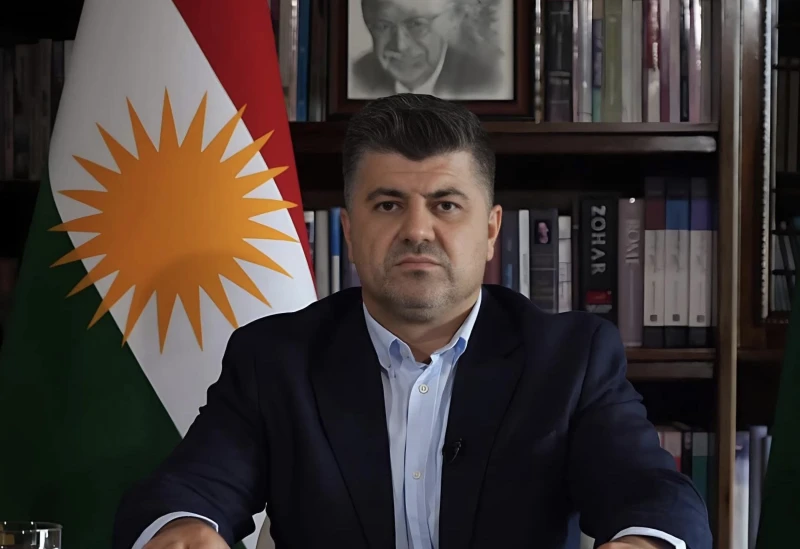
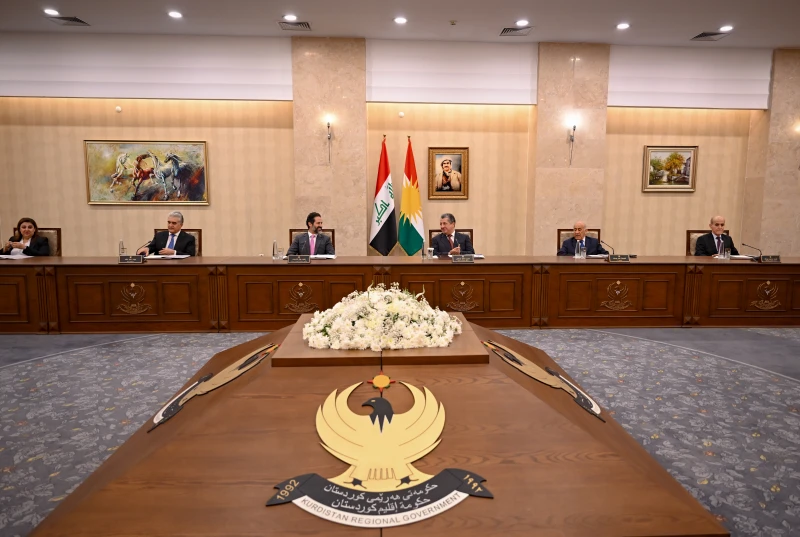
Earlier on Sunday, the Kurdistan Regional Government (KRG) held a high-level meeting to tackle fuel shortages and rising gasoline prices, with officials working to resolve the issue “as soon as possible,” KRG spokesperson Peshawa Hawramani told The New Region.
Sunday's meeting was held to implement a decision made during an earlier KRG cabinet session to reduce fuel prices and increase supply to meet domestic demand. It included ministers, governors, district administrators, representatives of the council overseeing petrol stations, and other relevant parties.
A source from the natural resources ministry told The New Region on Sunday that another high-level meeting is scheduled for Monday to review proposals to adjust fuel prices proportionate to the cost of importing materials used to produce Improved and Super gasoline.
The ministry is assessing potential price adjustments for Improved and Super gasoline to ensure higher costs do not become a burden on the private sector and allow importers to continue importing and selling fuel, the source said.
The proposals include raising the prices of both Improved and Super gasoline by 300 Iraqi dinars per liter, the source explained. Based on the proposal, Super gasoline would rise to 1,500 Iraqi dinars per liter, while Improved gasoline would increase to 1,300 Iraqi dinars per liter.
Under the KRG cabinet's latest directive, “Normal” gasoline must be sold for a maximum of 850 Iraqi dinars per liter, “Improved” fuel for 1,000 dinars, and “Super” fuel for 1,200 dinars. Subsidized “Normal” gasoline will remain priced at 750 dinars per liter.
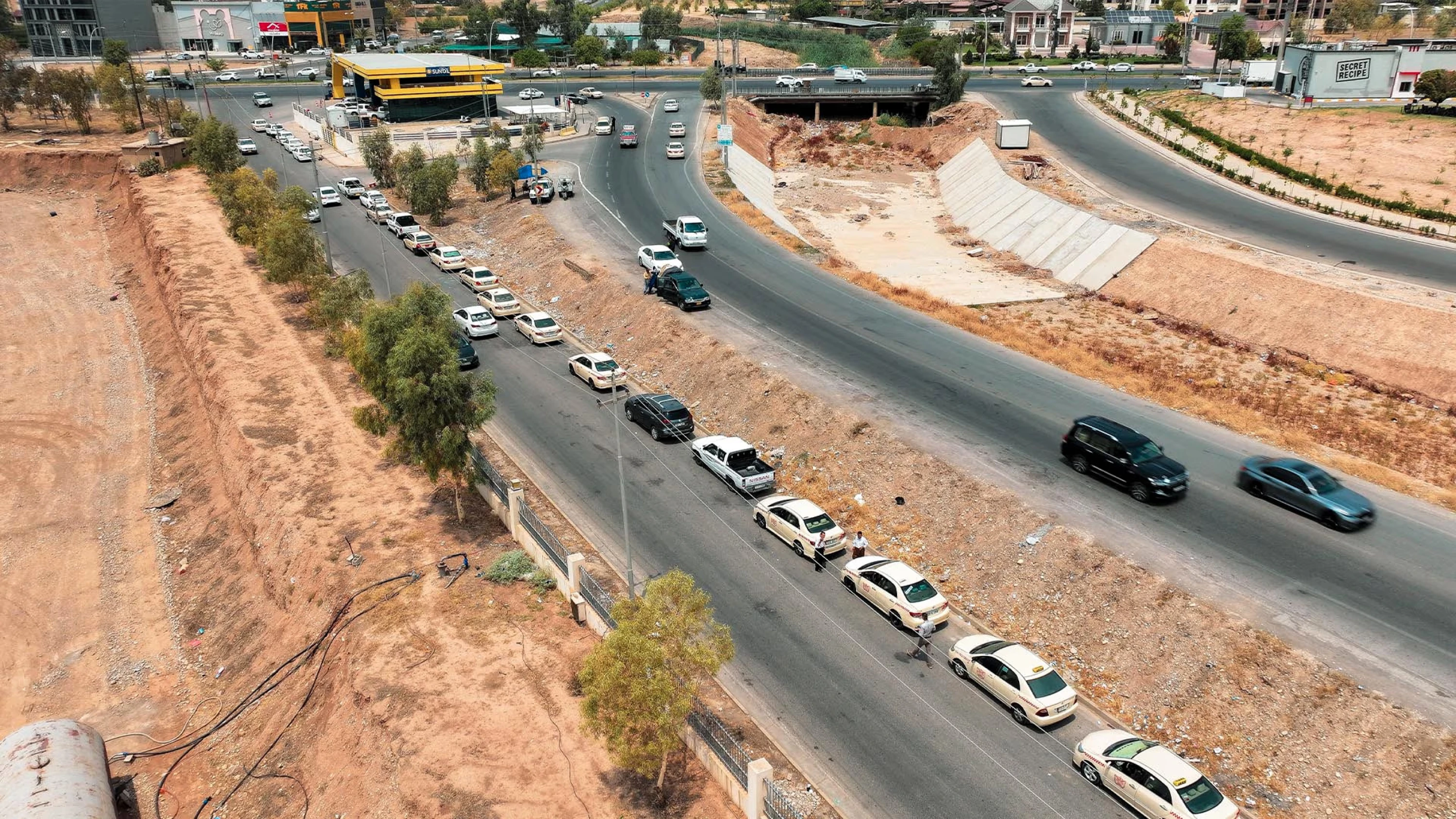
Gasoline prices have risen across the Kurdistan Region amid the renewed regional conflict, driven by shortages and higher costs of materials needed to produce “Improved” and “Super” fuel, resulting in reduced supply and higher prices at stations.
The New Region understands that several proposals and directives have been prepared ahead of a final decision to resolve fuel shortages and long queues at petrol stations in the coming days, while ensuring the government's price reduction policy is implemented without causing losses to station operators.
Petrol stations in the Kurdistan Region sell three grades of gasoline: “Normal,” the standard grade, along with higher-octane “Improved” and “Super” fuel. Some government-affiliated stations also sell subsidized “Normal” fuel.
Before the directive took effect, a liter of commercial “Normal” fuel had risen to as much as 1,220 Iraqi dinars - higher than the newly capped price for premium-grade gasoline.
All fuel grades are also required to meet KRG quality standards. Besides damaging vehicles, poor-quality fuel has been one of the factors contributing to worsening pollution across the Kurdistan Region and Iraq.
Fuel prices in the Kurdistan Region have steadily increased since 2016, when exporting countries began raising prices following a prolonged period of historically low global crude oil prices.
Recent regional tensions have further pushed up prices after Iran closed the Strait of Hormuz - a strategic waterway through which roughly 20 percent of the world's oil passes - during its conflict with the United States and Israel.
 Facebook
 LinkedIn
 Telegram
 X
X