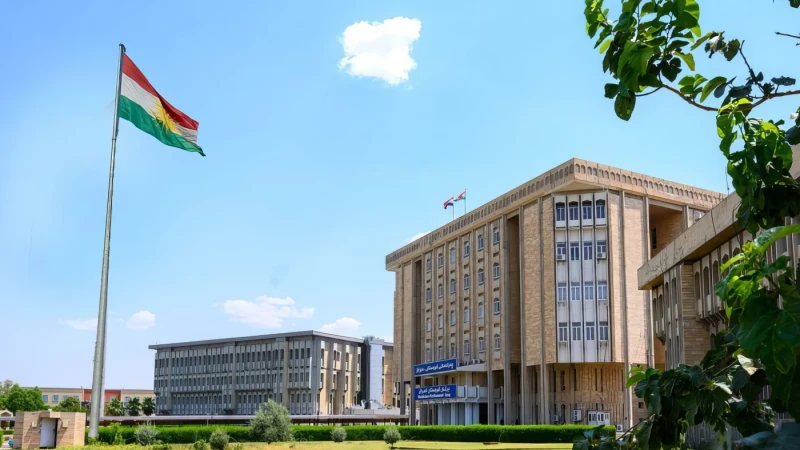
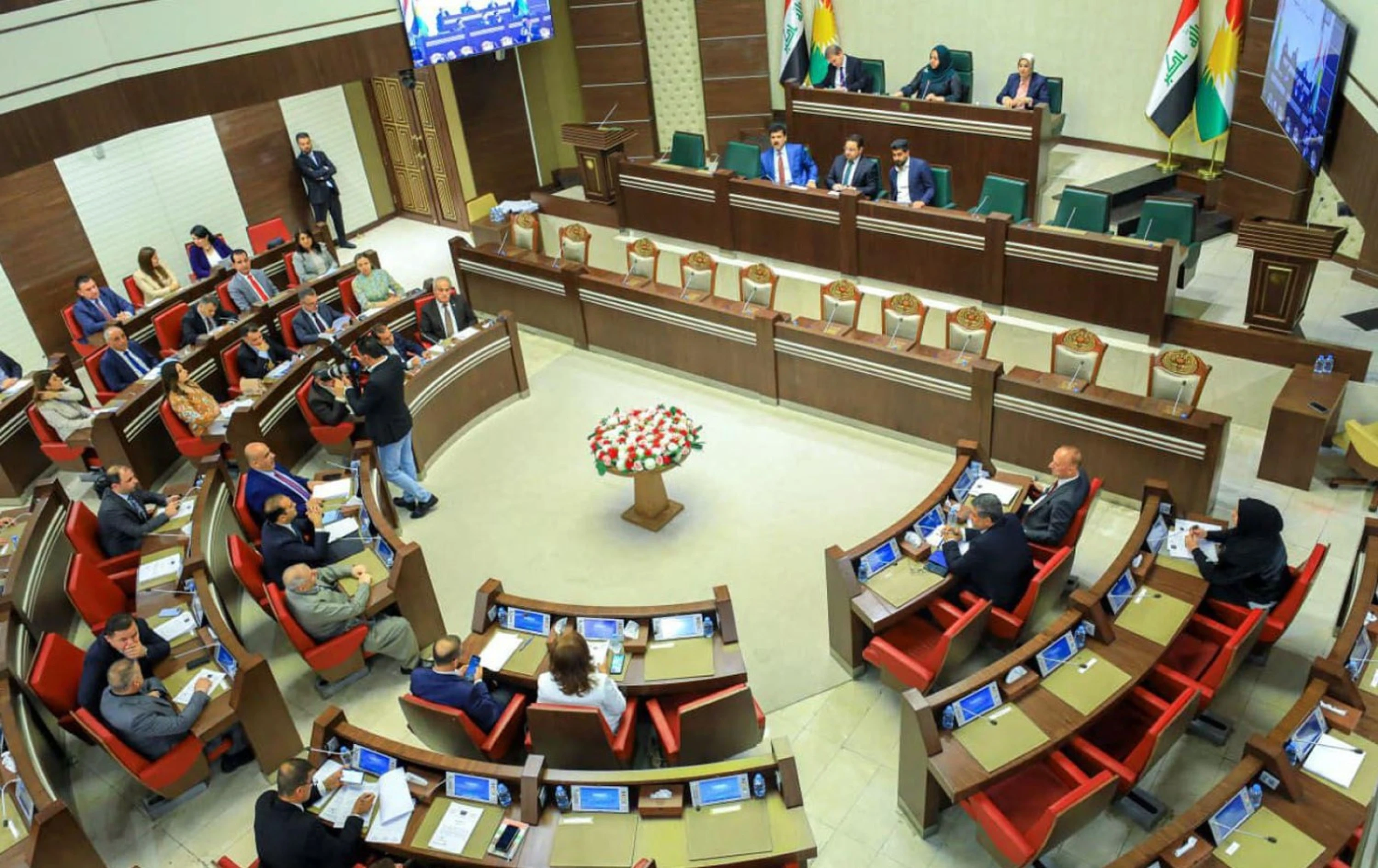
ERBIL, Kurdistan Region of Iraq – The Diwan of the Kurdistan parliament has called on lawmakers to attend a session on Wednesday, the legislature’s first in nearly two years, but the sitting now faces a potential collapse as several parties have announced their intention to boycott.
The Kurdistan Region’s ruling Kurdistan Democratic Party (KDP) and several other blocs in the Kurdistan parliament on Tuesday called on other blocs to attend a parliamentary session set for 11 am Wednesday, seeking to reactivate the legislature after a two-year hiatus.
“More than two years have passed since the elections for the sixth cycle of the Kurdistan parliament, yet the parliament is unfortunately still not functioning and has been unable to carry out its legal and oversight duties within the Kurdistan Region’s system of governance,” Vala Fareed, head of the KDP bloc, told a presser.
In addition to the KDP’s 39 MPs, two of the parliament’s three Christian representatives and one of two Turkmen representatives also urged all blocs to attend the Wednesday session. Other parties that have expressed willingness to convene are the People's Front (Baray Gal) and the Kurdistan Social Democratic Party.
The parties that have declared their willingness to attend the session hold 47 seats in the legislature combined. There must be at least 51 lawmakers for legal quorum to be established; anything less means the session cannot be held.
Several parties, including the Patriotic Union of Kurdistan (PUK), have said they will not attend the session, calling it an attempt to “impose one party's will,” and urging the other blocs to boycott as well.
The New Generation Movement, the National Stance (Halwest) Movement, the Kurdistan Justice Group (Komal), The Kurdistan Islamic Union (KIU), and the Christian and Turkmen representatives linked with the PUK have also announced their intention to boycott the session.
The PUK is the KDP’s main rival and the two traditionally rule the government together.
The Kurdistan Region held parliamentary elections on October 20, 2024, and the elected lawmakers were sworn in during a session in December of that year. However, subsequent attempts to convene parliament have failed because the required legal quorum was not met.
The KDP and its leadership have repeatedly called for parliament to resume its work.
Kurdistan Region Prime Minister and deputy head of the KDP Masrour Barzani has repeatedly called on parliament members to convene, labeling the failure to hold the session as “avoiding responsibility.”
The KDP and the Patriotic Union of Kurdistan (PUK) emerged as the two largest parties in the elections, winning 39 and 23 seats respectively. However, negotiations to form the next cabinet have repeatedly stalled, with the two parties blaming each other for the impasse.
The KDP and PUK have held several meetings since the elections to reach an agreement on forming the next cabinet. A major sticking point remains the distribution of senior government positions and sovereign ministries, particularly the Ministry of Interior, which the PUK is seeking.
 Facebook
 LinkedIn
 Telegram
 X