
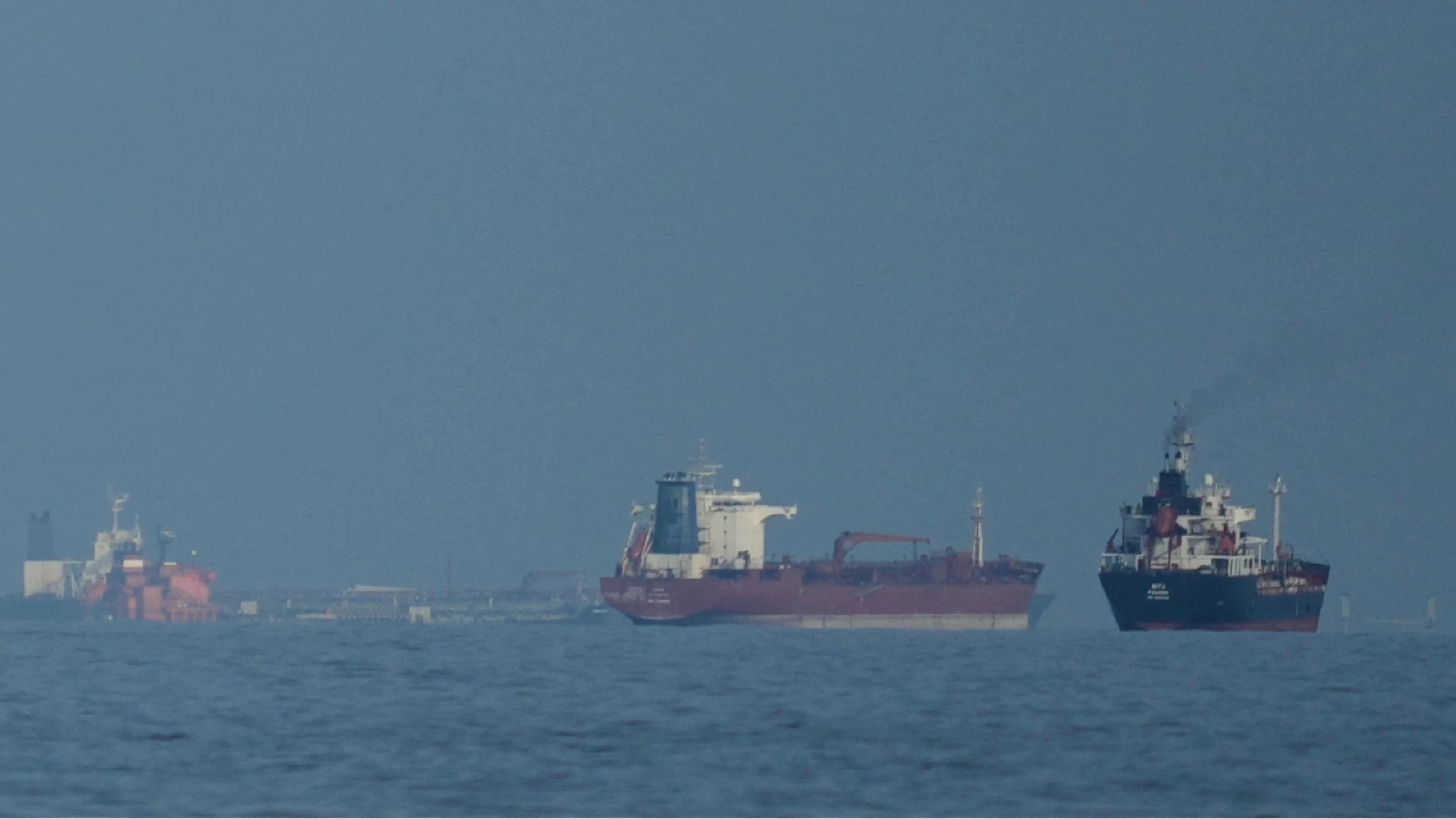
ERBIL, Kurdistan Region of Iraq – Six ships allegedly attempted to transit the southern part of the Strait of Hormuz in the early hours of Monday using an “illegal route” with their transponders off, Iranian state media reported, adding that one of them “had an accident” while the rest were returned to the Persian Gulf.
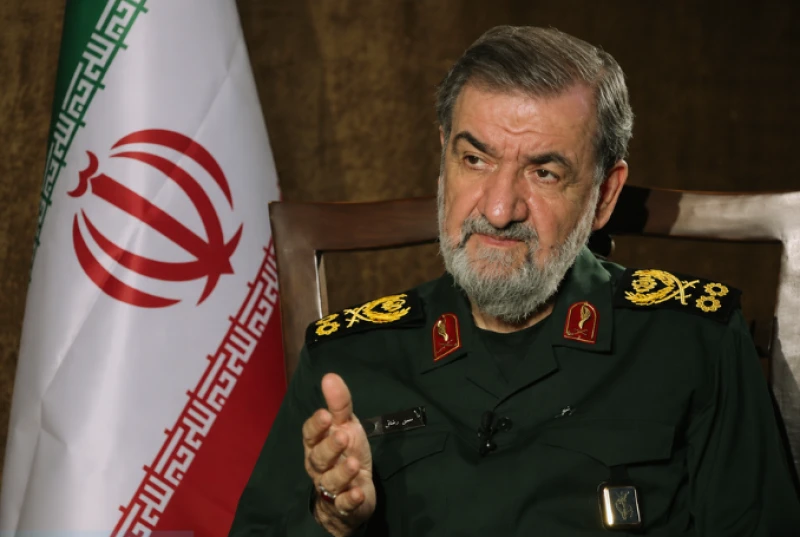
“Offending ships, by turning off their navigation and positioning systems and also by inciting the child-killing and terrorist army of America, intended to pass through the illegal and unsafe route south of the Strait of Hormuz, one of which had an accident and the rest were returned to the Persian Gulf under Iran's decisive management,” an Islamic Revolutionary Guard Corps (IRGC) source told state media.
Iranian authorities have repeatedly stressed Tehran's right to maintain control over the vital waterway in cooperation with coastal Oman, a proposition that Washington has repeatedly rejected, insisting on a greater role in overseeing the waterway and the free passage of ships.
The fifth clause of the US-Iran agreement reached in mid-June to establish a permanent truce and reopen the Strait of Hormuz required Iran to make arrangements “using its best efforts” to ensure the free passage of commercial vessels at no cost for 60 days. It also stipulated that Iran would define future administrative measures for the strait in coordination with Oman.
However, hostilities between Tehran and Washington resumed just 21 days after the agreement was signed.
In late June, Tehran and Muscat announced the formation of a joint working group to determine future administrative arrangements for the Strait of Hormuz, including discussions on the “costs associated” with commercial transit through the waterway amid reports of a potential tolling mechanism.
Iran and Oman have held several rounds of talks on managing shipping through the strait this week, discussing mechanisms to ensure safe maritime traffic while respecting the sovereign rights of the two coastal states, Iranian foreign ministry spokesperson Esmail Baghaei said on Sunday.
Washington has repeatedly opposed any proposal to impose transit fees. In late May, US President Donald Trump said Oman “will behave just like everybody else or we'll have to blow them up,” when asked about joint Iranian-Omani control over the Strait of Hormuz.
 Facebook
 LinkedIn
 Telegram
 X
X