ERBIL, Kurdistan Region of Iraq - The United States and Saudi Arabia launched “precision strikes” targeting pro-Iran armed factions in several provinces in Iraq in the early hours of Wednesday, marking the first publicized Saudi involvement in the attacks, coming after Riyadh accused the factions of launching attacks against the country for two consecutive days.
At least 10 people members of the Popular Mobilization Forces (PMF), a state-linked but Iran-backed paramilitary umbrella group, were killed in the strikes, according to initial PMF reports.
The Saudi defense ministry said late Tuesday that it intercepted numerous drones allegedly launched by pro-Iran militias in Iraq seeking to target oil infrastructure, calling on Baghdad “to take all necessary steps” to prevent further attacks, while emphasizing “the Kingdom's inherent right to defend itself and its assets and its right to respond at the appropriate time and place.”
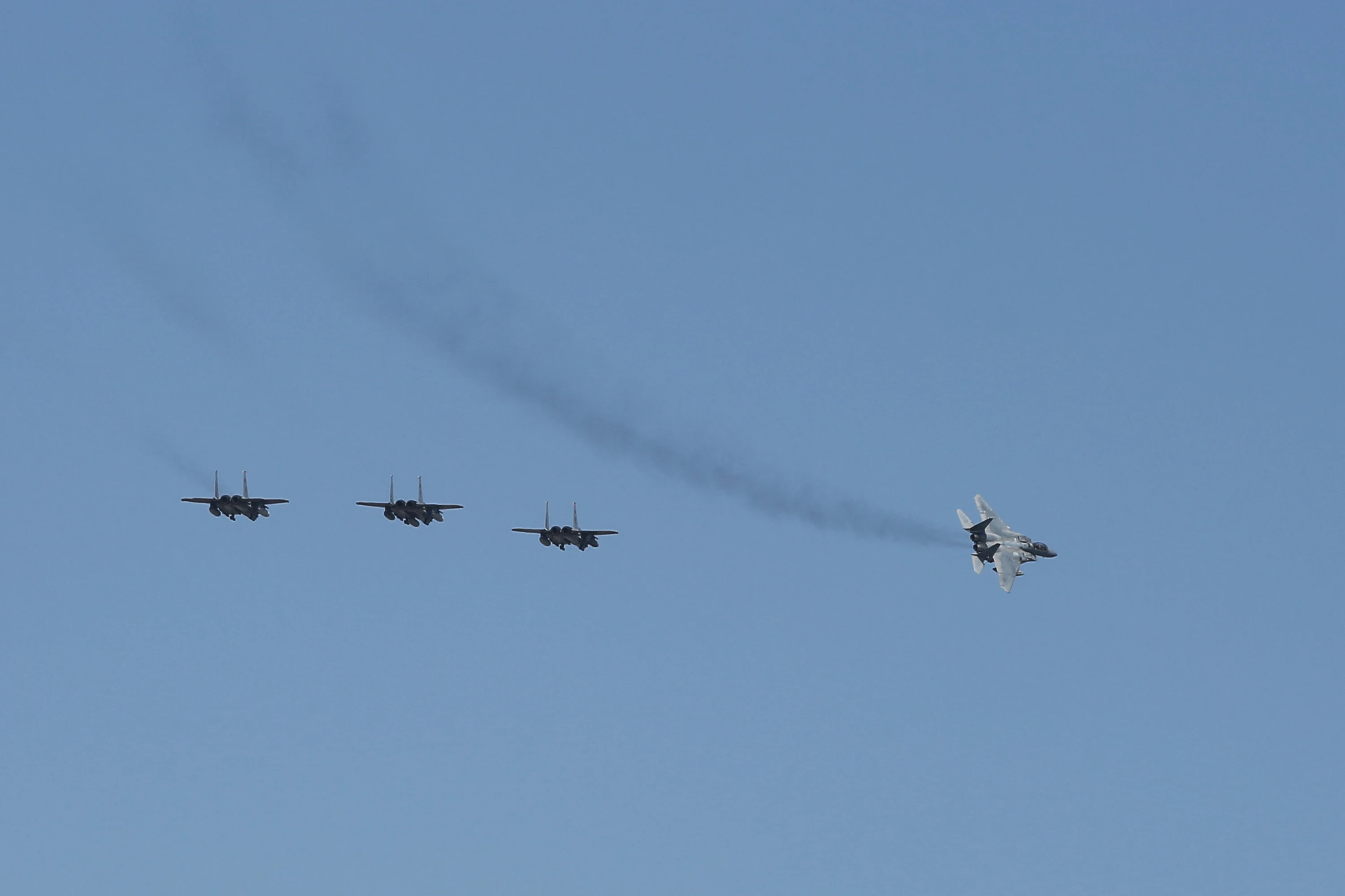
Hours later, the ministry announced that, line with Saudi Arabia’s right to self-defense, its armed forces, in coordination with US Central Command (CENTCOM), had carried out “precise and targeted strikes against targets belonging to those militias located on the territory of the Republic of Iraq and linked to the attacks on petroleum facilities in the Kingdom.”
“The Kingdom emphasizes that it does not seek escalation but will respond to any aggression it faces,” the ministry stated.
The US-Saudi strikes targeted “Iran-aligned terrorists that the Islamic Revolutionary Guard Corps (IRGC) directed to attack US forces and Saudi energy infrastructure,” according to a statement from CENTCOM.
“US and Saudi fighter aircraft struck multiple terrorist logistics and weapons sites across eastern Iraq in a strong response to over 30 IRGC-directed aerial drone attacks in the last 72 hours,” the statement added.
Media affiliated with the Iraqi factions soon confirmed several attacks had targeted PMF bases in the provinces of Basra, Wasit, Karbala, and Diyala, as well as Nineveh, Kirkuk, and Salahaddin.
The Popular Mobilization Commission (PMC), the offical government body overseeing the PMF, said in a statement that “various parts of Iraq were subjected to treacherous terrorist attacks launched by US and Saudi forces,” resulting in an unidentified number of casualties.
“We consider this targeting a highly dangerous escalation, a violation of Iraqi sovereignty, and an attack on its official security institutions,” said the PMC
In an initial statement, the Basra PMF Operations Command reported that at least two of its members were injured in the attacks.
The Nineveh PMF Operations Command said in a statement that two of its bases were targeted in the attacks, killing at least 10 fighters and injuring six others.
Pro-Iran Iraqi militias conducted more than 600 attempted attacks targeting American personnel between February and April, CENTCOM said, threatening the IRGC and its alleged proxies to “cease these attacks to avoid further US military response.”
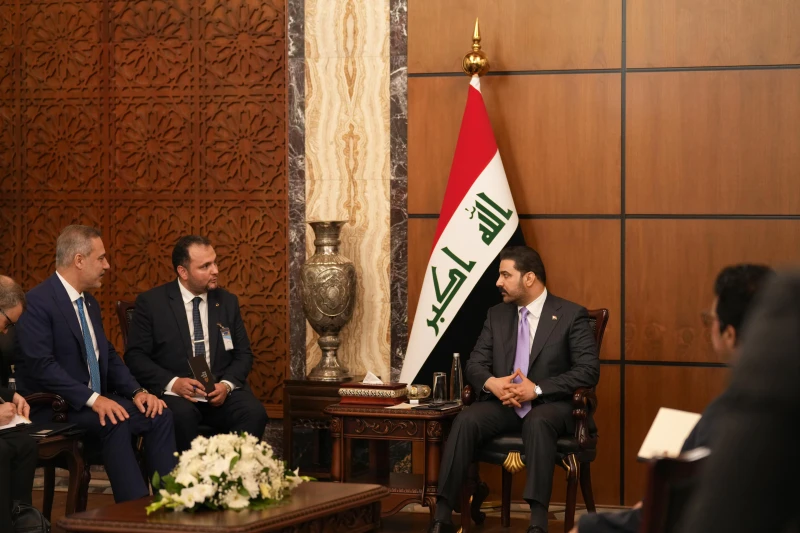
The US-Saudi attacks come a day before Iraqi Prime Minister Ali al-Zaidi’s scheduled official trip to Saudi Arabia.
Zaidi on Monday ordered an investigation into the attacks, coming as his government has set to clamp down on non-state armed groups in the country that have often threatened Baghdad's relations with regional neighbors.
Since assuming office, the businessman-turned-premier has imposed policies seeking to restrict weapons to the hands of the state and set a deadline for armed groups to accede to these demands by the end of September.
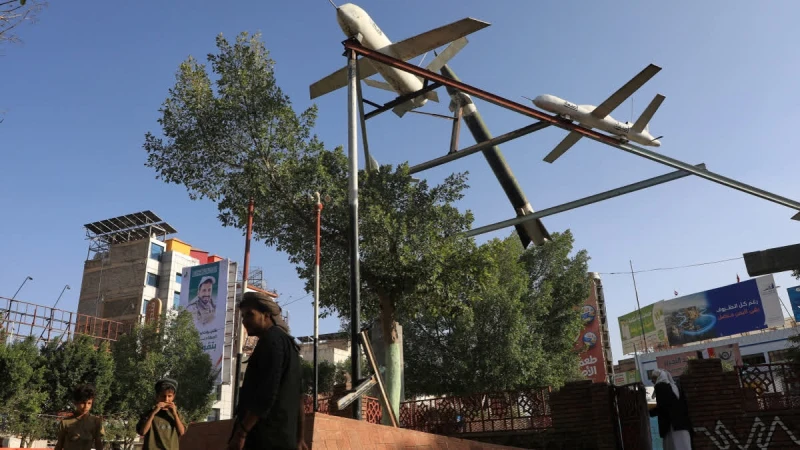
Riyadh has found itself increasingly involved in the regional turmoil catalyzed by US-Iran hostilities, with Yemen's Houthi rebels having recently announced a maritime blockade of Saudi vessels transiting the Red Sea, thus threatening a key oil export route that has allayed the impact of the Strait of Hormuz's closure.
 Facebook
 LinkedIn
 Telegram
 X
X