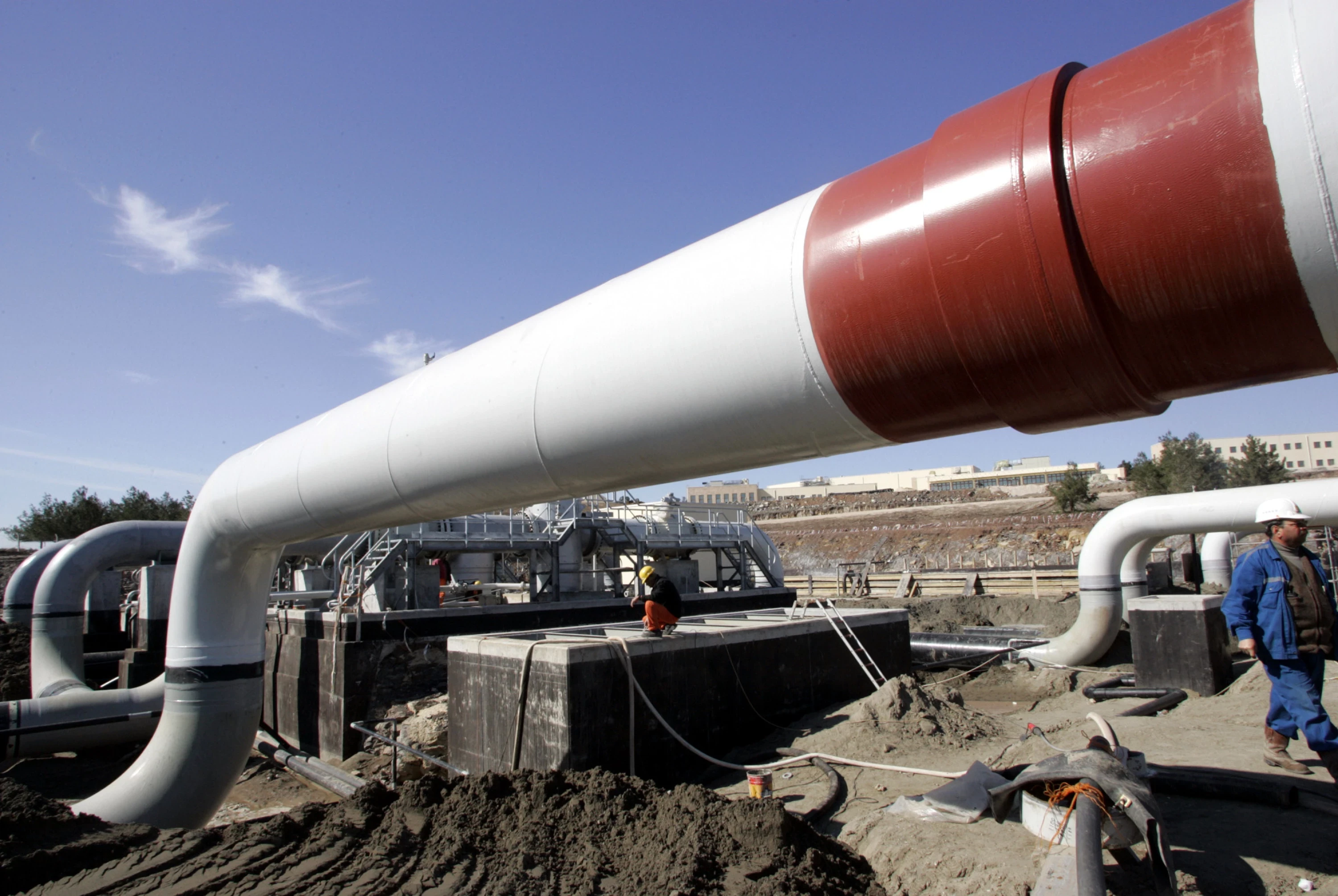
ERBIL, Kurdistan Region of Iraq – A new pipeline transporting Iraqi oil from Basra to Turkey’s Ceyhan port is expected to be completed in three years, the oil ministry told The New Region, coming a day after the two countries signed an agreement to continue exports through the Ceyhan pipeline.
Iraq and Turkey signed a one-year agreement to transport 750,000 barrels of Iraq’s oil through the Ceyhan pipeline daily, the oil ministry announced on Saturday, as the country looks to diversify export channels due to the closure of the Strait of Hormuz.
The agreement was signed between Iraqi Oil Minister Basim Mohammed Khudair and Turkish Minister of Energy and Natural Resources Alparslan Bayraktar. Both sides affirmed that they will work on a long-term agreement.
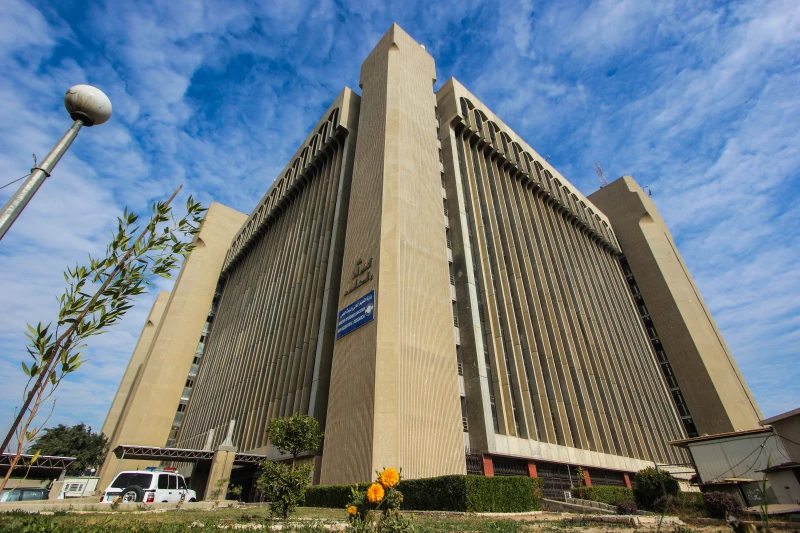
Oil ministry spokesperson Salim al-Rikabi told The New Region on Sunday that a new pipeline from Basra to Ceyhan is expected to be completed in three years or less.
“This pipeline will extend from Basra to Haditha, and from there to Kirkuk, and then on to Ceyhan, and it is a new pipeline,” Rikabi said, adding, “The expected timeframe for its completion is three years, and it may be less depending on security, logistical, economic, and other factors.”
In the meantime, the already existing pipeline will be put to use and is currently in its testing stages, according to the spokesman.
Iran has closed the Strait of Hormuz, a key waterway responsible for the transport of roughly 20 percent of the world’s oil, amid its conflict with the US and Israel, leading to a major blow to Iraq’s economy.
Iraqi oil exports plummeted by over 80 percent after the strait’s closure, going from nearly 100 million barrels in February down to 18.6 million barrels in March at the height of the conflict.
As a result, Baghdad has sought alternative long-term measures to ensure its export stability, both by increasing exports to the Ceyhan port and through transporting truckloads of oil to the Syrian port of Baniyas.
Oil revenues in March were just shy of $2 billion, compared to the $6 billion brought in just a month earlier, according to data from the oil ministry, with the US-Israeli campaign having been launched on February 28.
In May and June, Iraq exported 32.1 million barrels of oil, generating a total revenue of $2.3 billion.
 Facebook
 LinkedIn
 Telegram
 X
X