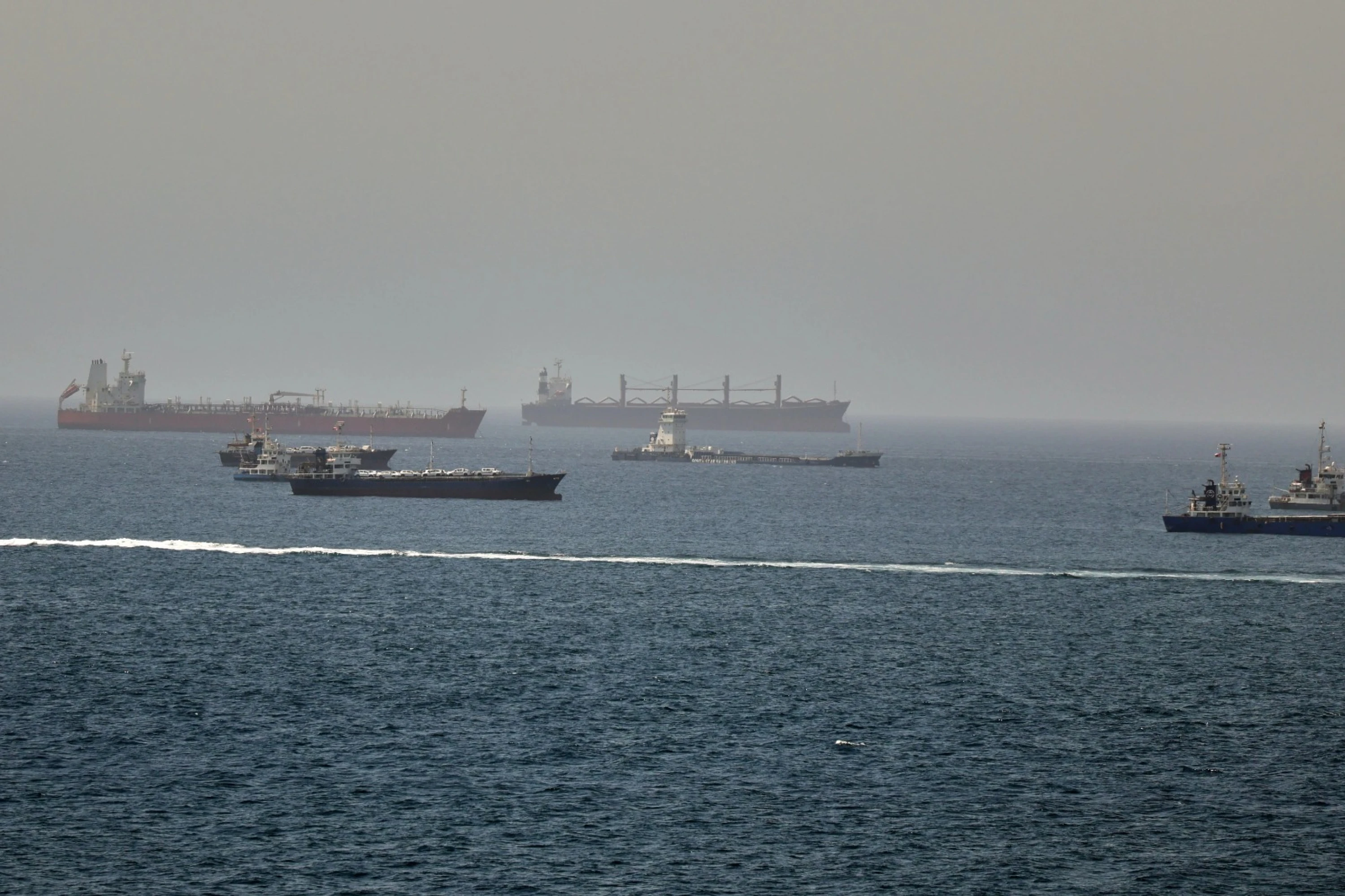
ERBIL, Kurdistan Region of Iraq – Iran said Sunday that negotiations with Oman over shipping management in the Strait of Hormuz are entering their final stages, while warning that transit through the strategic waterway "will never return to the pre-war situation."
US President Donald Trump on Saturday said additional strikes on Iran had been put on hold, citing the possibility of a deal between the sides after Tehran and several regional countries allegedly asked Washington to halt the attacks.
A potential deal would include the “Immediate, Complete, and Total OPENING OF THE HORMUZ STRAIT, and an end to Iran’s nuclear threat,” Trump said.
“The situation in the Strait of Hormuz will never return to the pre-war situation,” Iranian foreign ministry spokesperson Esmail Baghaei said on Sunday, speaking to the state broadcaster IRIB.
Iranian Foreign Minister Abbas Araghchi earlier on Sunday said that negotiations between Iran and Oman were "on the way to being finalized and are entering their final stages," state media reported, as several rounds of talks have been held between Muscat and Tehran on the matter.
However, Baghaei said that Tehran’s talks with Muscat “have nothing to do with the opening or closing of the Strait of Hormuz,” but noted that Tehran will not back down from its positions “due to threats and media pressure.”
The developments come after Reuters reported on Wednesday that Iran had rejected Oman's alleged proposal for joint regional management of the Strait of Hormuz, citing a senior Iranian official who said Tehran insists that only the two countries should manage the strategic waterway.
“Future management of the Strait of Hormuz will be carried out with Iran and in consultation with Oman,” Baghaei said.
In late June, Tehran and Muscat announced the formation of a joint working group to determine future administrative arrangements for the waterway, including discussions on the “costs associated” with commercial transit through the strait.
Iranian authorities have repeatedly stressed Tehran's right to maintain control over the vital waterway in cooperation with coastal Oman, a proposition that Washington has repeatedly rejected, insisting on a greater role in overseeing the waterway and the free passage of ships.
On June 17, Trump and his Iranian counterpart Masoud Pezeshkian digitally signed a memorandum of understanding (MoU) to bring the months-long conflict to an end. The accord granted the two sides a 60-day window to negotiate a final and permanent settlement.
The renewed hostilities kicked off only 21 days after the MoU was inked.
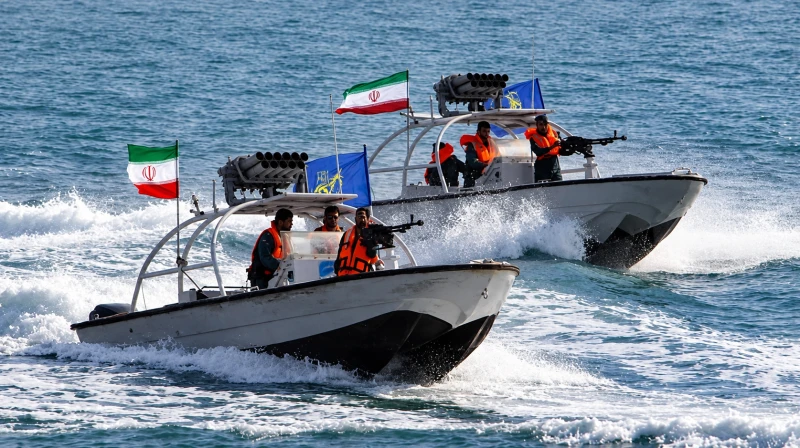
Washington’s rhetoric comes amid increased US frustration with Iranian attacks on commercial transit in the strategic waterway, with such strikes having served as the casus belli that triggered renewed US bombardment of Iran and the rupture of their bilateral deal.
 Facebook
 LinkedIn
 Telegram
 X
X