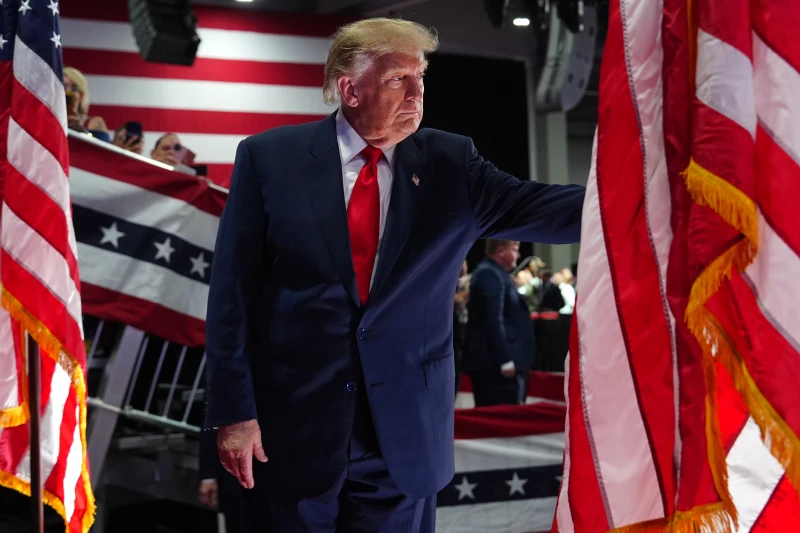
ERBIL, Kurdistan Region of Iraq - US President Donald Trump on Monday said that Iranian demands for compensation for wartime damage were "never mentioned in any of our negotiations," adding that he has now instructed representatives to demand reparations for US soldiers killed by Iranian-made roadside bombs during the occupation of Iraq.
"I see that Representatives of the Islamic Republic of Iran are asking for compensation for the damage done to them during the last five month Military Conflict (started because, THEY WILL NOT HAVE A NUCLEAR WEAPON), even though it was never mentioned in any of our negotiations or meetings!" Trump wrote on Truth Social.
"But it is an interesting idea because now I am likewise demanding compensation from Iran, for all of the people that they have killed and gravely wounded with their roadside bombs and many conflicts, for which they are famous, as led initially by General Soleimani, including the families of those killed on the USS Cole, and thousands of others killed in combat."
Following the US-led invasion of Iraq in 2003, Iraqi Shiite militias resisting the American military presence received extensive technical and material support from Tehran, with former chief of the Islamic Revolutionary Guard Corps (IRGC) Quds Force Qasem Soleimani - killed in a Trump-ordered airstrike in Baghdad in 2020 - having served as a key architect of the covert program.
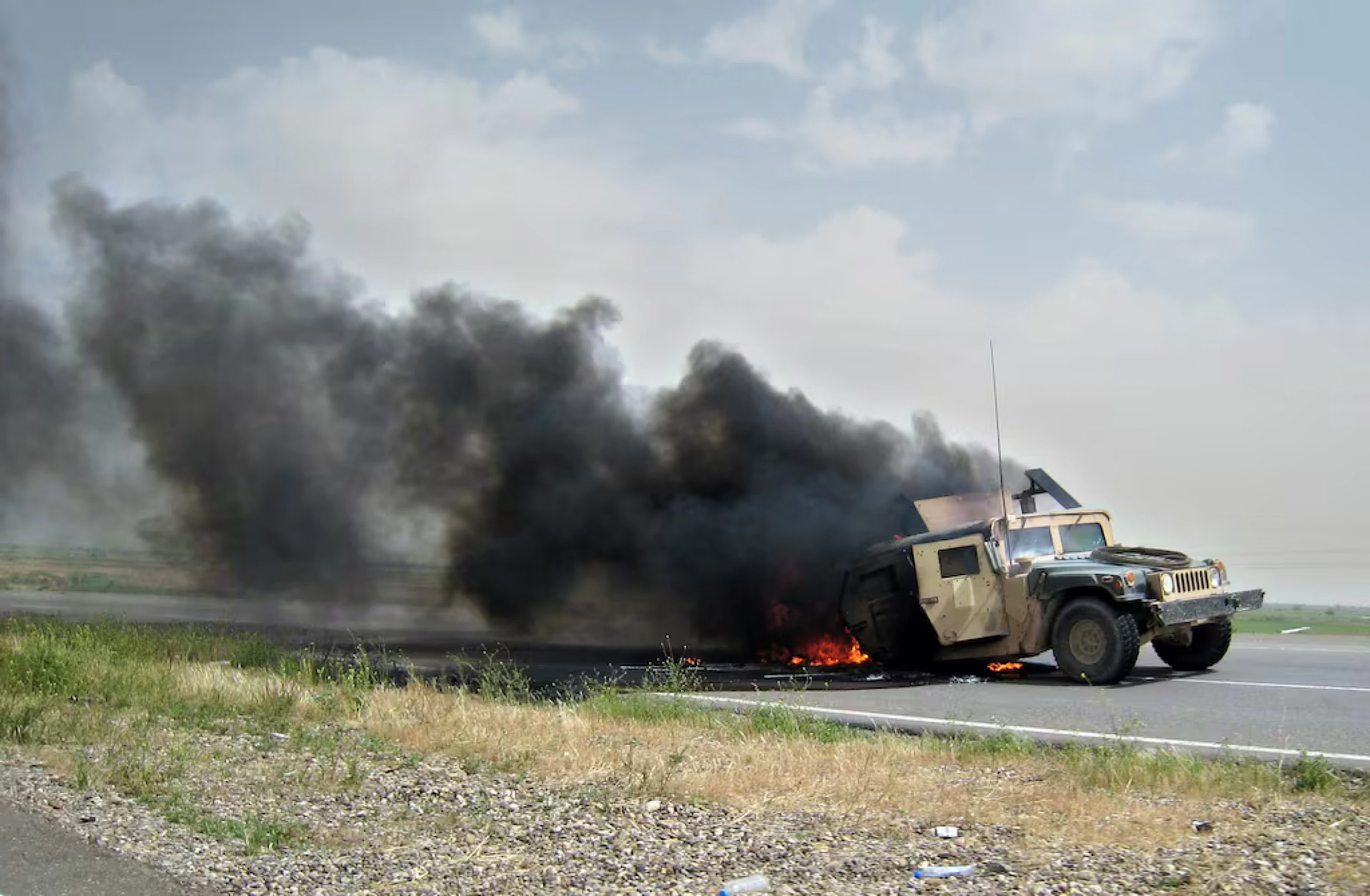
The introduction of explosively formed penetrator devices (EFPs) into the conflict by Iranian intelligence services proved devastating for US forces, with the shaped charges being capable of penetrating armored vehicles and being used to great effect by Iran-backed militants.
In contrast to traditional bombs that rely on producing a blast wave and multi-directional shrapnel, EFPs focus explosive energy into a fast-moving metal projectile to allow it to pierce through armor-plated vehicles.
A US congressional hearing in 2008 determined that "the vast majority of the [EFP] components... come from Iran," with the Congressional Research Service estimating that over 200 American military personnel were killed by the devices.
"Additionally, compensation should be paid to the families of the hundreds of thousands of innocent protestors that Iran has killed over the last 50 years, not to mention the 52,000 that have been killed in the last five months," the US president continued in his Monday post.
"I have instructed my representatives to put this firmly into any, and all, future negotiations," he concluded.
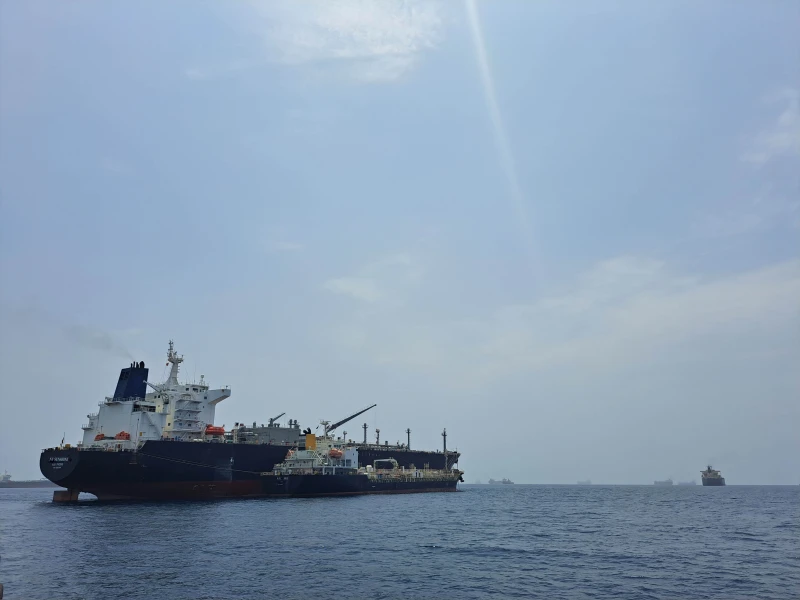
Negotiations between Washington and Tehran have trundled along stagnantly in recent months, with the Strait of Hormuz remaining under heavy restrictions as Iran and Oman finalize the details of a joint management framework.
The Trump administration has attempted to reiterate the necessity of disrupting Iranian nuclear ambitions amid widespread public discontent regarding the war's trajectory and the economic ramifications of the strategic waterway's closure, with wider regional effects of the conflict being seen in Saudi Arabia's flaring hostilities with Yemen's Iran-backed Houthis and pro-Iran militias in Iraq.
 Facebook
 LinkedIn
 Telegram
 X
X