ERBIL, Kurdistan Region of Iraq - Hezbollah on Saturday vowed to exact an "appropriate" response to Israeli airstrikes in Lebanon earlier in the day that drew widespread criticism from Lebanese authorities across the political spectrum, threatening Beirut's ongoing negotiations with Israel.
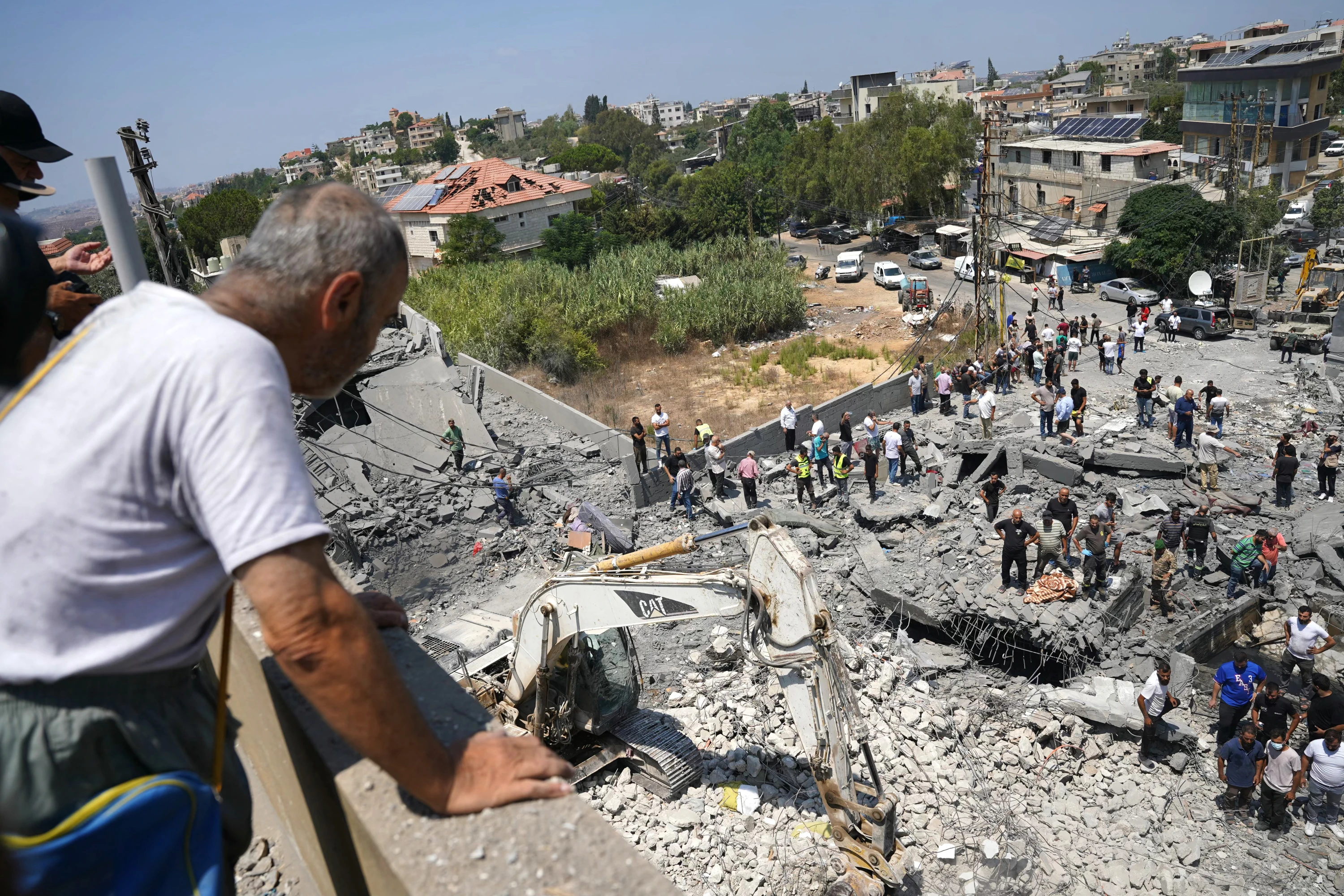
The Israeli military announced that it conducted strikes targeting "Hezbollah terror infrastructure" in Nabatieh and Ansar in southern Lebanon, with the Lebanese health ministry reporting that at least 11 were killed in total, including at least three children and two women.
"The seven martyrs of the Israeli strike on the village of Ansar are not 'military infrastructure' and the women and children who were killed are not military targets," said Lebanese Prime Minister Nawaf Salam, asserting that the bombardment is "extremely dangerous and undermines efforts to consolidate stability in the south."
Hezbollah, the Lebanese militant group against whom Israel has waged an extensive military campaign, issued a statement saying that Israel "must clearly understand that its attacks, violations and attempts to impose a fait accompli cannot continue, and will be met with an appropriate response."
The group reiterated its demand that Beirut halts negotiations with Israel, calling the dialogue a "humiliating path" that offers "free concessions" to their foe.
Talks between Lebanese and Israeli representatives began in April, with the ensuing seven rounds of negotiations having led to the announcement of a process whereby Lebanese state forces would assume control of certain Israeli-occupied territories in Lebanon dubbed "pilot zones."
However, Israel has rejected the prospect of a full-scale withdrawal and limited the pilot zones to areas outside of the so-called "security line" that runs roughly 10 kilometers deep into Lebanon from the Israeli border.
Lebanese President Joseph Aoun said that the Saturday strikes serve as a "clear message" of Israeli disregard for the negotiating process and hamper "American efforts aimed at implementing this agreement."
Parliament speaker Nabih Berri, head of the Hezbollah-aligned Amal Movement, called on "the sponsors of negotiations and ceasefire agreements to assume their responsibility and work to halt the genocidal war before it is too late."
Hezbollah leader Naim Qassem has repeatedly criticized the framework agreement with Israel, calling it a "humiliation, shame, and a surrender of sovereignty" in late June. Nevertheless, the Iran-backed group has not claimed any attack since a ceasefire with Israel took effect on June 20, with Israeli allegations of a Saturday provocation remaining unproven.
 Facebook
 LinkedIn
 Telegram
 X
X