ERBIL, Kurdistan Region of Iraq - The Kurdistan Region's interior minister on Thursday said that Erbil is in contact with Iran regarding the details of a recent drone attack on Kurdistan Region Prime Minister Masrour Barzani's office, noting that they are awaiting an "official explanation" from the Iranian side.
Kurdish counterterrorism forces on Monday said that two Iranian explosive-laden drones targeted Prime Minister Barzani’s office and the residence of the Region’s intelligence chief in Erbil province. The attacks caused no casualties and purportedly entailed the use of the advanced Hadid-110 unmanned aerial systems.
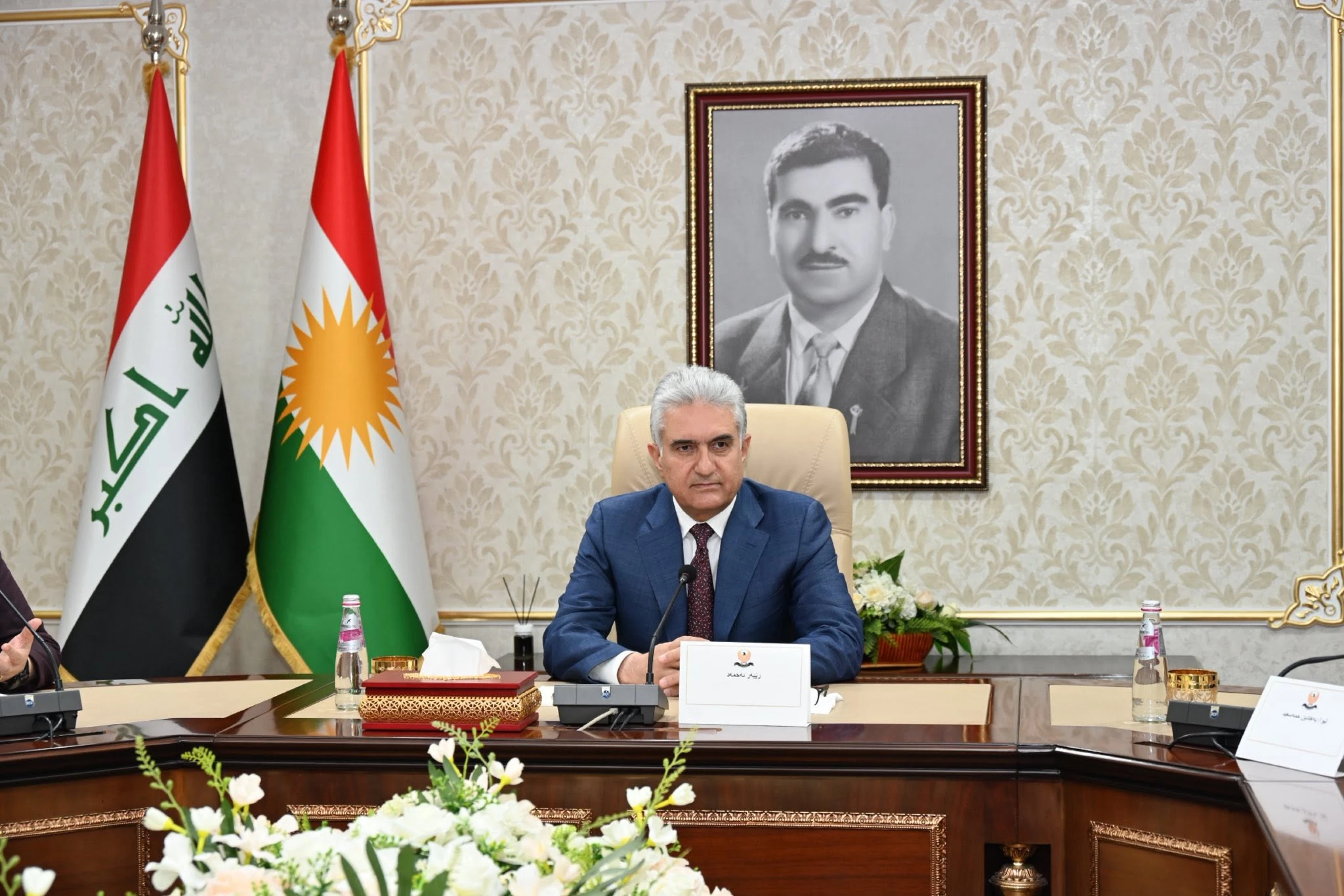
Speaking at a press conference, Kurdistan Region Interior Minister Rebar Ahmed said that "we have asked officials of the Islamic Republic of Iran to give us a convincing explanation for these steps," coming after Tehran denied any involvement and suggested the attack was a false-flag operation.
"At the same time, we are in communication with the [Iraqi] federal government. We are in communication with [Iraqi Prime Minister] Mr. Ali al-Zaidi, and security, military, and intelligence authorities. They [Iraqi authorities] contacted us on the day of the attack, expressing sympathy and support for the Kurdistan Region," Ahmed continued.
"This attack is far from any religious and human values and we hope it will not happen again."
The attack saw sweeping condemnation from Kurdish actors and Iraqi parties across the political spectrum, with the US, UK, and EU similarly having denounced the incident.
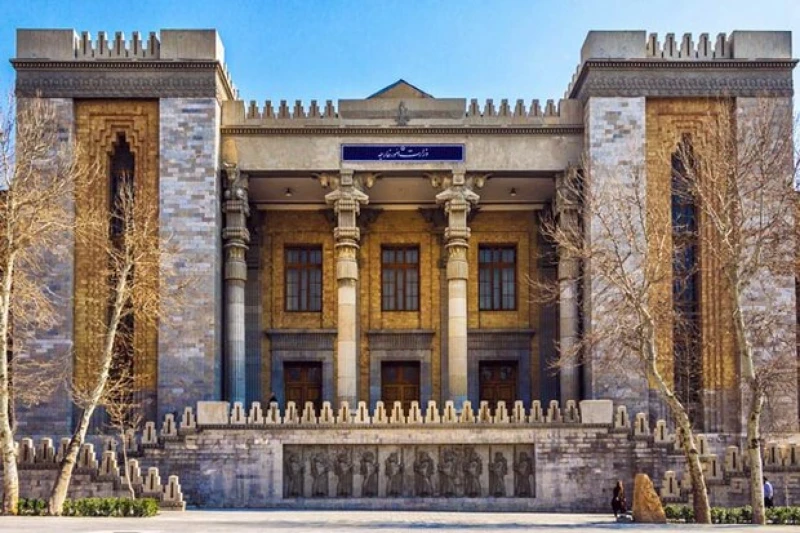
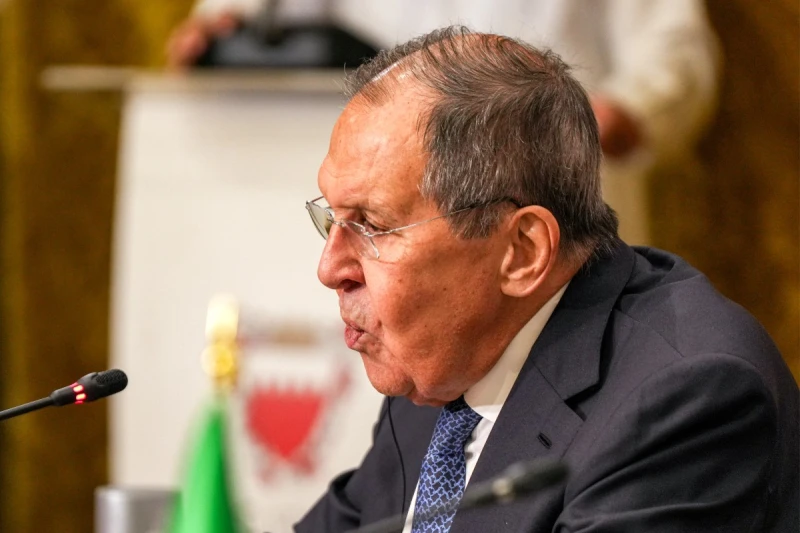
Zaidi ordered that an investigative committee be formed to ascertain details regarding the strikes, while Iraqi Foreign Minister Fuad Hussein called on Iran to "issue an official statement clarifying the Islamic Republic of Iran's position on the attack and the parties or reasons behind it" during a phone call with his Iranian counterpart Abbas Araghchi.
Responding to the incident and Erbil's accusations of Iranian involvement, Araghchi on Monday said that "nothing justifies the reckless attack," citing examples of Iranian support for Kurds during the rule of Baathist dictator Saddam Hussein and during the conflict with the Islamic State (ISIS).
"Kurdish friends should be vigilant against false-flag ploys to sow discord between neighbors," Araghchi wrote on X.
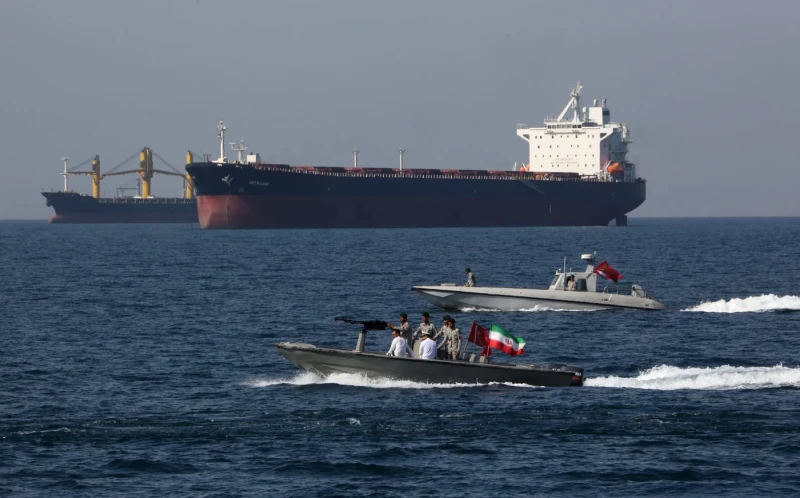
Iran and its Iraqi militia proxies have repeatedly bombarded the Kurdistan Region during the conflict with the US, citing the presence of US military forces and Iranian Kurdish opposition groups in the territory.
"There have been drone attacks on the Kurdistan Region on multiple occasions," Ahmed continued in his Thursday remarks. "There have been previous attacks on the headquarters of the Peshmerga forces, which have killed and wounded people. Civilians have been targeted, as well as security and official sites."
The minister also noted that the matter was brought up during meetings with Iranian parliament speaker Mohammad Bagher Ghalibaf's ongoing visit to Iraq, adding that Kurdish authorities are waiting "to see what the official explanation from Iran will be."
 Facebook
 LinkedIn
 Telegram
 X
X