ERBIL, Kurdistan Region of Iraq – The United States Treasury on Monday announced new economic measures against Iran, expanding its Tehran-related secondary sanctions to target five “critical” sectors, with the aim of cutting “every economic life” of the Islamic republic.
“Treasury has issued determinations against five critical sectors -- digital assets, technology, gold, aviation, and shipping -- that the Iranian regime uses to try to prop up its failing economy,” read a statement from the department.
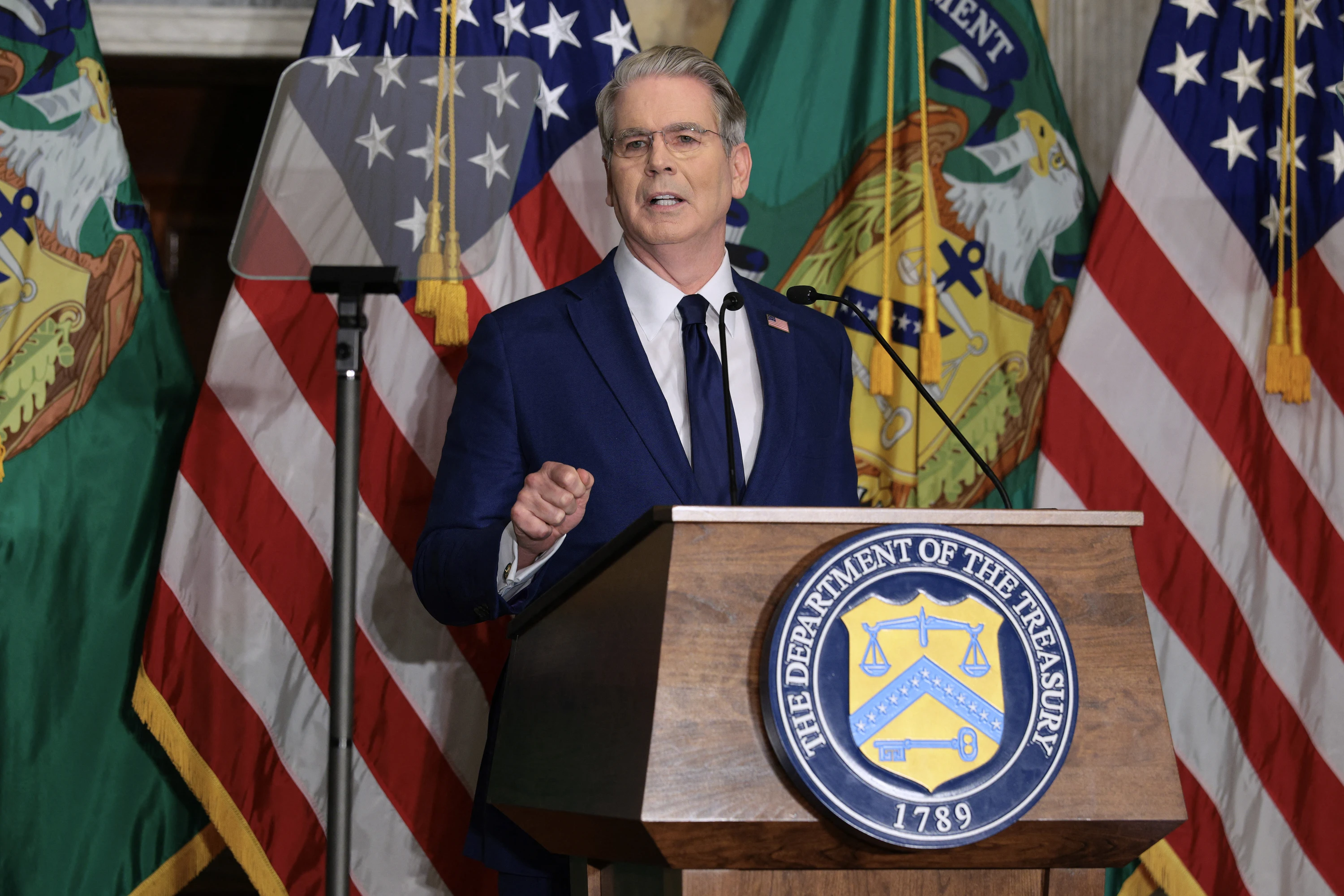
Dubbed “Operation Economic Outcast,” the measures aim to create “economic onslaught” against Iran and its partners by targeting Iran's “financial connections around the globe,” according to Treasury Secretary Scott Bessent.
“Our objective is to sever every economic life that sustains this tyrannical regime until Tehran stands alone,” said Bessent in a presser outlining the new measures.
The measures come six months into the US-Iran conflict which began in late February with a series of US-Israeli airstrikes targeting Iran’s leadership and its nuclear and missile programs, prompting retaliatory Iranian strikes across the region, before turning into an economic warfare after Tehran restricted access to the vital Strait of Hormuz.
Bessent threatened that Iran would face “complete isolation and a subsistence economy” should they not comply with US demands, adding that they can “rejoin the global economy” if they prove cooperative.
The Secretary further threatened ending access to the US dollar system for those laundering money for Iran, and warned countries not joining US sanctions would “share in the isolation” of Tehran.
“Any entity that facilitates money laundering on behalf of Iran will be removed from the US dollar system. The clock just started ticking,” he told reporters.
“Countries cannot claim they are blind to this activity. Iran’s enablers purchase [and] transport its petroleum... they turn a blind eye to seaborne fuel transfers and overland transit… They condone illicit use of their banks, all the while concealing the extent of their complicity,” said Bessent.
The Treasury chief added that US President Donald Trump is in contact with world leaders to ask them to stop their interactions with Iran.
Iranian foreign ministry spokesperson Esmail Baghaei on Monday warned countries in the region that joining the US in its sanction on Tehran would “definitely have its own consequences.”
Iranian parliament speaker Mohammad Bagher Ghalibaf on Monday said that “the United States is not in an economic position to further restrict its relations with other countries,” adding that “Iran's trading partners, both in the media and through messages sent to us, have made it clear that they don't take these statements into account.”
Iran has shut the Strait of Hormuz, a vital waterway where roughly 20 percent of the world’s oil is transported as a means in its war against the US and Israel, sharply driving up oil prices. The US in turn has imposed a naval blockade on Iranian ports.
Mohsen Rezai, secretary of Iran's Supreme National Security Council on Saturday said Tehran has warned regional countries of being considered enemies if they join Washington in “the economic war.”
On Thursday, Iranian Foreign Minister Abbas Araghchi said Trump’s threats of imposing an “economic D-day” on Tehran, serves as a “diversion” from the US’ “unprecedented debt and surging interest costs.”
“Doubling down on failed policies will only bring further defeat—and enmity of Iranians. US economic terrorism threatens global economy and sovereignty worldwide,” said Araghchi.
 Facebook
 LinkedIn
 Telegram
 X
X