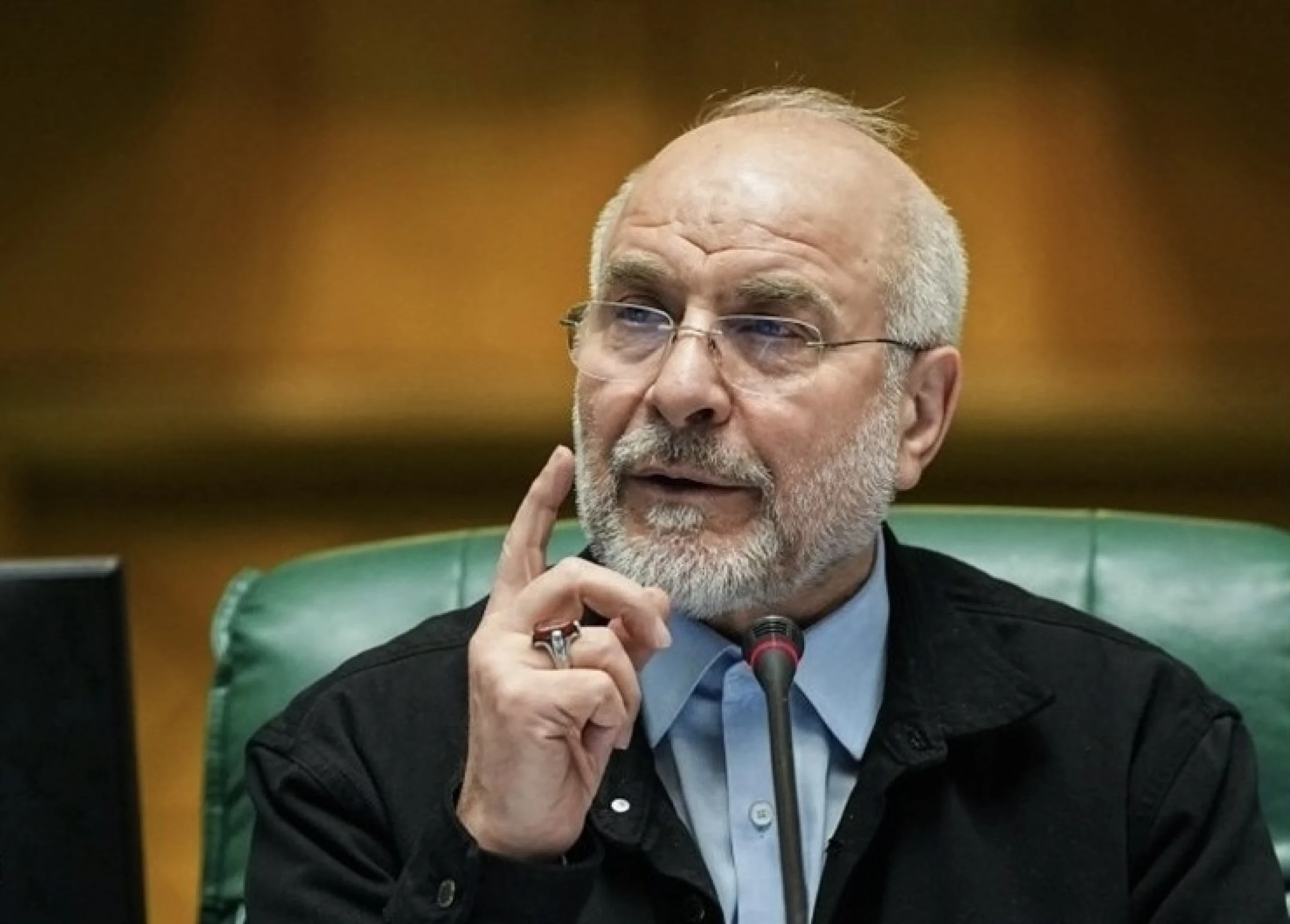
ERBIL, Kurdistan Region of Iraq – Iranian parliament speaker Mohammad Bagher Ghalibaf said that Iran is not backing down from its conditions for opening the Strait of Hormuz, denouncing recent alleged US proposals as “unilateral demands,” semi-official media reported on Sunday, amid a continued stalemate in negotiations.
“The Strait of Hormuz will not be opened until our seven conditions—based on the Islamabad Memorandum—are met,” semi-official Fars news agency reported, citing the parliament speaker.
Ghalibaf asserted that the American side “who say one thing in the media, have recently put forward proposals through intermediaries. However, they must realize that the era of stalling for time and dictating unilateral demands is over.”
In September, Iranian Foreign Minister Abbas Araghchi said Tehran would reopen the Strait of Hormuz within a week if Washington accepted Tehran’s terms outlined in the June US-Iran memorandum. The plan was subsequently rejected by US President Donald Trump, who said the US already has ‘total control’ over the vital waterway.
Iran closed the strait after US-Israeli strikes killed the top brass of Iran’s leadership, catapulting the region into a conflict that persists today. The two sides remotely signed a peace memorandum of understanding (MoU) in June with Islamabad’s mediation. The agreement collapsed weeks later when the US claimed Iran had struck a vessel in the Strait of Hormuz.
Iran’s main conditions in the MoU included ending military operations on all fronts, including Lebanon, lifting sanctions, and post-war reconstruction. One of Washington’s main conditions was free navigation through the waterway.
The speaker accused the US administration of having ramped up “military threats alongside economic pressure and security measures,” claiming that “at times, they utter several contradictory statements in a single day.”
“One day the enemy strikes a pose of negotiation and agreement, the next threatens conflict and destruction, and the following day claims to seek mediation and reconciliation,” he said.
He added that Tehran does not morph its macro-policies and national security decisions based on the “daily tweets or interviews of US officials,” but on “the enemy's actual behavior and deeds.”
In late August, Washington announced “Operation Economic Outcast,” a large-scale sanctions package on Iran that seeks to clamp down on third parties that directly and indirectly support the Iranian regime by facilitating its oil exports and shadow economy.
The measures came six months into the US-Iran conflict, which began in late February with a series of US-Israeli airstrikes targeting Iran’s leadership and its nuclear and missile programs, prompting retaliatory Iranian strikes across the region, before turning into economic warfare after Tehran restricted access to the vital Strait of Hormuz.
 Facebook
 LinkedIn
 Telegram
 X
X