
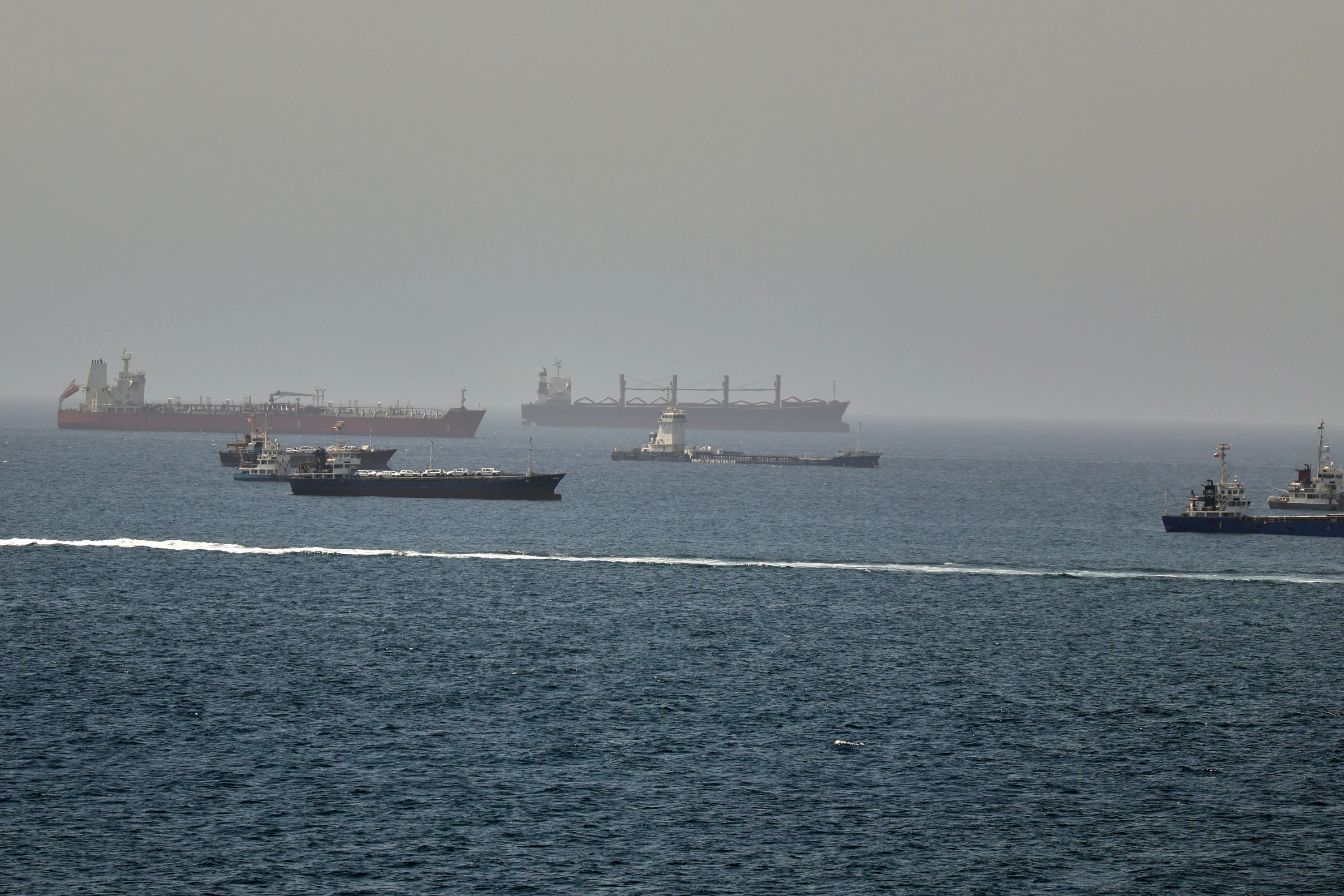
ERBIL, Kurdistan Region of Iraq - US Central Command (CENTCOM) on Friday claimed to have assisted almost 1,500 commercial vessels transiting the Strait of Hormuz in recent months, allowing for the passage of nearly 750 million barrels of oil through the contested waterway.
In a video statement, CENTCOM chief Admiral Brad Cooper declared that efforts by US divers, Navy Seals, and aerial assets have cleared all sea mines laid by Iran in the strait's international shipping lanes, hailing the achievement as "a major milestone" in facilitating commercial traffic.
The admiral noted that the clearance operations have focused on the transit lanes that were previously used when vessels enjoyed free passage through the strait, coming as Iran and Oman have developed alternative lanes that Tehran says must be used in accordance with Iranian restrictions that ground shipping traffic to a halt during the war with the US and Israel.
"Bottom line - today, international shipping lanes are open and momentum is building," Cooper continued.
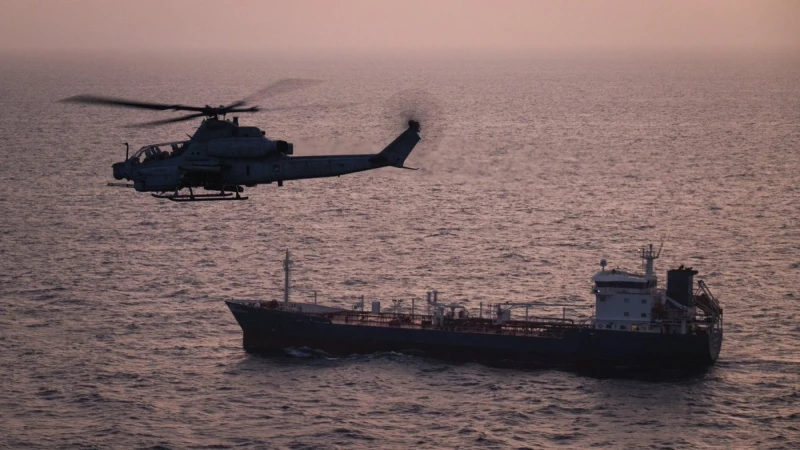
The CENTCOM chief further hailed the successes of the US naval blockade of Iranian ports and escort operations for ships seeking to defy Iranian dictates, claiming that "over the past several months, US forces have assisted nearly 1,500 commercial vessels in transiting the strait by providing coordinated protection."
"Those ships were carrying nearly 750 million barrels of crude oil destined for global energy markets... Iran has exported zero oil from its shores since we resumed the naval blockade in mid-July."
A short-lived memorandum of understanding between the US and Iran in the aforementioned month temporarily saw transit increase in the strait, while its ultimate collapse saw CENTCOM forces return to enforcing a naval embargo on Iranian ports that has seen 75 commercial vessels redirected, three disabled, and two boarded to ensure compliance as of Thursday.
US Treasury Secretary Scott Bessent on Friday reiterated Cooper's claims, asserting that "the USA has guided 130 millions [sic] barrels out over the past 14 days" while Iran has exported zero oil.
However, despite Iran's difficulties in exporting oil through conventional means, it operates a widespread oil smuggling network and employs myriad sanction-busting techniques to sell its oil products to partners.
Bessent on Monday announced a new economic campaign designed to crack down on third parties facilitating Iran's shadow economy, threatening severe consequences for heads of state that trade with Tehran.
"Countries cannot claim they are blind to this activity. Iran’s enablers purchase [and] transport its petroleum... they turn a blind eye to seaborne fuel transfers and overland transit… They condone illicit use of their banks, all the while concealing the extent of their complicity," said the Treasury Secretary.
Despite the US pronouncements of a wholly-open strait, data from the international shipping monitor Kpler shows that 17 vessels transited the strait on Thursday, with the latest ten-day average figures standing at 15 ships passing daily.
Between January 2017 and the beginning of the war on February 26, 2026, an average of 41 laden commodity vessels passed through the strategic waterway on a daily basis, according to Kpler.
 Facebook
 LinkedIn
 Telegram
 X
X