
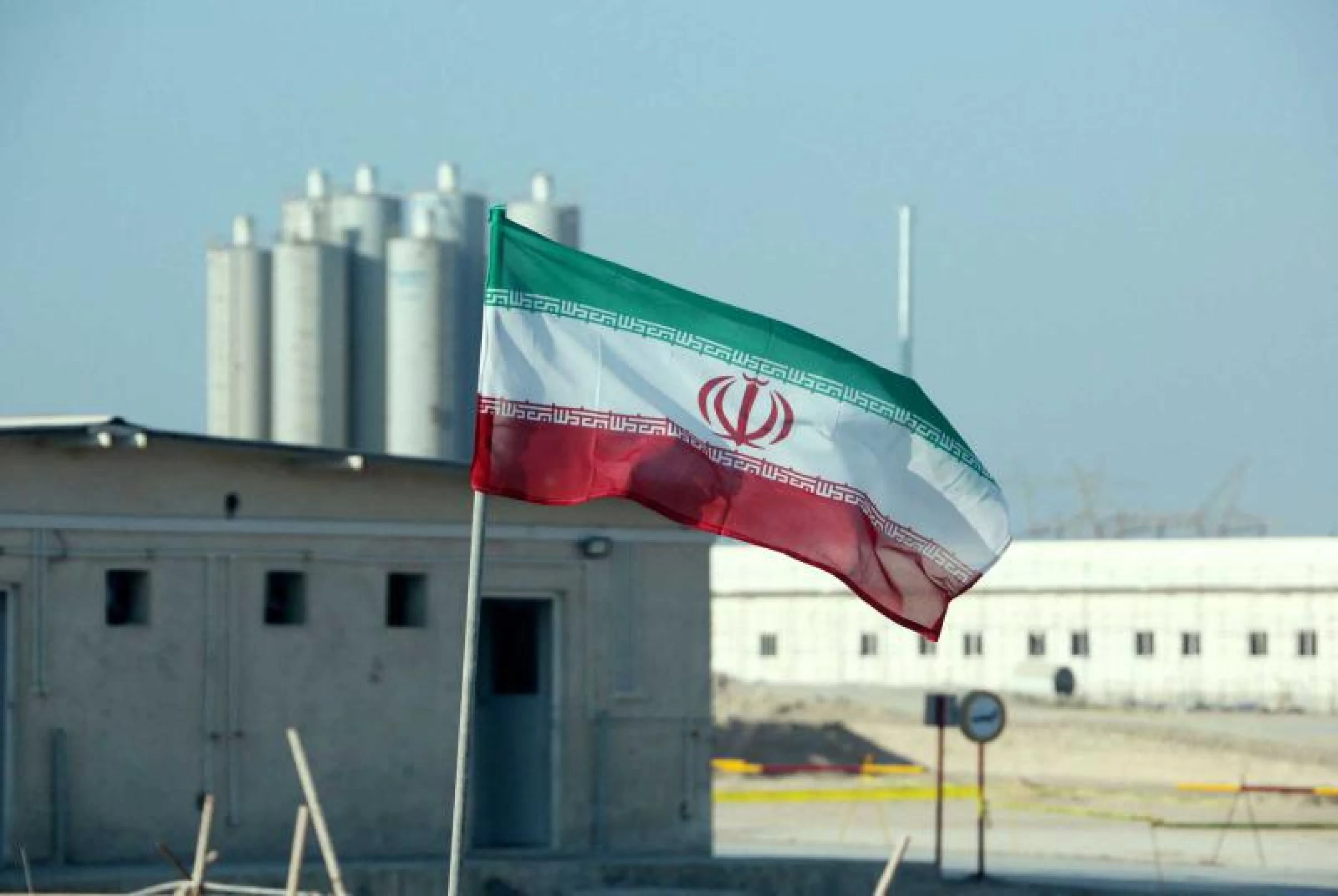
ERBIL, Kurdistan Region of Iraq – Iran will not allow the UN’s International Atomic Energy Agency (IAEA) inspectors to access its nuclear facilities until Tehran’s conditions are met and the war has permanently ended, Deputy Foreign Minister Kazem Gharibabadi said Sunday.
“We will not grant the IAEA access to the facilities until Iran's conditions are met and the war has permanently ended,” Gharibabadi said in an interview with state television late Sunday.
His remarks came after the IAEA called on Tehran to restore access for its inspectors in a report circulated among member states on Friday.
Gharibabadi said Iran had “declared” all nuclear facilities it was required to disclose to the agency, adding that facilities targeted by the United States had been under IAEA supervision.
“All the facilities that America targeted were under the Agency's supervision, with inspectors coming and going in them,” he said.
Earlier in the week, Iran’s hardline Assembly of Experts said reviewing a potential withdrawal from the Nuclear Non-Proliferation Treaty (NPT) is an “unavoidable necessity,” while warning Tehran against making concessions to US demands.
Iran has been a signatory to the NPT since 1970 but has faced intense criticism over its uranium enrichment program, with Western powers and the IAEA repeatedly highlighting breaches in compliance.
US President Donald Trump has repeatedly claimed that February's US-Israeli war on Iran was instrumental in hampering Iranian ambitions to produce a nuclear weapon. Tehran insists that its proliferation efforts are entirely for civilian purposes
A 14-point memorandum of understanding (MoU) signed between Tehran and Washington in June that fell through weeks later detailed that Iran will be oligated to dispose of its stockpiles of enriched uranium.
On Wednesday, Iran’s security chief Mohsen Rezaei said Tehran has told Russia that its enriched nuclear material will stay in Iran to be used for ships and submarines with nuclear propulsion.
Iran has extensively criticized the IAEA in the past, arguing that a resolution accusing Tehran of nuclear non-compliance served as a justification for US-Israeli strikes during the 12-Day War of 2025.
 Facebook
 LinkedIn
 Telegram
 X