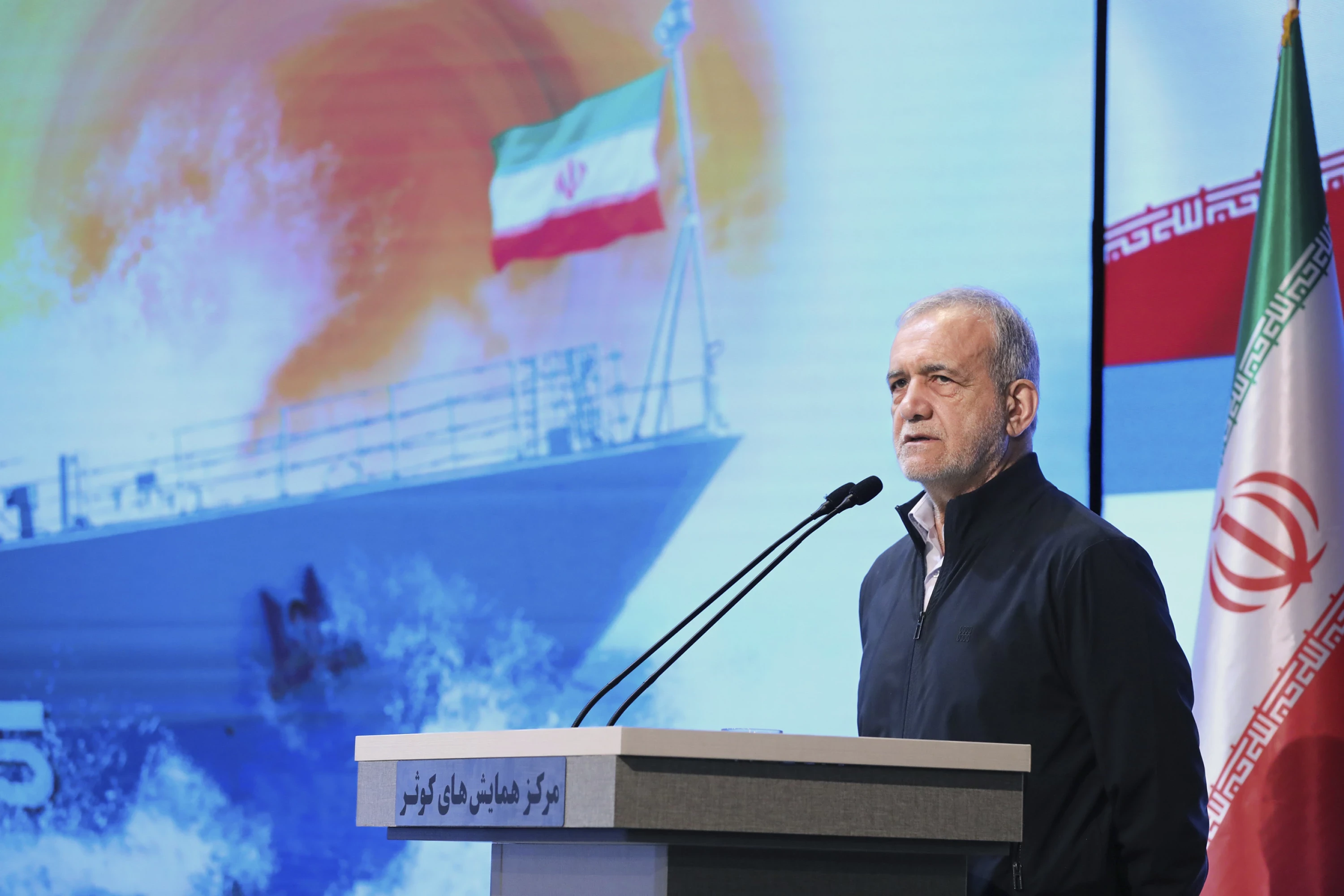
ERBIL, Kurdistan Region of Iraq – Iranian President Masoud Pezeshkian on Tuesday said Tehran is ready to return to the memorandum of understanding (MoU) signed with Washington, blaming the US’ “excessive demands and breach of its commitments” for its collapse.
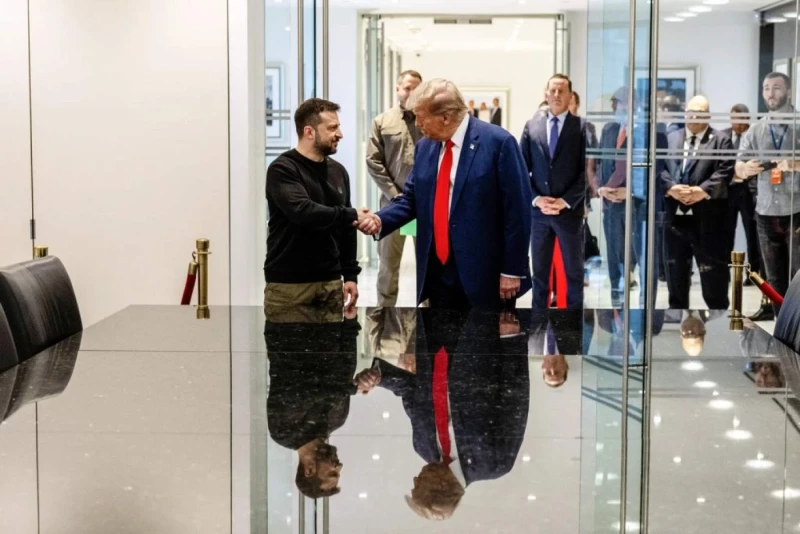
Pezeshkian signed the deal remotely with US President Donald Trump on June 18, setting a 60-day period for negotiations toward a final peace agreement. However, the MoU collapsed after 21 days, with both sides targeting each other’s interests in the region and trading accusations of violating its terms.
The Iranian president said the US’s “commitment to the document, which was signed by the president of that country, lasted less than two weeks,” before its “ excessive demands and breach of its commitments began, and this continues to this day,” Pezeshkian said, according to state media.
“However, I state clearly that if the US returns to its commitments under the aforementioned Memorandum of Understanding, the Islamic Republic of Iran will immediately take reciprocal action,” he said.
In the most recent round of tit-for-tat attacks, the US on Sunday struck two missile launchers belonging to Iran’s Islamic Revolutionary Guard Corps (IRGC) on Larak Island, which it said were readying to launch mine-laden missiles toward the Strait of Hormuz.
In retaliation, the IRGC said on Monday that it had targeted two US bases in Jordan, Malik Hussein and al-Azraq.
The IRGC also claimed to have targeted the United Arab Emirates’ Al Minhad Air Base with “dozens of drones.”
The resumption of hostilities comes after Iran and Oman last week discussed a “phased” framework that could provide a “practical and workable basis” for restoring navigation in the Strait of Hormuz, during the Omani foreign minister’s visit to Tehran.
Since the war started in late February, Iran has shut the Strait of Hormuz, a key waterway responsible for the transport of roughly 20 percent of the world’s oil. Free navigation in the international waterway was a key US demand in the MoU.
 Facebook
 LinkedIn
 Telegram
 X
X