ERBIL, Kurdistan Region of Iraq - Iran’s Islamic Revolutionary Guard Corps (IRGC) overnight carried out a series of attacks targeting US interests across the Middle East, including the Kurdistan Region’s capital Erbil, in response to a wave of American strikes on southern Iran.
The US Central Command (CENTCOM) on Tuesday evening announced it was targeting IRGC targets in Iran, following “recent attempted attacks by the IRGC against commercial shipping in the Strait of Hormuz and against American service members.”
The attacks targeted “air defense sites, radar systems, maritime assets and facilities, mine laying capabilities, and communications sites,” CENTCOM said.
Shortly after the American strikes began, the IRGC vowed to inflict “devastating and crippling blows on the cowardly and malicious American enemy.”
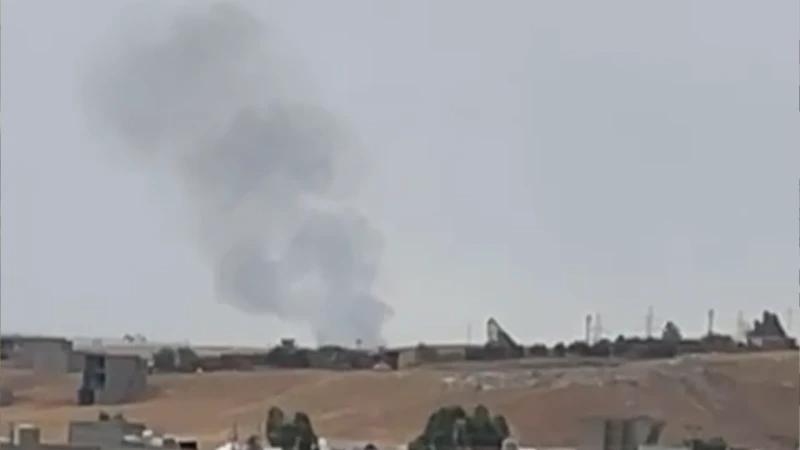
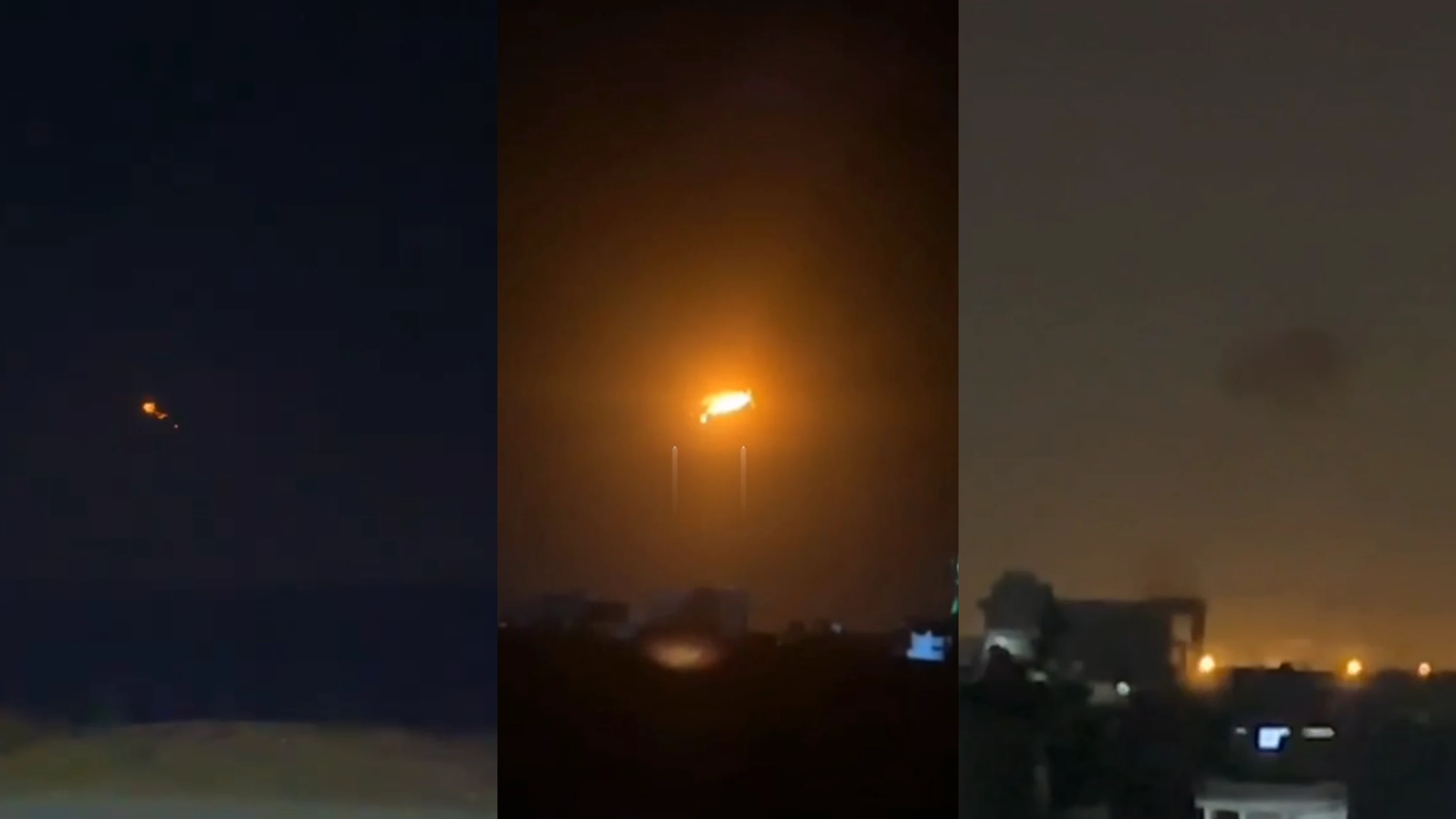
Several loud blasts were heard across Erbil well into the early hours of Wednesday, with defense system combating incoming Iranian missiles and drones, mostly around Erbil International Airport.
The IRGC said it carried out “combined missile and drone attack on American bases in Erbil, destroying a repair center and warehouses of technical equipment of the terrorist American army and destroying the guidance system of the American spy balloon in the base.”
It further claimed that its “ground force” had set fire to the fuel tanks at the base and “killed a number of invaders.”
There have been no official statements from Kurdish authorities or the US regarding the attacks on Erbil as of the writing of this article.
According to official Iranian military and government statements, the US bombardment struck a wedding ceremony in the city of Sirik in the southern Hormozgan province, killing at least four people, including a child, and wounding around 70 others.
At least 11 people were killed in the American strikes on Iran’s south and southwest, according to Iranian media.
In a statement addressing the people of the Kurdistan Region, the IRGC said “the time has come for the end of the heinous and barbaric American regime.”
“The land of the children of the conquerors of Jerusalem is not a place for the infidels to settle and incite. Do not allow your land to be the source of such horrific crimes. This pure land must be cleansed of the filth of the evil American villains. With these blatant crimes, everyone has enough evidence,” said the Iranian military.
The Iranian strikes also targeted American interests in Kuwait, Bahrain, and Jordan.
The IRGC’s Khatam al-Anbiya Central Headquarters said its forces attacked US bases in the region with missiles and drones, “causing heavy damage to infrastructure, facilities, weapons, and equipment, and killing or wounding a significant number of American commanders and soldiers.”
Shortly after midnight, the Jordanian army said its air defenses detected 13 ballistic missiles entering the country’s airspace, “managing to intercept and destroy 10 of them, while 3 missiles fell in remote areas far from population centers.”
On Wednesday morning, The General Command of the Bahrain Defense Force said its air defense systems successfully intercepted and destroyed several of the Iranian aerial objects, stressing that its forces are “at the highest levels of readiness and are on high alert to protect the Kingdom,” while urging citizens to exercise caution and avoid approaching “any strange or suspicious objects resulting from the remnants of the brutal Iranian aggression, and report them immediately.”
The Kuwaiti army said early Wednesday they were “responding to hostile missile and drone threats,”urging adherence to safety and security instructions.
Prior to the Iranian strikes, US President Donald Trump told Fox News that if Iran responds to the American attacks: “They'll be hit much harder...if it goes a third time, they're going to be totally wiped out as a country.”
The recent escalation comes as little progress has been made in bringing the war to a conclusive halt. Despite Trump’s insistence that the Strait of Hormuz is open for transit, shipping data shows that commercial passage through the strategic waterway still remains significantly below pre-conflict levels amid ongoing Iranian restrictions.
Iranian President Masoud Pezeshkian on Tuesday said that Tehran is ready to return to the memorandum of understanding (MoU) signed with Washington in July, which saw the temporary reopening of the strait before the US accused Iran of breaching its terms by targeting vessels failing to comply with Iranian-imposed shipping routes.
 Facebook
 LinkedIn
 Telegram
 X
X