
ERBIL, Kurdistan Region of Iraq – A coalition of six Iranian Kurdish opposition groups on Sunday called for a general strike on the anniversary of the death of Zhina (Mahsa) Amini, describing it as a “collective response to the security and economic crises.”
The Alliance of Political Forces of Iranian Kurdistan, a coalition of six Kurdish opposition parties, “calls upon all segments and strata of the nation to carry out a nationwide strike on 16 September, coinciding with the fourth anniversary of the state killing of Zhina Amini, in protest against the policies of the Islamic republic of Iran,” read a statement from the bloc.
“This strike is a civil struggle and a collective response to the security and economic crises, and it stands as a resounding message toward the vitality of civil activity and the resistance of the people of Kurdistan,” the statement added.
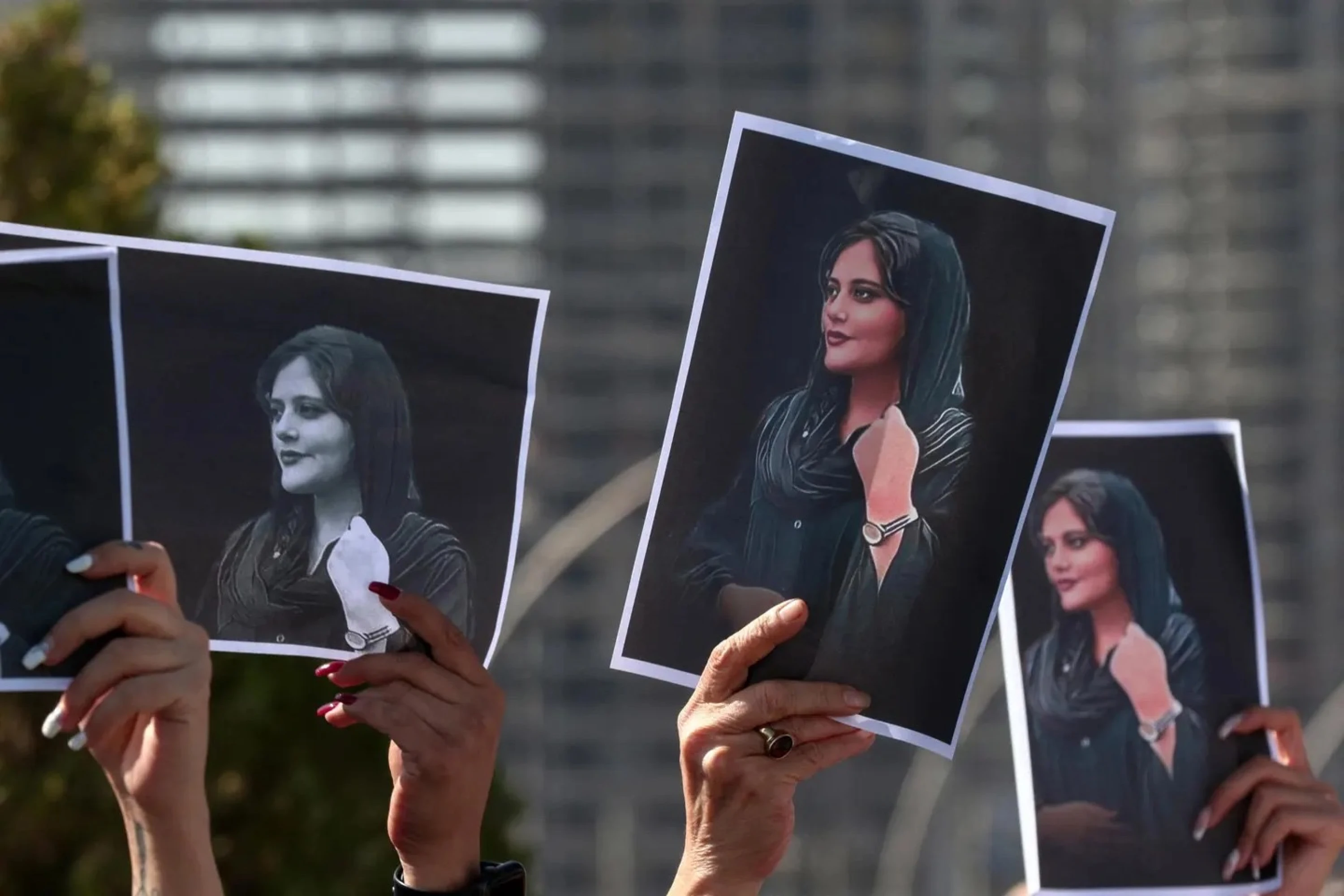
Amini, a young Kurdish woman, died in September 2022 in Iran’s police custody over her lax hijab, sparking one of Iran’s largest nationwide uprisings, known as the "Woman, Life, Freedom" (Jin, Jiyan, Azadi) movement.
Iranian authorities heavily cracked down on the demonstrations, with over 500 people killed and tens of thousands of others arrested during the nationwide movement.
Following the outbreak of the US-Israeli war on Iran, Tehran ramped up the presence of security forces in the country's restive border provinces and Kurdish regions, fearing separatist uprisings and the creation of possible launchpads for military ground incursions in a bid to topple the regime.
In August, at least 75 Kurdish citizens were arrested across Iran, “which is equivalent to 64% of the total number of arrests,” in the month the Oslo-based Hengaw Human Rights Organization reported in early September.
Rojhelat (the Kurdish-majority region of western Iran) holds significant political and geographic sensitivity, long marked by resistance to Tehran’s policies as residents face decades of discrimination, heavy security crackdowns, economic underdevelopment, and limited job opportunities.
In February, Amini’s father, Amjad, criticized the Iranian government for broadcasting women with loose hijabs during pro-government rallies.
Her father's comments come after the Islamic Republic, notorious for its draconian modesty laws, has increasingly shown footage of women flouting hijab regulations in public at pro-government events.
Iran’s proposed “Law on Protecting the Family through the Promotion of the Culture of Chastity and Hijab” was introduced in response to the social unrest that swept the country in 2022. The bill was passed by the parliament in 2023 and introduced tougher penalties for women who violate the country’s strict dress code.
Despite being passed by parliament, the law has not been enforced. President Masoud Pezeshkian has refused to ratify the legislation, effectively preventing its implementation amid continued debate over Iran’s mandatory hijab rules.
Enacting the new Hijab bill had “serious issues,” Iranian president’s deputy for legal affairs Majid Ansari said on Wednesday, noting that “many of its provisions were entirely unimplementable.”
“The overall assessment indicated that implementing this law would inevitably compromise societal security and tranquility,” he said.
Under the new bill, women who do not comply with mandatory hijab regulations can face punishments including monetary fines, travel restrictions, and limitations on digital access.
Repeated violations can result in prison terms of three months to a year and fines of over $2,000.
Following the 1979 revolution, the newly proclaimed Islamic Republic declared the wearing of the hijab compulsory for women. People who have failed to abide by the country’s sharia law and hijab policy face the threat of arrest or being fined.
 Facebook
 LinkedIn
 Telegram
 X
X