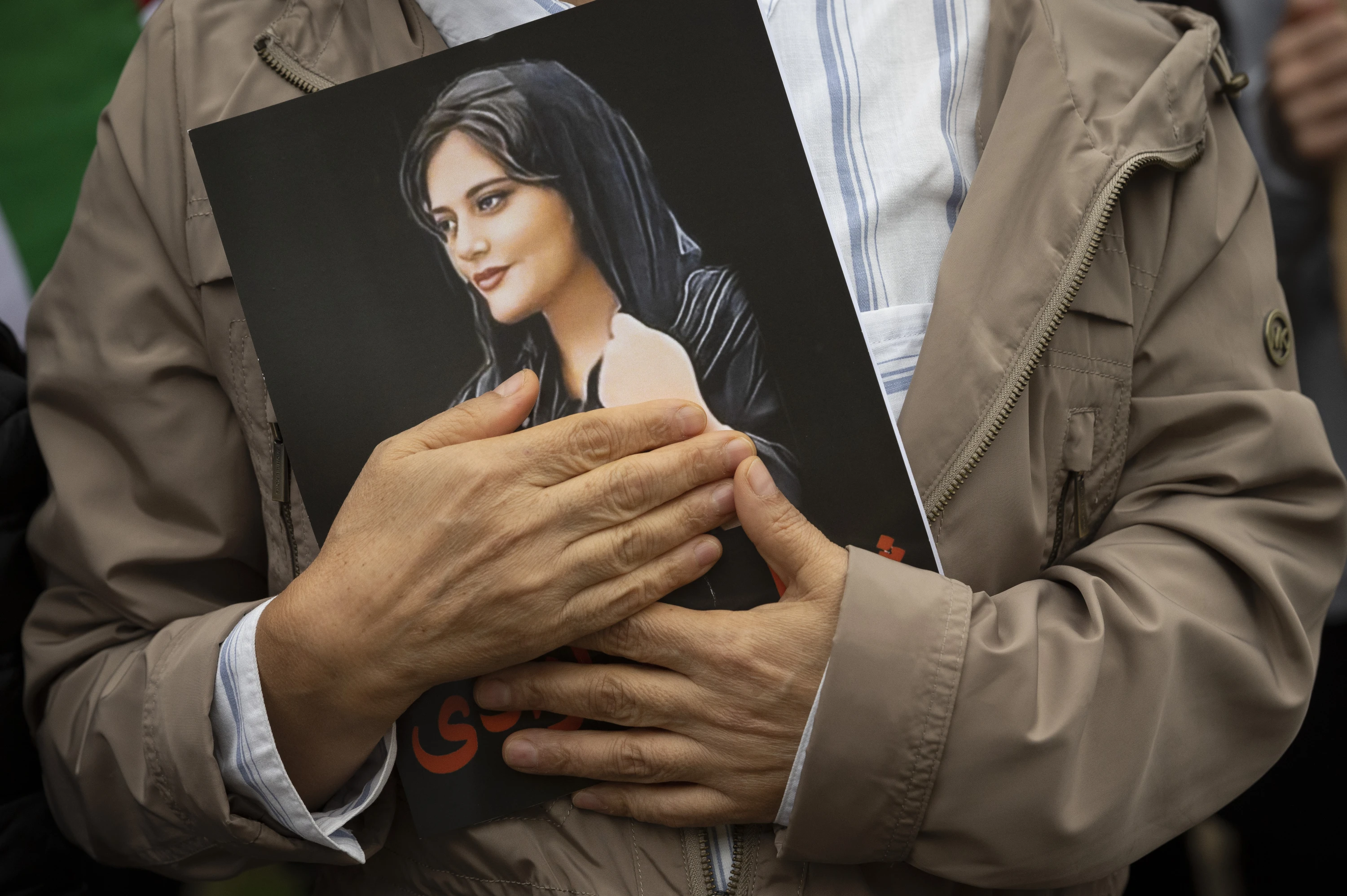
ERBIL, Kurdistan Region of Iraq – Amnesty International accused Iran of perpetrating crimes against humanity during a wave of 2022 protests following the death of Zhina Amini in a report published on the anniversary of her death on Tuesday, censuring an “architecture of impunity” that led to an "even deadlier" response to January's demonstrations.
Amini, a young Kurdish woman, died on September 16, 2022, in Iranian police custody after being arrested for wearing her state-mandated hijab in a lax manner, sparking one of Iran’s largest nationwide uprisings, known as the "Woman, Life, Freedom" (Jin, Jiyan, Azadi) movement.
Iranian authorities heavily cracked down on the demonstrations, with Amnesty reporting that it had identified 377 protesters and bystanders, including 56 children, among the death toll, with at least 326 of them being killed by security forces.
The monitor said in a publication on Tuesday that it documented crimes against humanity committed by Iranian authorities in an effort to crush the 2022 uprising, detailing their findings in a report spanning more than 1,000 pages.
The report “unveils how crimes against humanity in Iran are sustained by an architecture of impunity built into the country’s constitutional, legislative, political, and judicial frameworks,” Agnes Callamard, Amnesty International’s Secretary General, said.
The Iranian authorities “waged a widespread and systematic attack against a civilian population demanding dignity, human rights, and fundamental political change, pursuant to a state policy of using lethal force to obliterate dissent,” Callamard added.
The report identified 87 officials involved in the crackdown, including 33 Islamic Revolutionary Guard Corps (IRGC) commanders, 25 interior ministry officials, and 27 commanders from FARAJA.
Most of the officials held responsibilities in western Iran’s Kurdish regions (Rojhelat), the report said.
Among the protestors, Kurds and Baluchs suffered “a devastating share of the lethal repression, accounting for 62 percent of the total number of recorded victims,” it added, despite the fact that the two minorities comprise merely ten and five percent of the Iranian population respectivrly.
Rojhelat holds significant political and geographic sensitivity, long marked by resistance to Tehran’s policies as residents face decades of discrimination, heavy security crackdowns, economic underdevelopment, and limited job opportunities.
The human rights watchdog remarked that Tehran's response to anti-government demonstrations in January, 2026, bore the same hallmarks of repression as seen in the crackdown four years earlier, noting that the goverment measures were taken "on an even deadlier and more staggering scale."
The report stressed that the results show an “intensifying cycle of mass protest killings” by the authorities during January protests, and called on the UN General Assembly to “end the unconscionable normalization of mass protest killings in Iran and create an international criminal justice mechanism aimed at prosecuting those most implicated in crimes against humanity.”
 Facebook
 LinkedIn
 Telegram
 X
X