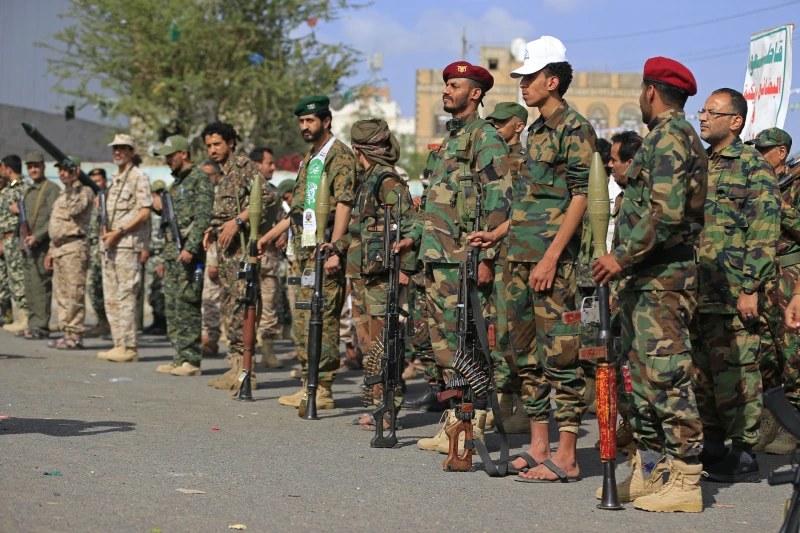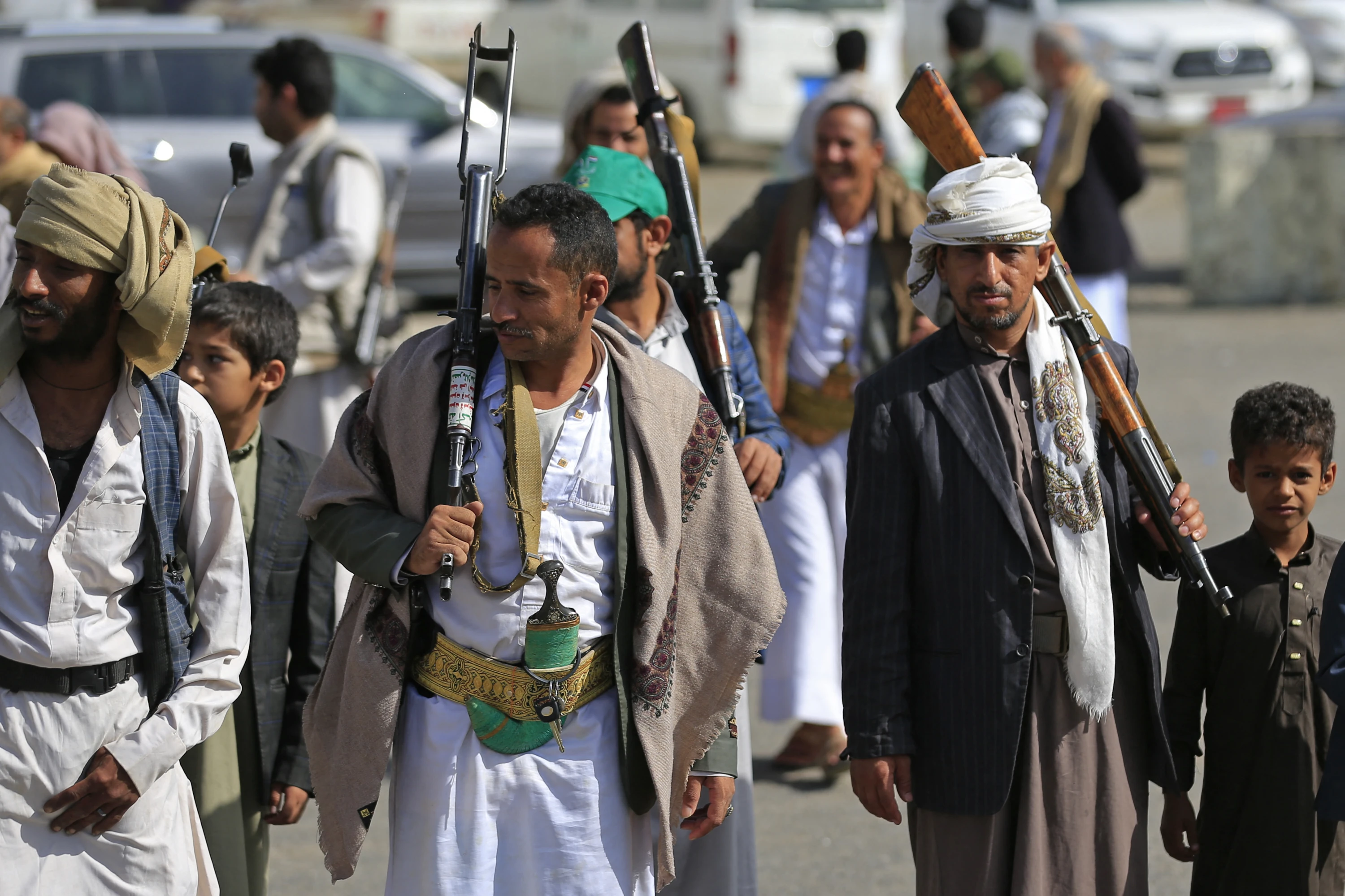
ERBIL, Kurdistan Region of Iraq - The leader of Yemen's Houthi rebels on Thursday reiterated the movement's denial of Saudi accusations that they targeted the holy city of Mecca with a drone, accusing Riyadh of concocting "a blatant falsehood" in a bid to bolster international support for its struggling military campaign in Yemen.
The Saudi-led military coalition in Yemen, which has lost large swathes of Red Sea territory to a major Houthi offensive, on Wednesday said that Saudi forces intercepted and destroyed a "hostile drone" before it entered the airspace of Mecca, the holiest city in Islam and a destination for millions of pilgrims annually.
The prospective drone attack drew extensive international condemnation, with Riyadh directly accusing the Houthis of its orchestration despite the Iran-backed group's vehement denial and insistence that its strikes on Saudi proper are limited to military infrastructure and oil pipelines.
"The Saudi enemy's slander against our people, claiming to target Mecca, is a major, ugly, and extremely vile lie, a blatant falsehood," said Abdul-Malik al-Houthi, the leader of the Zaydi Shiite political movement that now controls the majority of Yemen's population centers.
"The Saudi enemy is trying, with its slander, to compensate for the international positions that have their own calculations at this stage, to the extent of direct involvement with it, even though they are involved in one way or another."
The Houthi leader claimed that the incident was blamed on the Houthis to spark outrage in the Muslim world and attract further support for the Saudi military campaign, asserting that Riyadh "is not satisfied with the foreign role" in the conflict, which he claimed is currently limited to US, British, and Israeli advisors.
Washington and London have confirmed the presence of military advisors and the provision of operational support to the Saudi military, while Israeli state media on Tuesday confirmed that Israel is engaging in dialogue with Riyadh, facilitated by US Central Command (CENTCOM), to discuss intelligence support for the campaign.
Despite Saudi Arabia, Turkey, and Pakistan signing a high-profile mutual defense accord termed the Mecca Agreement in August, neither of the latter two states has offered to directly participate in the conflict.
"The Saudis are using slander and defamation against Mecca to serve their aggression and unjust siege against our Muslim people," the Houthi leader continued. "We, as Yemenis, offer ourselves, our lives, our souls, and our wealth as a sacrifice for Mecca, for all the Islamic holy sites."
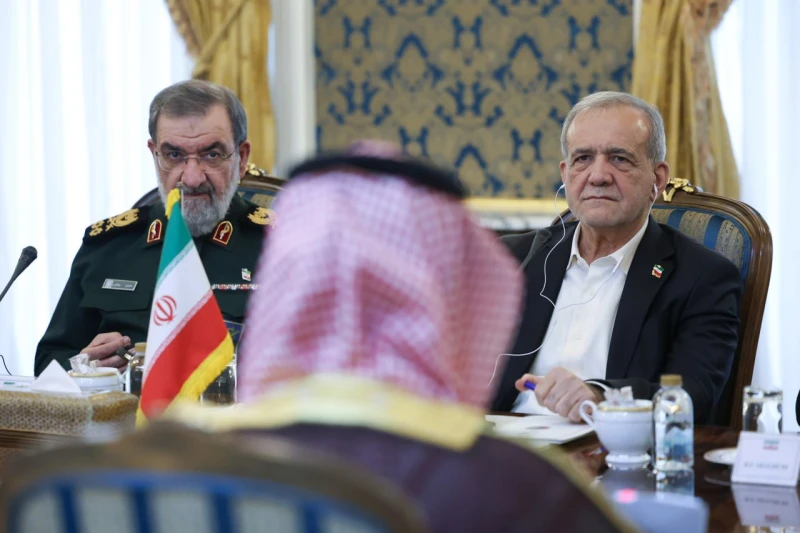
Iran, a key Houthi ally, has also cast doubt on Riyadh's narrative, with foreign ministry spokesperson Esmail Baghaei on Thursday warning that "caution and vigilance must be exercised" before reaching any conclusions.
"Our region has witnessed numerous instances of 'false flag' operations, particularly in recent months, aimed at diverting public opinion from the crimes committed by the Zionist entity and the United States in the region, and at sowing discord among Islamic countries," he wrote on X.
Having enjoyed a tentative peace for years following a UN-backed truce in Yemen's decade-long civil war, tensions between Riyadh and the Houthis flared following an airstrike on Sanaa International Airport that prevented an Iranian plane from landing in mid-July.
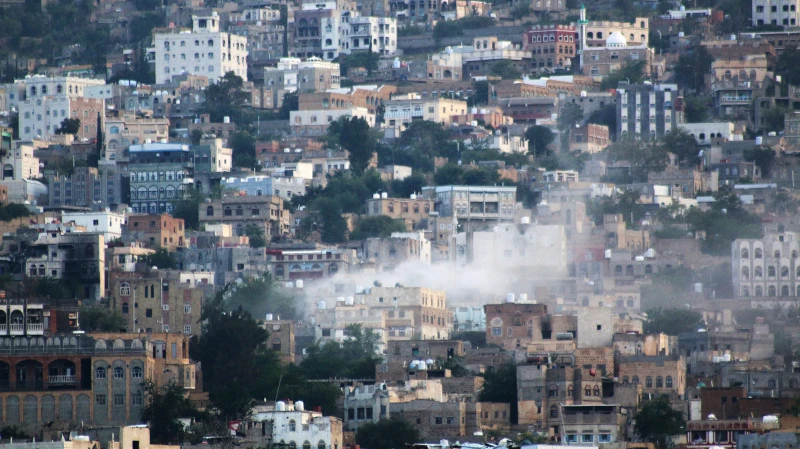
Since that juncture, Saudi Arabia has conducted myriad airstrikes targeting the group and seeking to bolster the internationally backed Yemeni government, while the Houthis have imposed a maritime blockade on Saudi transit in the Red Sea, the effectiveness of which was enhanced following their seizure of key port areas such as the city of Mokha in September.
 Facebook
 LinkedIn
 Telegram
 X
X