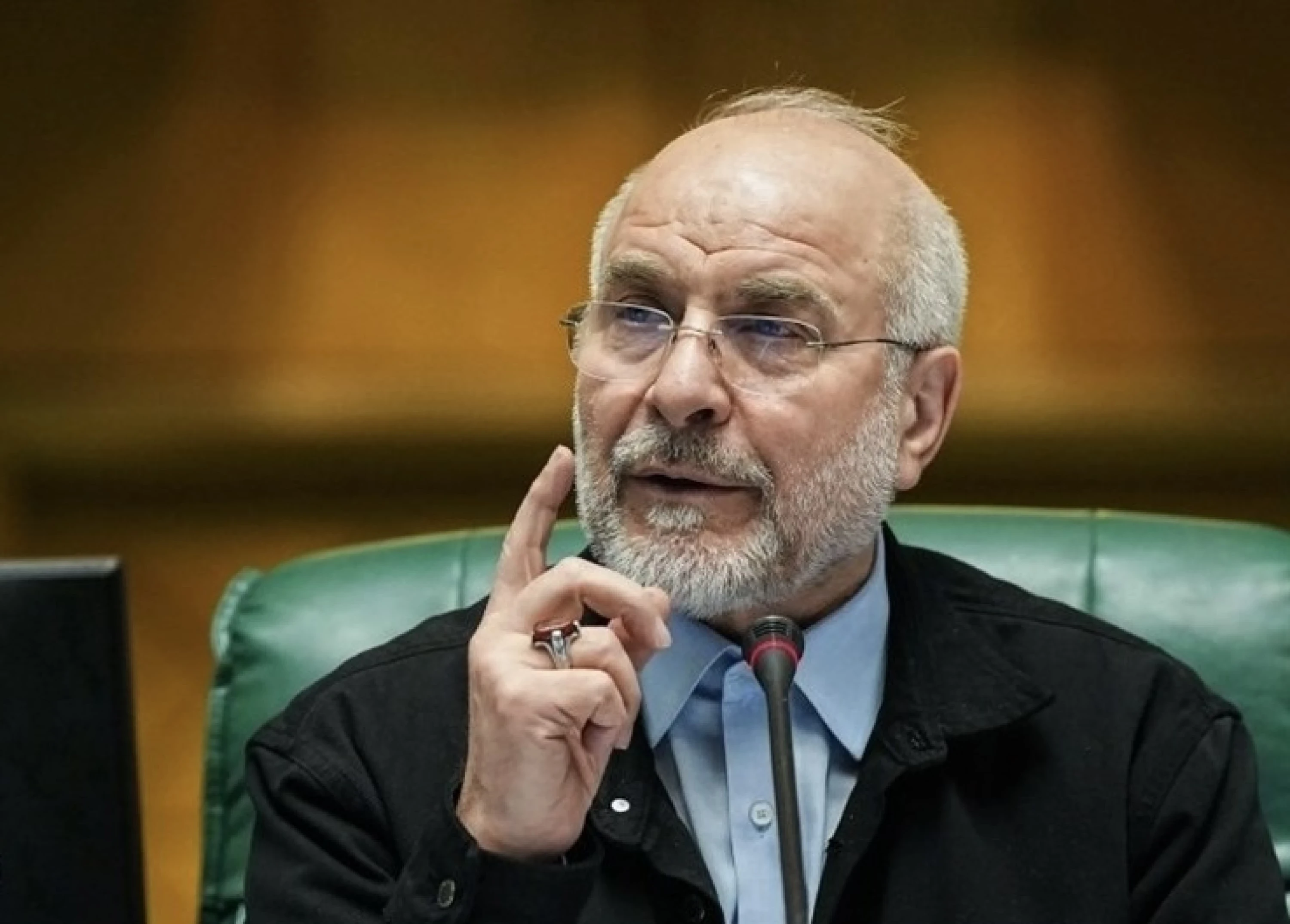
ERBIL, Kurdistan Region of Iraq – Iranian parliament speaker and top negotiator Mohammad Bagher Ghalibaf on Sunday said the Strait of Hormuz will remain closed “until Iran's conditions are met,” as Washington claims Tehran wants to reach a deal.
“Our positions are completely clear, rational, and non-negotiable. Our messages and conditions have been clearly communicated to the other side through intermediaries,” Ghalibaf said before opening a parliament session, according to state media.
“Until these conditions are met, the rights of the Iranian people are recognized, and the commitments of the Americans are fulfilled, there will be no opportunity to return to the previous negotiation conditions or to open the Strait of Hormuz,” he added.
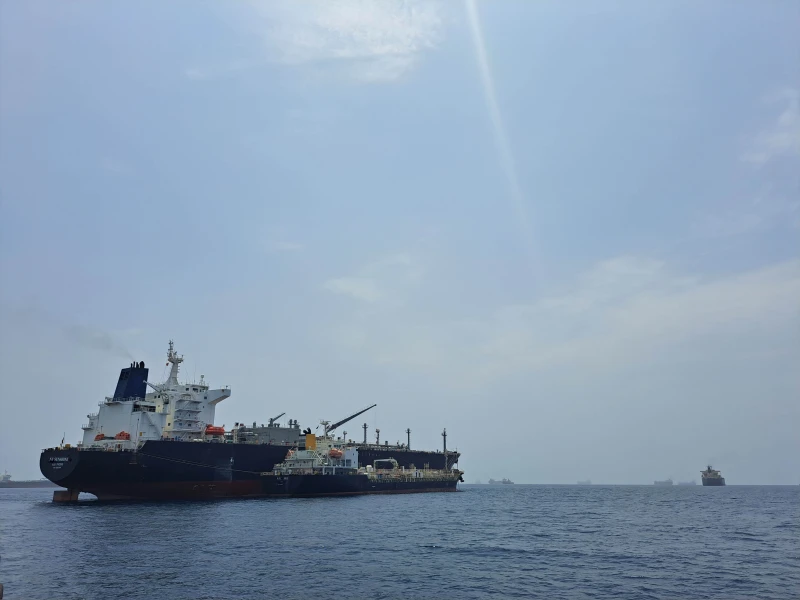
Iran has closed the vital waterway, through which roughly 20 percent of the world’s oil passes, as part of its war against the US and Israel, sharply driving up oil prices.
Iran’s main conditions in a memorandum of understanding (MoU) signed with Washington in June to end hostilities and resume talks included ending military operations on all fronts, including Lebanon, lifting sanctions, and post-war reconstruction. One of Washington’s main conditions was free navigation through the waterway.
The agreement collapsed weeks later when the US claimed Iran had struck a vessel in the Strait of Hormuz.
Ghalibaf’s comments come as Iran’s hardliners and moderates take differing positions on further talks with the US. The Islamic Revolutionary Guard Corps (IRGC) and other hardliners have shown little willingness to resume negotiations, while moderates have expressed openness.
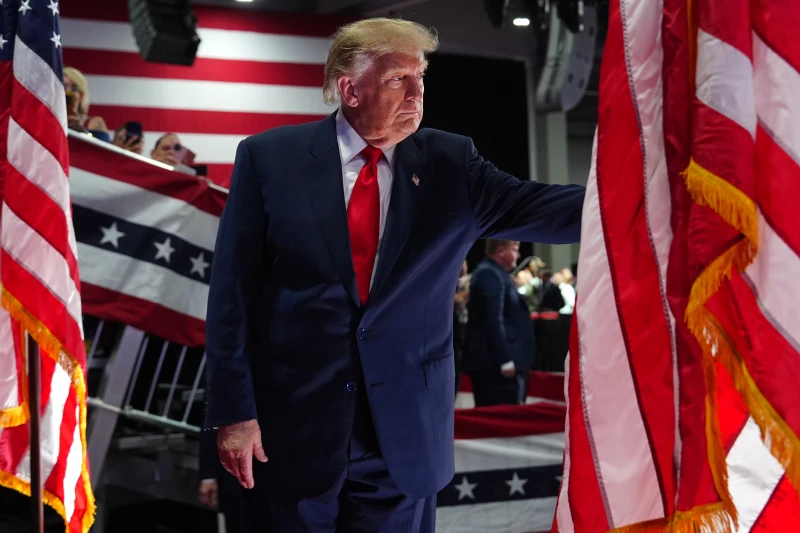
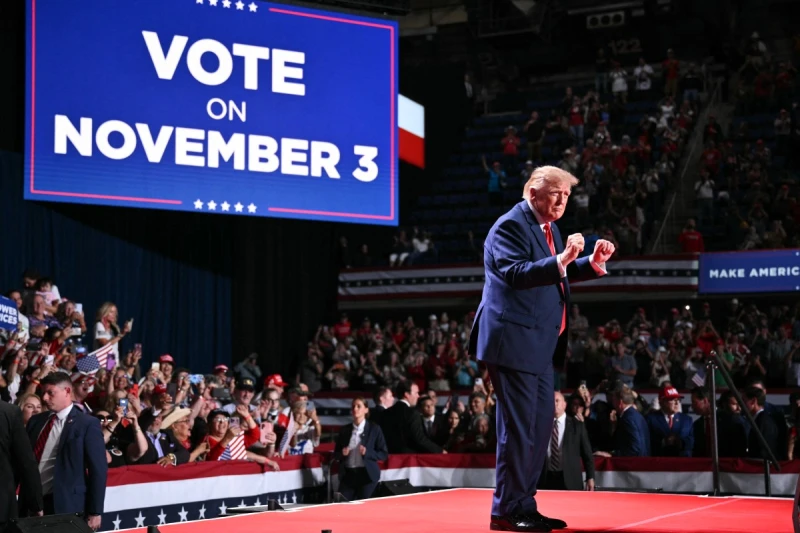
Washington has previously expressed confusion over Iran’s power structure, with US President Donald Trump saying Iran is having “a very hard time figuring out who their leader is,” while claiming there is an internal struggle between “hardliners” and “moderates.”
The comments also came amid conflicting positions from the two sides, with Washington claiming Tehran wants to reach a deal and Tehran rejecting talks until its conditions are met.
Trump on Monday said Iran “wants to make a deal, quickly and badly,” adding that he would determine whether Washington would engage, describing it as “a concept of which we are open to.”
A day later, in response to Trump’s comments, Iran’s security chief Mohsen Rezaei rejected negotiations with Washington, saying “no talks until Iran’s conditions are met. Period!”
Earlier in September, Iranian President Masoud Pezeshkian also expressed Tehran’s readiness to return to the deal signed with Washington, blaming the US for breaching the agreement.
 Facebook
 LinkedIn
 Telegram
 X
X