ERBIL, Kurdistan Region of Iraq - Iranian Foreign Minister Abbas Araghchi on Tuesday laid out Iran's priorities ahead of the upcoming UN General Assembly, stressing that the plight of the Iranian people and civilian casualties during the US-Israeli war will be at the top of the agenda during the president's address.
The top diplomat arrived in New York on Monday, being followed one day later by Iranian President Masoud Pezeshkian, after Washington opted to allow Iran to participate in the global forum, albeit while maintaining restrictions on their movement, limiting their ability to purchase goods, and refusing to grant visas to the president's media team.
"This trip takes place after an unfair war waged by the United States and the Zionist regime against us, and in the aftermath of those events, a situation that continues to be considered a state of war," Araghchi told journalists, with his remarks being officially shared by Iran's foreign ministry.
"First and foremost, our most important goal is to participate in a major international forum to defend the righteousness, rights, and interests of the Iranian people. The United Nations is the largest international forum."
Hailing the event as an opportunity to share the "legitimate positions" of Iran, Araghchi said that "this year, following the war that took place, it is natural that this forum will be a place to express the injustice suffered by the Iranian people, the martyrs of Iran, the martyrs of the Minab school, and, above all, our late leader [Supreme Leader Ayatollah Ali Khamenei]."
On the first day of the US-Israeli war on Iran on February 28, a US strike, allegedly seeking to target an Islamic Revolutionary Guard Corps (IRGC) base near the Shajareh Tayyebeh school in Minab, instead struck the school, resulting in the death of at least 175 people, mostly children aged between 7 and 12.
Despite having opened an investigation, Washington has yet to formally accept responsibility for the incident, which Tehran has repeatedly cited as an example of US callousness regarding Iranian lives.
The Iranian top diplomat further noted that Pezeshkian will hold several bilateral meetings with heads of state and conduct interviews with "various media outlets" over the course of the week, adding that he himself will meet with foreign counterparts.
"This year's theme for the General Assembly is 'Restoring Trust in the United Nations,'" Araghchi noted. "This indicates that all countries acknowledge that there is no longer any trust, and that trust in this organization has been eroded, and unfortunately, this is due to its ineffectiveness in establishing international peace and security."
"Some countries believe they have the right to do whatever they want, and they do not pay attention to any international institution, any international law, or even the collective conscience of humanity. They grant themselves and their allies immunity. Therefore, we see that a criminal regime like the Zionist regime has a free hand to do whatever it wants, and unfortunately, Western and European countries, which claim to be champions of human rights and humanitarian law, remain silent in the face of this."
"Thus, the discussion of restoring trust is an important one, and it provides an opportunity to talk to the world about how trust in the United Nations has been eroded and how it can be restored," he concluded.
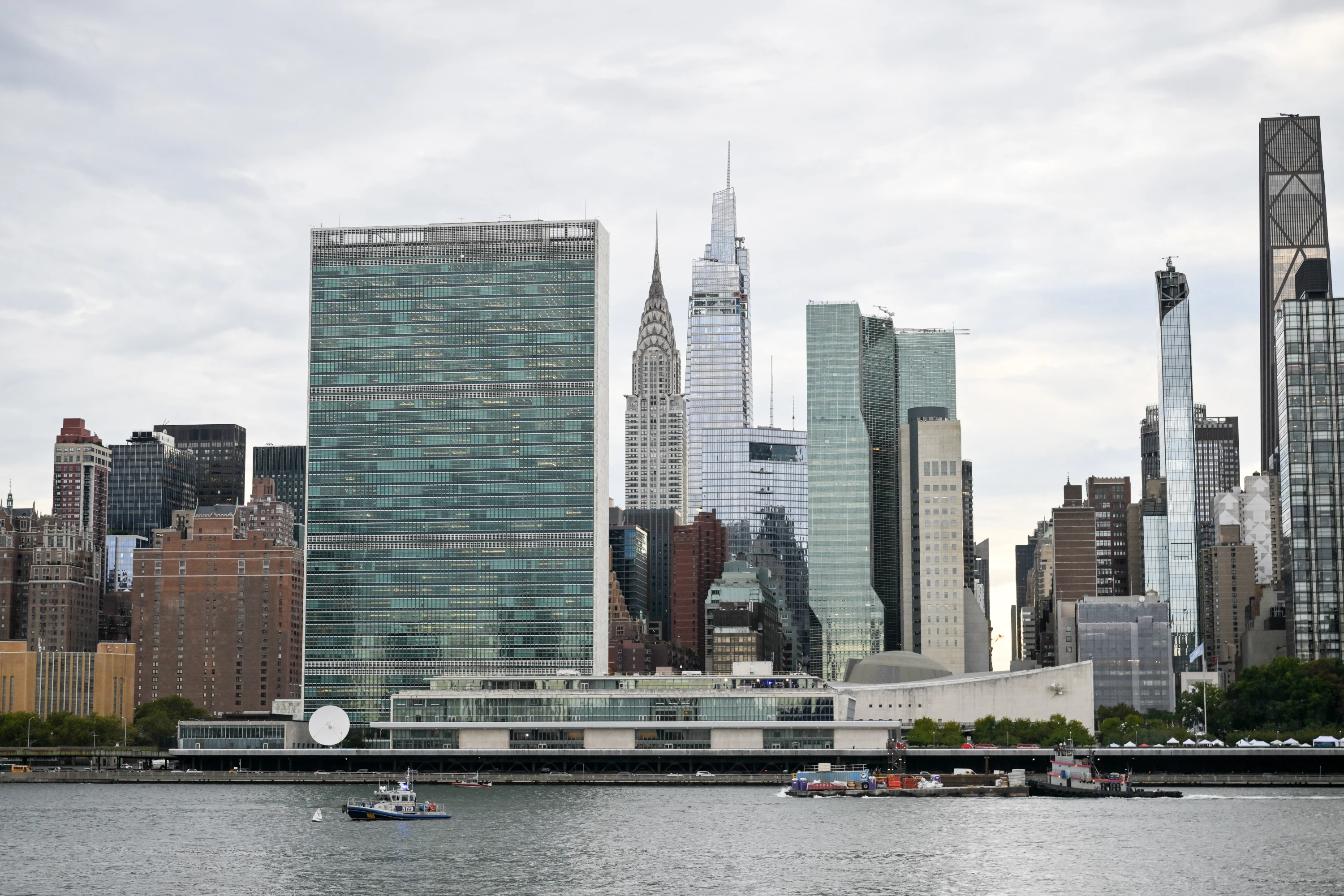
The General Assembly's High-Level Week is set to run from 22 to 28 September, featuring nearly 130 heads of state who will each address the international forum, with Pezeshkian scheduled to deliver his speech on Wednesday morning local time.
US President Donald Trump told Fox News on Sunday that he would "probably" be open to meeting with Pezeshkian in New York, adding that he is in a "deciding mode" and "very big things" are expected to happen in the near future regarding the potential conclusion of the war.
 Facebook
 LinkedIn
 Telegram
 X
X