The past week saw unexpected developments in the Middle East and the broader confrontation between the United States and Iran, strengthening Tehran’s hand in a conflict that has already gone through numerous twists and turns.
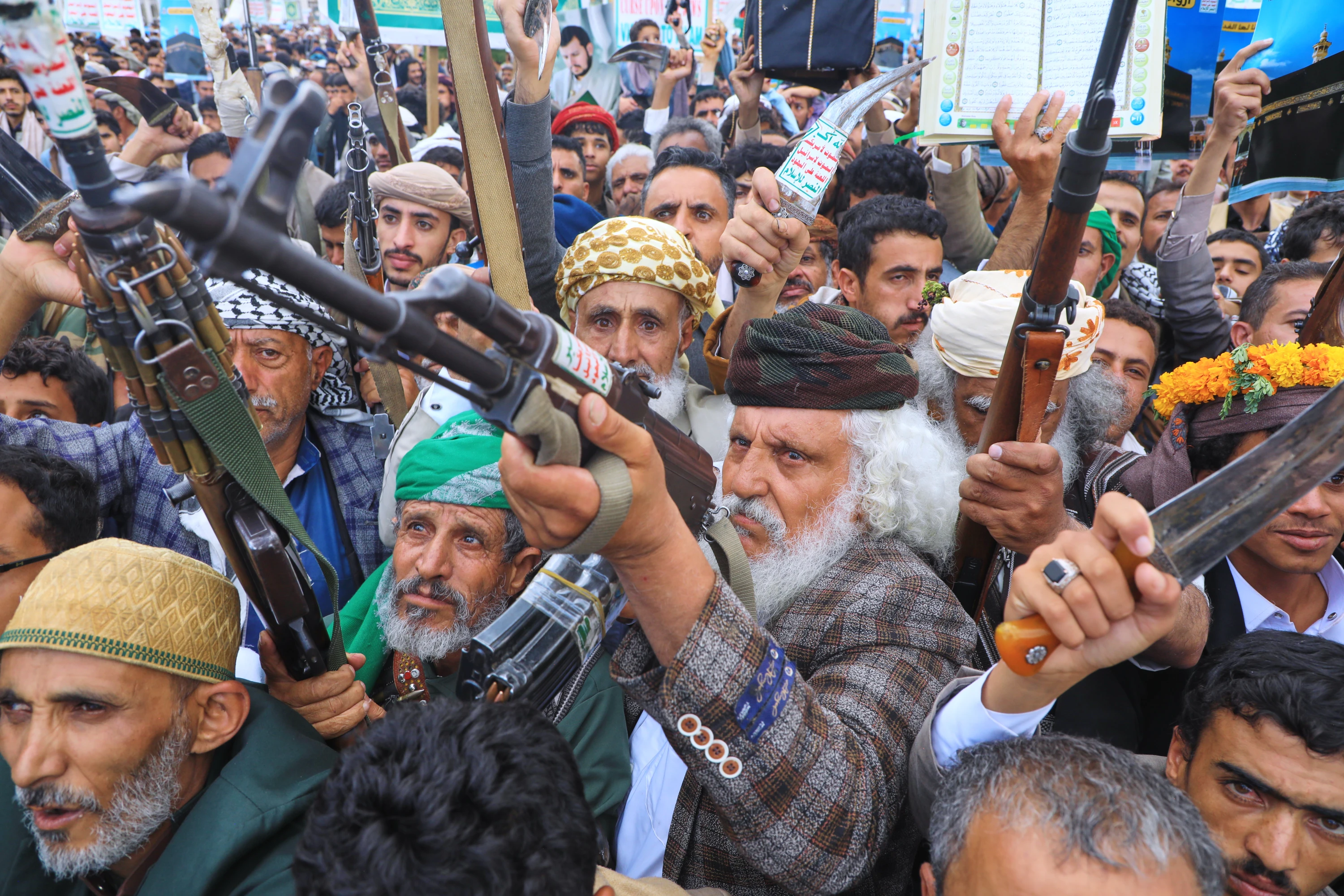
On September 11, Yemen’s Ansar Allah, better known as the Houthis, seized parts of Taiz province and consolidated its control over the Bab al-Mandab Strait, after Saudi-backed Yemeni forces suffered a series of major setbacks along the country’s western coast. The development handed Iran and its regional axis an enormous strategic gain, some sort of an ace card. They can now threaten maritime trade through Bab al-Mandab far more easily and effectively than before.
It is difficult to imagine that an operation of this strategic magnitude occurred without at least Iranian encouragement, guidance, or support, although the Houthis retain their own interests and grievances. Iran has long provided military support to the group, and the two sides share many of the same enemies, strategic objectives, and ideological motivations.
Along with Iran’s leverage over the Strait of Hormuz, albeit incomplete, the Houthi advance means Tehran and its allies now have their hands on two of the world’s most important energy and commercial chokepoints.
The numbers illustrate its significance. In the first half of 2025, around 20.9 million barrels of oil and petroleum products passed through Hormuz every day, while another 4.2 million barrels passed through Bab al-Mandab. Combined, the two waterways carried roughly a quarter of total global oil supply. Hormuz alone also carried more than 20 percent of the global LNG trade.
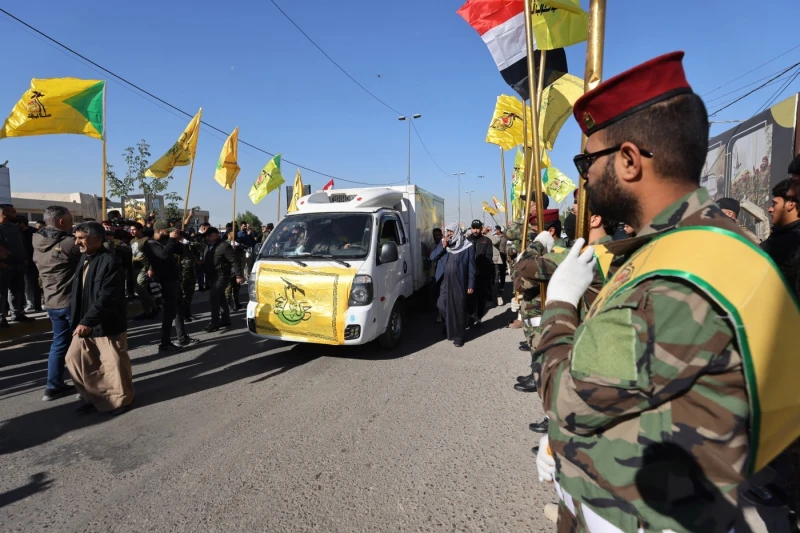
Add to the two-strait strategy the recent attacks by the Houthis and Iraqi Shiite militias on Saudi oil installations and pipelines, and the picture of a calculated campaign of pressure by the Iran-led axis on the world’s energy markets and economy becomes even clearer.
We have reached a stage in the war where direct military confrontation between Iran and the US has largely subsided, at least for now. Rather than immediately reigniting a broad direct confrontation, both sides are reaching deeper into their respective toolkits, increasingly turning to economic pressure to weaken the other.
The economy is Iran’s most potent weapon against the US, just as the Trump administration increasingly sees economic pressure as its main weapon against Iran. President Donald Trump has shown little appetite for prolonged direct military engagement. Washington’s Economic D-Day campaign instead appears designed to severely weaken Iran’s economy, increase pressure on the government, and deepen tensions between the state and society.
The logic seems to be that sustained economic degradation could eventually produce large-scale unrest or gradually erode the regime from within. Even if that does not immediately threaten the government’s survival, prolonged economic deterioration could weaken state institutions, undermine cohesion among the regime’s supporters and armed forces, and ultimately force Tehran to accept American demands. If the regime still refuses to give in, the strategy could prepare the ground for a future knockout blow against an already weakened Iranian state. Variations of this strategy worked against Saddam Hussein’s Iraq between 1991 and 2003 and Bashar al-Assad’s regime in Syria from 2011 to 2024, and the thinking in some powerful quarters in Washington seems to be that it could work against Iran as well.
Iran, however, is showing no sign of surrendering. Quite the opposite. Tehran has continued to play hard, engaging in calculated escalations either directly or through its regional partners/proxies. It sees itself in a difficult predicament and views greater assertiveness as its best bet for getting out of it through some sort of grand settlement with Washington. This assertiveness, however, could prove to be a double-edged sword. Continued Iranian escalation could ultimately harden the resolve of Israel and some Gulf states to work with the US to contain what they see as Tehran’s growing regional threat.
Iran cannot easily impose a decisive military cost on the United States itself. But it can impose economic costs on Washington, and destabilize its key allies in the region. The American political calendar gives such pressure additional significance and amplifies its impact. Rising energy prices can quickly become a domestic political crisis in the US, particularly as elections approach.
This is where the Houthi takeover of Bab al-Mandab becomes particularly important. The Houthis have given the Iran-led regional axis additional leverage over a critical part of the global economy. This can be understood as a form of counter-economic warfare against Washington’s Economic D-Day strategy.
Unless the Houthis are dislodged militarily, there is also little reason for them to voluntarily relinquish such a strategic gain. Control over territory around Bab al-Mandab gives them enormous leverage over Yemen, Saudi Arabia and international shipping. Recent developments have already prompted Saudi Arabia to seek greater American assistance, while Washington has so far stopped short of committing itself to another major military intervention in Yemen.
From Tehran’s perspective, the point is to increase leverage over Washington and its regional allies and strengthen the perception that Washington cannot easily force Iran into submission. Creating such a deadlock could eventually push the US toward loosening its position and accepting negotiations over a broader settlement.
The recent developments also pose a major test for the new regional security architectures that have emerged from the war, particularly arrangements sch the Makkah Pact, which are intended to provide a more organic security framework for a post-American Middle East or a Middle East with reduced US engagement.
As things stand, the two-strait problem could pull Washington into precisely the kind of strategic quagmire it wants to avoid. The US can try to assert its and its allies’ dominance over two global maritime corridors, a herculean undertaking, or find ways to live with the long arms Iran has built across the region.
The two sides are also operating according to different timelines. Tehran’s political system gives it greater insulation from immediate public pressure and potentially greater tolerance for prolonged economic pain, although that endurance is hardly unlimited. Washington is more immediately exposed to domestic political pressures. Energy prices will matter greatly here. If higher oil prices translate into substantially higher prices at American gas pumps, calculations in Washington could begin to change.
This leaves both sides facing an increasingly uncomfortable choice. Tehran and Washington can keep tightening the economic screws, accumulating new points of leverage and risking another round of military escalation. Or they can eventually decide that neither can economically strangle the other without imposing unacceptable costs on itself and its allies.
Iran’s two-strait advantage does not win the war. But it makes winning through economic pressure alone considerably harder for Washington. And that may be precisely the point.
The views expressed in this article are those of the writer and do not necessarily represent the position of The New Region's editorial team.
 Facebook
 LinkedIn
 Telegram
 X
X