
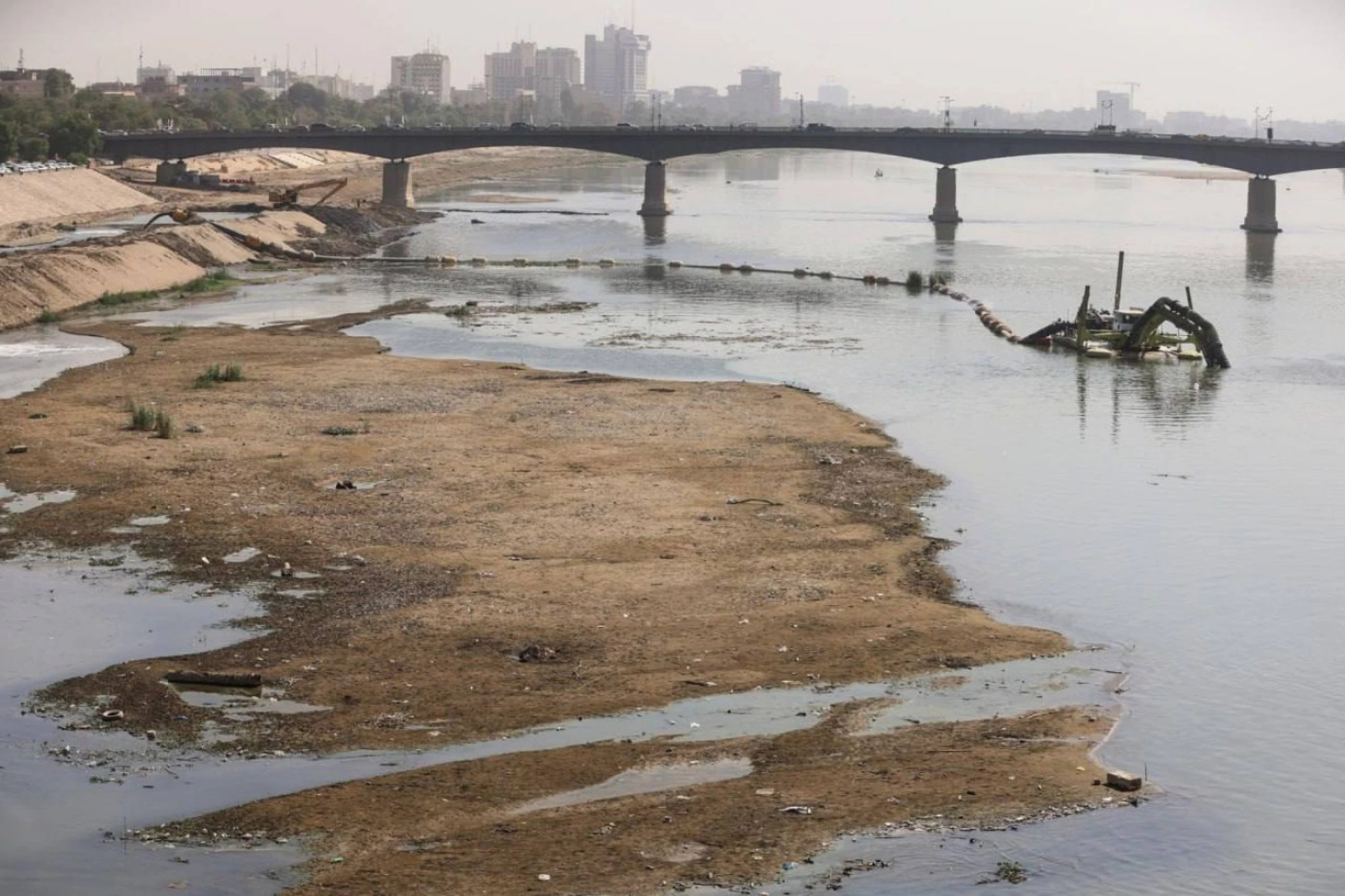
ERBIL, Kurdistan Region of Iraq – Iraq’s famed Tigris and Euphrates rivers need “decisive measures” to save them from mass pollution, the country’s environment minister said on Saturday while marking World Rivers Day, threatening legal action against polluters, “whoever they may be.”
“We reiterate our position clearly: the Tigris and Euphrates are not dumping grounds for waste and polluted water, and protecting them is not an option but a national duty and a responsibility that cannot be postponed,” Minister Srwa Abdulwahid said.
Speaking to The New Region earlier in September, Omar Abdul Latif, a member of the Green Iraq Observatory, blamed public and private hospitals as well as the federal health, agriculture, industry, and electricity ministries for polluting the rivers.
Abdulwahid said her ministry “will continue to monitor and uncover pollution sources and will not hesitate to take legal action against violators, whoever they may be, as the right of Iraqis to clean and safe water is not subject to favoritism or compromises.”
Last week, she warned that the pollution levels are “significant” in the two rivers, adding that Prime Minister Ali al-Zaidi has directed the relevant ministries to set a clear timeframe for addressing the issue.
In June, an environmental monitor warned that aquatic life in the Euphrates River is “not suitable” for human consumption and that the river remains heavily polluted.
It attributed the heavy pollution to several factors, such as hospital waste being discharged directly into the river, invasive aquatic plants, and other growth that have slowed its flow and reduced oxygen levels, harming fish and other aquatic life.
The river also receives large amounts of agricultural wastewater containing chemical fertilizers and salts, as well as sewage water. Some chemical substances in the river have exceeded permitted levels.
 Facebook
 LinkedIn
 Telegram
 X
X