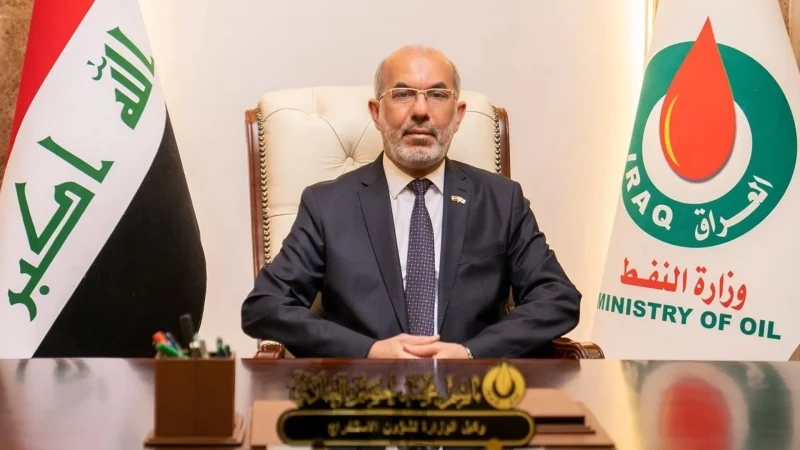

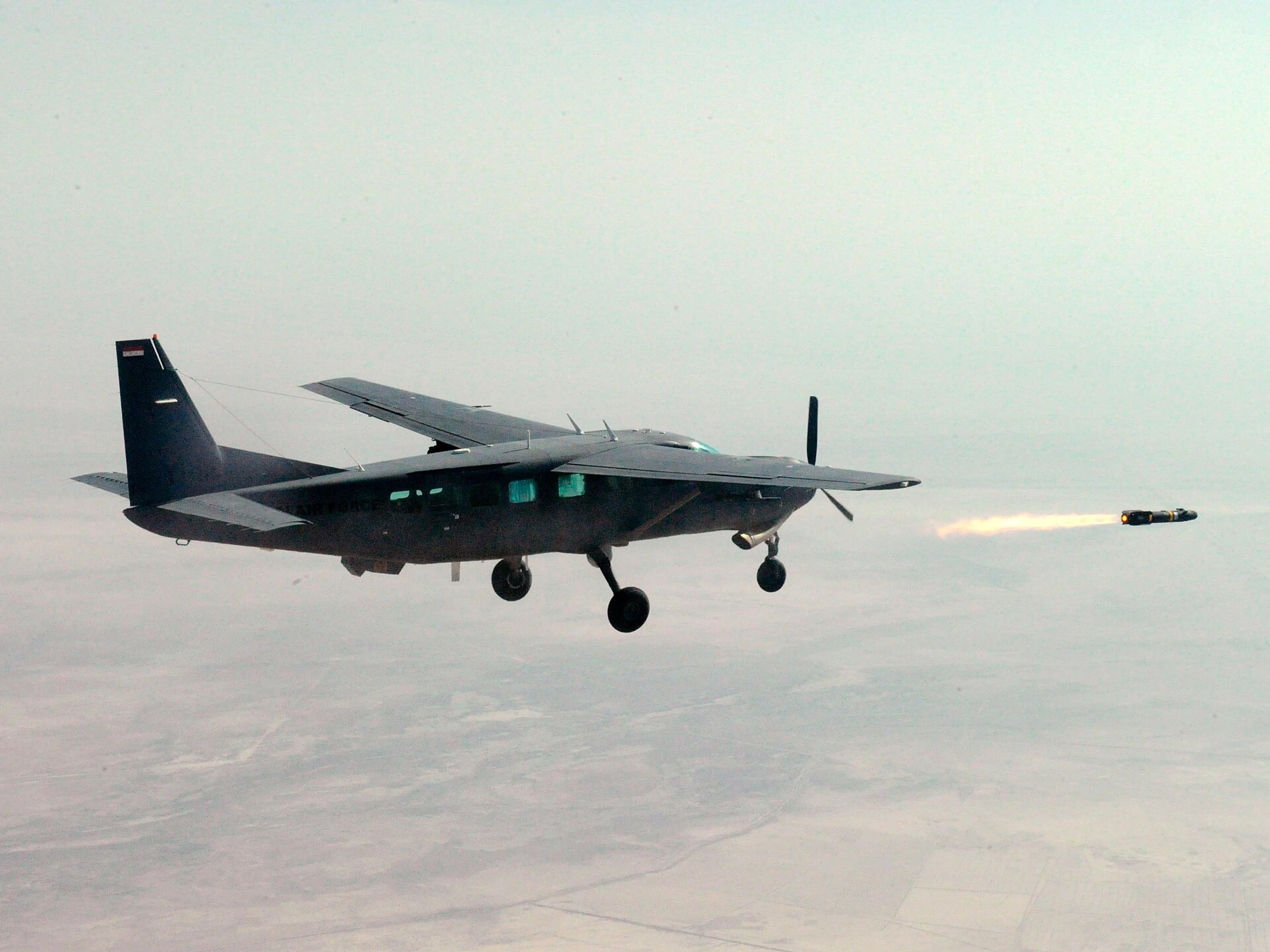
ERBIL, Kurdistan Region of Iraq – The US-led coalition against the Islamic State (ISIS) has not conducted missions in Iraqi airspace since the beginning of the year, an Iraqi air force commander said Monday, as Baghdad prepares to assume full responsibility for protecting its airspace.
Khalid al-Tamimi said “all aerial missions within Iraq are carried out with complete independence from the International Coalition,” adding that the coalition has not carried out any missions in Iraq since the beginning of the year.
“We possess an integrated system to engage hostile targets and protect Iraqi airspace,” he added, noting that Iraqi drones have also replaced coalition aircraft in reconnaissance missions.
The coalition was brought to Iraq in 2014 at Baghdad’s invitation to help repel the ISIS advance across the country. Under an agreement between Washington and Baghdad, the coalition is set to complete its withdrawal from all Iraqi territory by September 30.
Coalition air-defense systems have also helped intercept drones and missiles launched by Iran and its proxies during the current regional conflict, which began in February. As the withdrawal approaches, Baghdad has moved to accelerate efforts to develop its own air-defense capabilities.
Prime Minister Ali al-Zaidi has directed officials to shorten the timeframe for modernizing Iraq’s air-defense capabilities from six years to three.
Turkey and France have agreed to supply Iraq with air defense systems after their governments granted approval, Mahmoud al-Shammari, a member of the Iraqi parliament’s security and defense committee, said on Sunday.
Tamimi said Iraq is also seeking to expand its fleet.
“Iraq is negotiating with other nations to acquire advanced aircraft, including the [French-made Dassault] Rafale,” Tamimi said. “We aim to build a larger air force that holds a distinguished position in the region.”
He added that Iraq is working to domestically manufacture drones and establish a dedicated command for them.
Iraq has also courted other countries, such as South Korea, for air defense systems. In 2024, the country placed an order for eight KM-SAM batteries, a system that made its combat debut in the United Arab Emirates (UAE) in March to intercept Iranian drones and missiles.
In August, Zaidi chaired a meeting of the Air Defense Command to discuss plans to develop its capabilities and contracts with foreign companies to equip it with “advanced specialized systems” and to enhance Iraq's capabilities to monitor and control airspace.
 Facebook
 LinkedIn
 Telegram
 X
X