
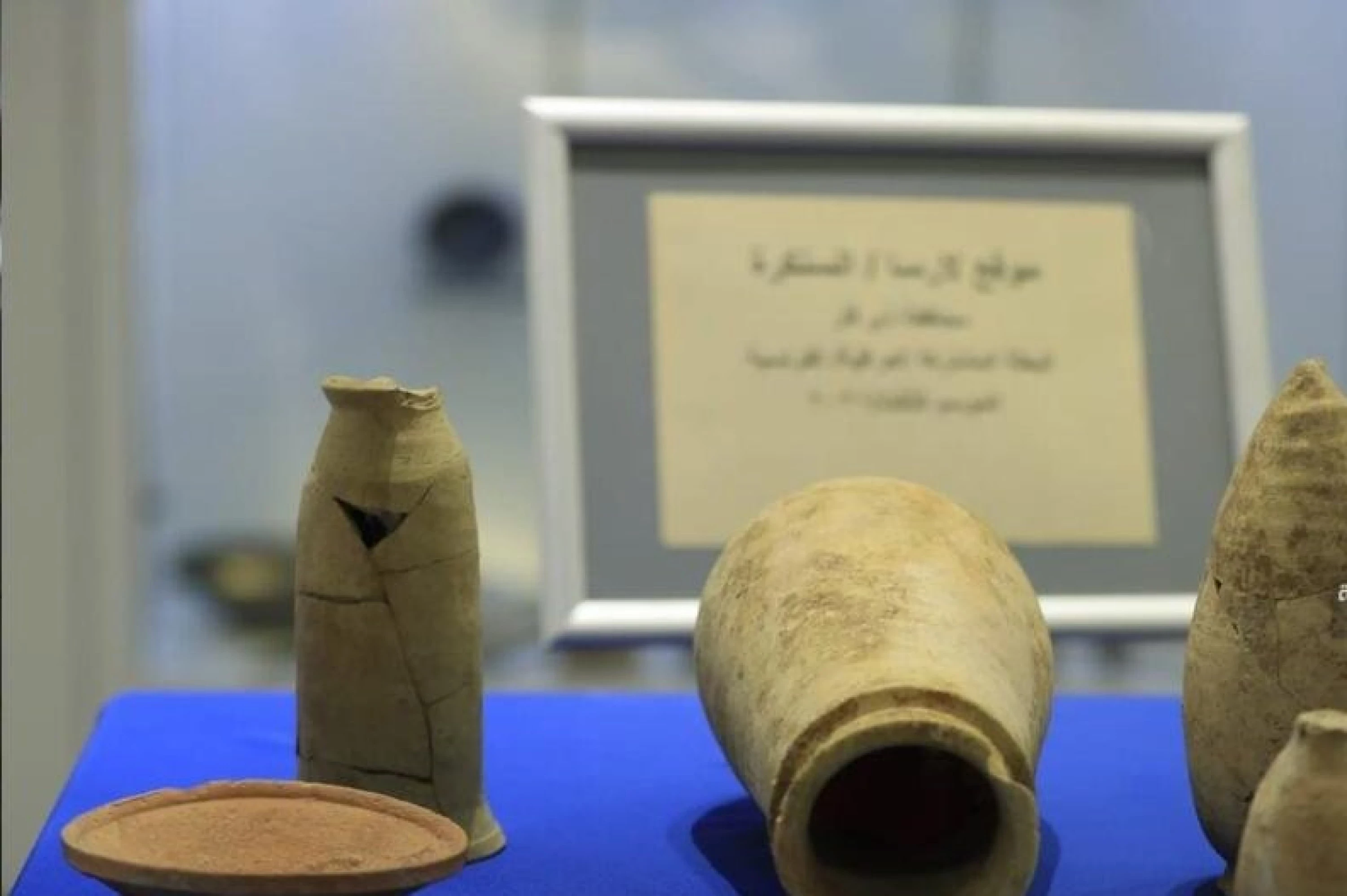
ERBIL, Kurdistan Region of Iraq – Iraq’s justice ministry on Monday announced the recovery of more than 80 smuggled artifacts, as Baghdad continues efforts to reclaim antiquities that have been trafficked abroad.
“These efforts are part of the ministry’s ongoing drive to protect Iraq’s civilizational and cultural heritage and to reclaim its archaeological assets,” read a statement from the justice ministry.
Modern-day Iraq has been home to humans for millennia. The historical region of Mesopotamia, which spans current-day Iraq and parts of Turkey, Iran, Syria, and Kuwait, has given rise to numerous historic civilizations, including those of the Babylonians and Sumerians.
Myriad relics have been discovered by archeologists, with Mesopotamian societies having played a salient role in the development of mathematics, astronomy, and agriculture.
“Such actions contribute to safeguarding the legacy of the Land of the Two Rivers and reclaiming its historical treasures within established legal frameworks,” the justice ministry added.
Iraq recovered approximately 11,000 artifacts in 2024 and 2025, the country’s antiquities and heritage board announced in January, with negotiations ongoing to recover more smuggled relics.
More than 40,000 artifacts belonging to Sumerian and Babylonian civilizations that were smuggled out of the country after the US-led invasion in 2003 have already been recovered from the US, Europe, and several other countries, culture ministry spokesperson Ahmed al-Aliawi told state media in June.
The ministry said its antiquities and assets recovery department continues to manage stolen, illicitly excavated, smuggled, and trafficked relics, in coordination with the foreign ministry, Iraq’s embassy in Washington, as well as other relevant authorities.
Iraqi law classifies antiquities theft as a serious crime. Under the Antiquities and Heritage Law No. 55 of 2002, offenders face prison sentences from seven to 15 years, along with fines up to six times the estimated value of the stolen artifact.
The law imposes a life sentence for individuals responsible for managing or protecting stolen antiquities. If theft involves coercion or armed individuals, the penalty can escalate to death.
 Facebook
 LinkedIn
 Telegram
 X
X