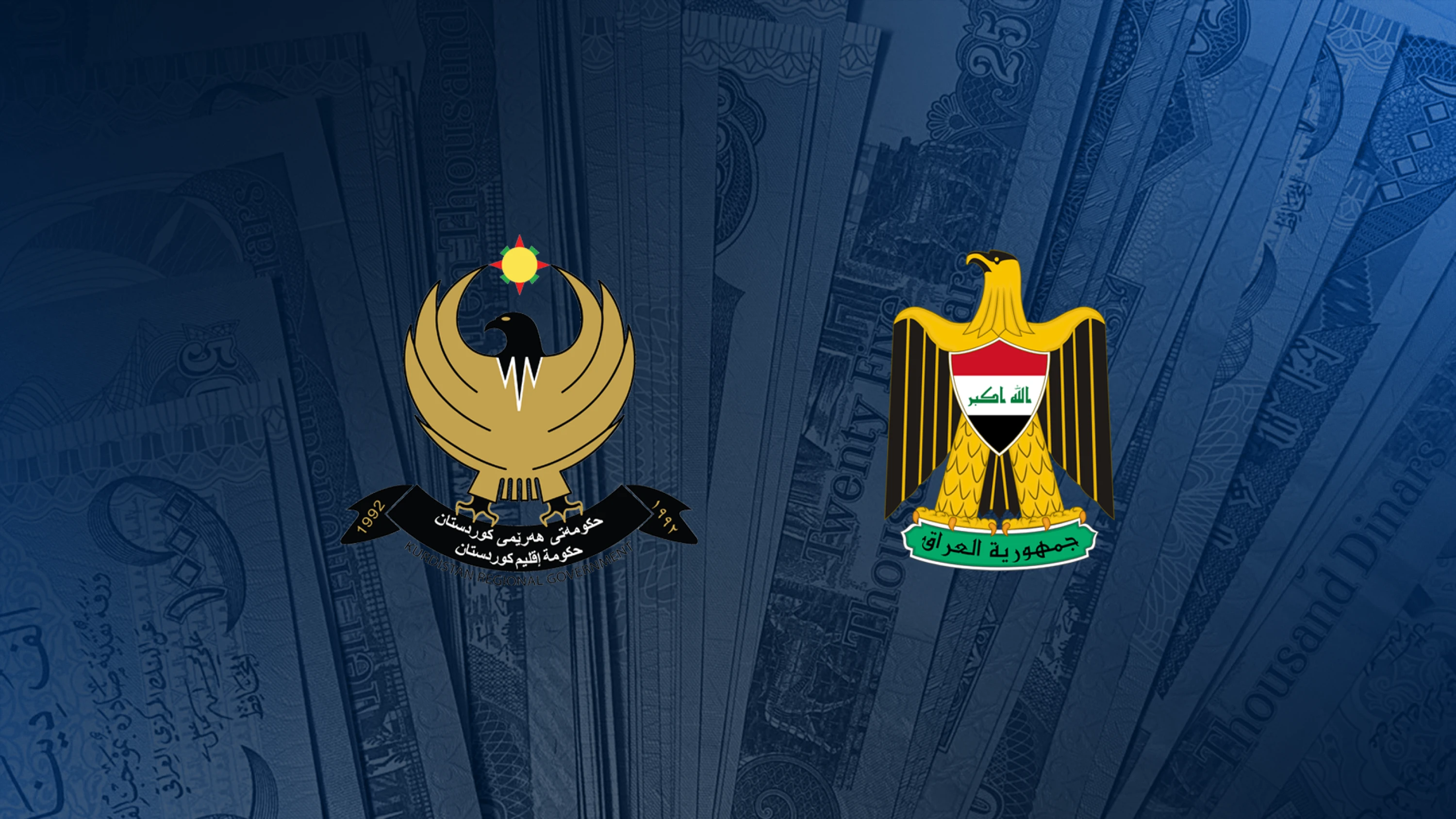
ERBIL, Kurdistan Region of Iraq – Two Kurdistan Regional Government (KRG) delegations are in Baghdad to continue talks with the Iraqi finance ministry on the 2027 federal budget and hand over the list of civil servants' salaries for September, a source said Saturday.
On Tuesday, the KRG demanded that its 14.14 percent population share be used to determine its allocation in Iraq’s 2027 federal budget, accusing Baghdad of lowering the Region’s population percentage in the census through disputed calculations.
A source from Erbil’s finance ministry told The New Region that a delegation arrived in Baghdad and is set to resume talks with Baghdad’s finance ministry on the 2027 budget, aiming to “insist” on the budget share “in line with agreements.”
The KRG on Tuesday said that the federal government has violated several agreements related to the census, including sidelining joint census teams in the Kurdistan Region, manipulating statistics, and rejecting data.
It further accused Baghdad of “illegally lowering the Region's percentage under the pretext of excluding the number of displaced persons and refugees,” and cutting disputed territories from the Kurdistan Region’s census.
In mid-September, Kurdistan Region Prime Minister Masrour Barzani said the Region’s share of federal allocations must be based on its actual population size, which he put at 14.14 percent of Iraq’s total population, arguing that anything below that figure is “unfair”.
Also on Tuesday, Finance Minister Awat Sheikh Janab told The New Region that the Kurdistan Region has not received even seven percent of Iraq’s annual budget in a single year since 2014, despite consistently being allocated 12.67 percent of the total in the budget bills.
According to the source, another delegation in Baghdad is set to hand over the list of civil servant salaries for September.
The Iraqi government’s finance ministry in May decided to suspend funding for the Kurdistan Region’s civil servant salaries, arguing that the Region had already exhausted its share of the annual budget in May.
The two governments have been engaged in numerous meetings since then to address their disagreements over oil exports and domestic revenue.
 Facebook
 LinkedIn
 Telegram
 X
X