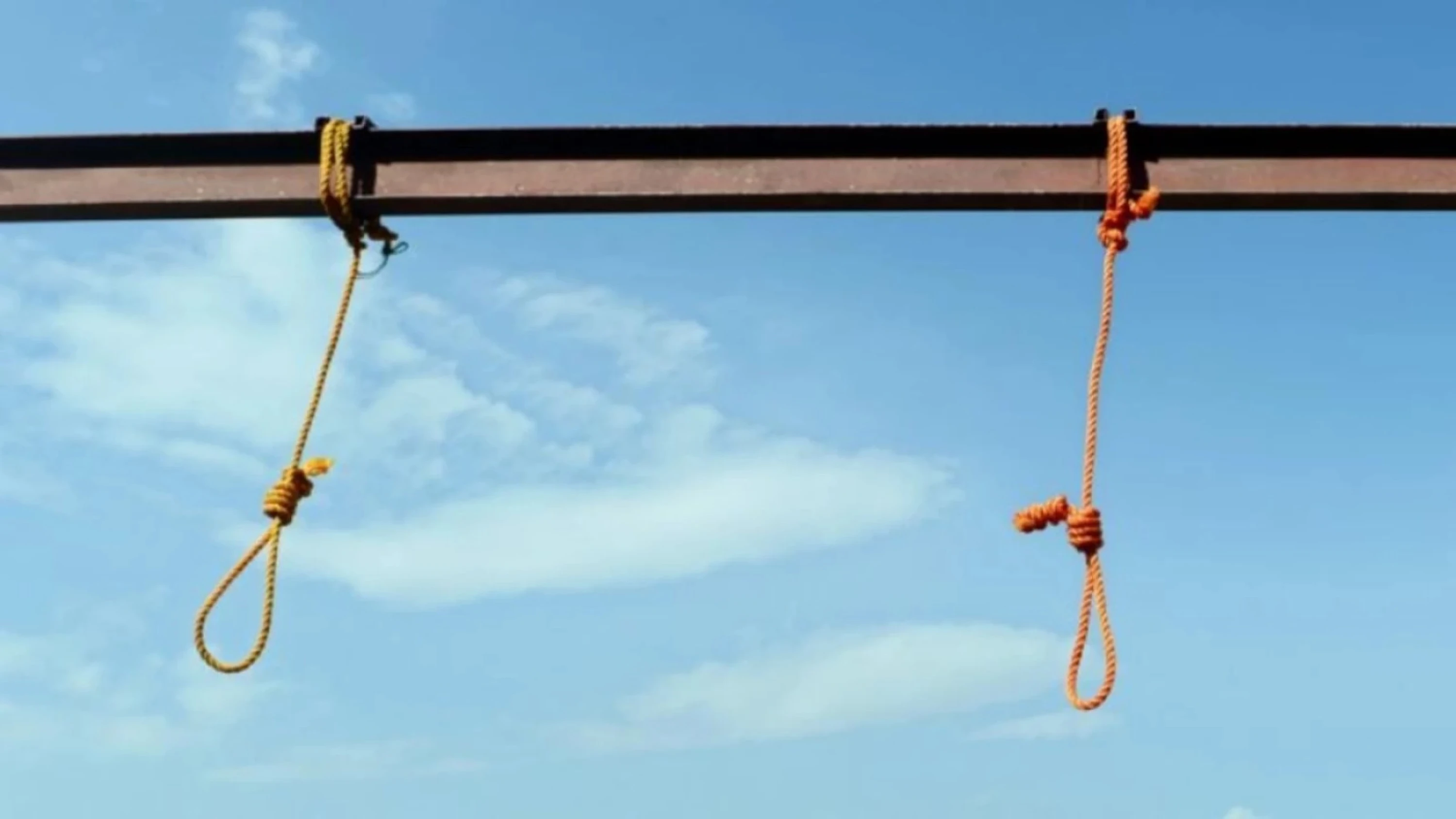
ERBIL, Kurdistan Region of Iraq – A Kurdish citizen from western Iran’s (Rojhelat) Kermanshah was sentenced to death for alleged “collaboration with hostile states” during the country’s nationwide protests in January, a rights monitor said on Tuesday.
“Borzou Rezaei was sentenced to death by Branch 23 of the Tehran Revolutionary Court,” the Oslo-based Hengaw Human Rights Organization said on Tuesday.
The Kurdish citizen from Kermanshah province “was ultimately sentenced to death on the charge of ‘collaboration with hostile states,’” it said, adding that he was arrested during the country’s nationwide January protests in Tehran.
Iran was engulfed in nationwide protests starting late last year, as business owners and shopkeepers at Tehran’s Grand Bazaar went on strike and staged demonstrations over the falling value of the Iranian rial against the US dollar. The unrest later spread to other provinces, with chants increasingly targeting the state.
The protests led to a violent crackdown from Iranian authorities during which tens of thousands of people were killed, injured, or arrested. Dozens have been executed for their alleged involvement in the unrest since.
Rezaei and his lawyer were “recently” informed of the verdict, as the hearing for his case originally took place in early August, Hengaw added.
On Monday, Iran also executed two citizens, Alireza Sepahi and Alireza Raisi, from Isfahan for alleged links to the so-called Alikhani Square case, in which four members of Iranian security forces were killed during the January protests in Isfahan, per the state’s narrative.
State media soon after shared an alleged confession by the two executed individuals, describing them as “armed terrorists.”
Sepahi was scheduled to be executed earlier, but the execution was postponed after he “suffered a heart attack while being taken to the gallows,” Hengaw said.
Iran has a long history of broadcasting alleged confessions from detainees that are widely believed to have been obtained through threats, psychological pressure, and, in some cases, physical torture.
The Islamic republic has ramped up executions since its war with the US and Israel and the nationwide protests.
According to Amnesty International’s 2025 annual report on the use of the death penalty worldwide, global executions have surged to their highest level in over four decades, driven largely by Iran.
The report said Iranian authorities carried out at least 2,159 executions, more than double the previous year and the highest figure recorded in the country in decades. Iran alone accounted for around 80 percent of all recorded executions worldwide.
The US-based Human Rights Activists in Iran (HRANA) reported that it had confirmed the deaths of 6,388 protesters, as well as 236 children, during the period between December 2025 and February 2026.
 Facebook
 LinkedIn
 Telegram
 X
X